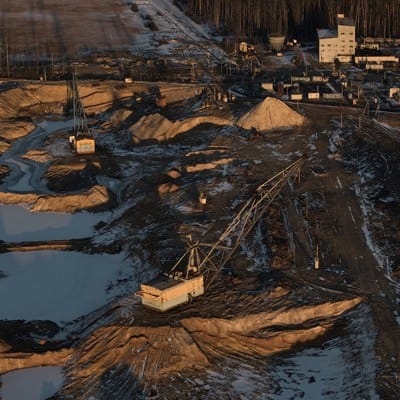
Regional Security Cooperation in Central and Eastern Europe Post-Ukraine Conflict

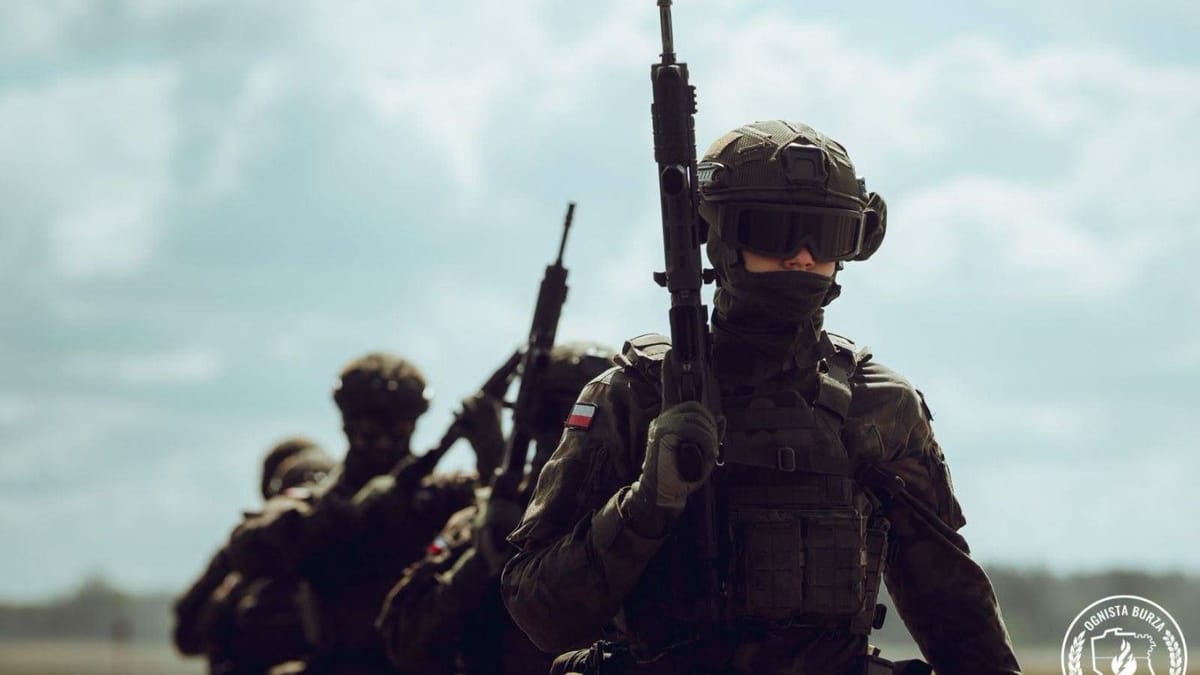
Impact of Russian Aggression on Regional Alliances
Russia's ongoing actions in Ukraine have significantly heightened instability across Central and Eastern Europe. This situation has compelled Western nations to enhance their collaboration in response to the threat posed by Moscow. However, this cooperation remains inconsistent, with varying levels of commitment and coordination among NATO, the European Union, and regional partners.
The future architecture of security in this region hinges on the ability of NATO, the EU, and national defense systems to work effectively together. Political declarations alone are insufficient; tangible, coordinated actions are essential for establishing a robust defense framework. The pressure from Russia has not only reinforced the need for unity among Western allies but has also highlighted the challenges in achieving a cohesive response.
The regional security landscape is evolving, as collective security efforts are tested by external pressures. The extent to which NATO and the EU can align their strategies will dictate the effectiveness of their collective defense measures. As nations in Central and Eastern Europe seek to bolster their defenses, the necessity for a unified approach becomes increasingly critical. This development shifts the burden of security strategies onto regional alliances, compelling them to adapt to the changing geopolitical climate. For countries in this area, failure to establish a coherent and collaborative security framework could leave them vulnerable to further destabilization and aggression from Russia. The implications of these dynamics will be closely monitored as nations navigate the complexities of defense cooperation in a post-conflict environment.
Sources: Defence24, U.S. Senator Ted Budd (.gov), Eurasianet, Ifimes, and Defence24.com
Edited by Daniel Vazdar, Editor. How DEFCROS News reports, sources and corrects.