Rising Tensions: Russia's Military Buildup Near NATO Borders

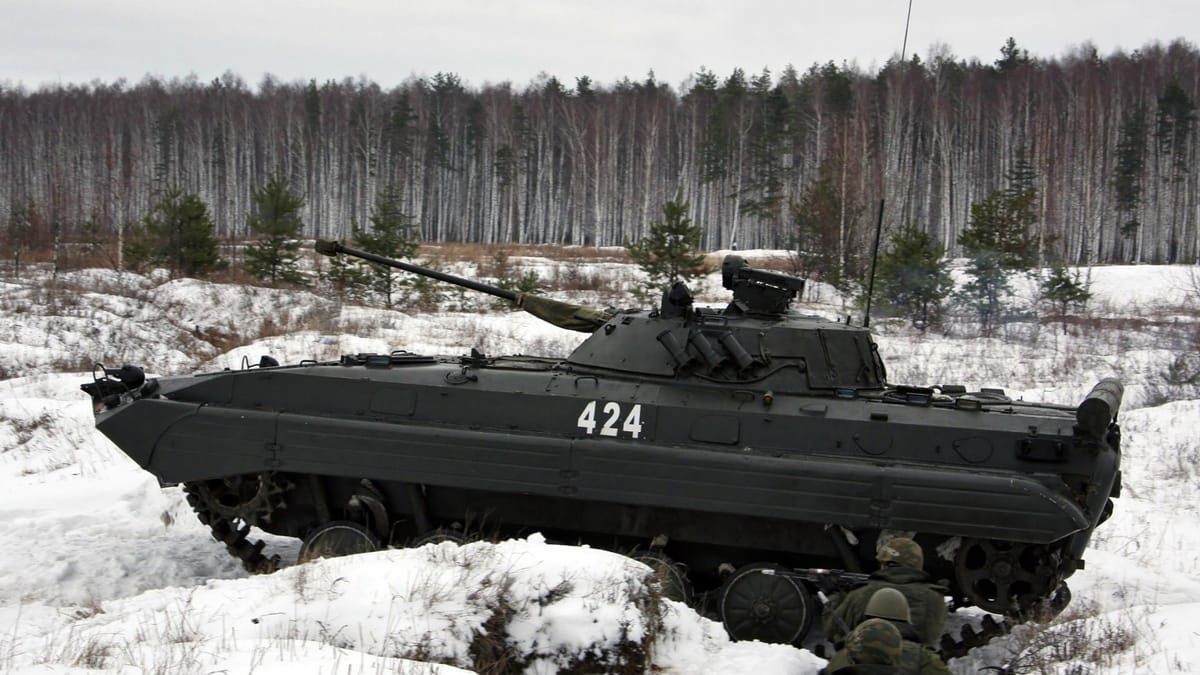
As Russia continues to enhance its military posture along the borders of NATO countries, the potential for conflict escalation looms large. With recent satellite imagery analysis revealing plans for up to 115,000 troops, the implications for NATO cohesion and regional security are significant.
What is Happening?
Russia is actively constructing new bases and modernizing existing military units near NATO borders. According to an analysis by Scandinavian and Estonian media outlets, the Kremlin is preparing to field a formidable force of 115,000 soldiers. This increase in military capability appears to be a methodical response following the ongoing conflict in Ukraine.
The Strategic Calculus
In light of these developments, Sweden has issued a warning regarding the potential for Russia to test NATO's unity. If the timing is deemed favorable by the Kremlin, military advances against NATO countries could occur relatively soon. The following points outline the strategic considerations at play:
- Military Readiness: The establishment of new bases indicates a heightened state of readiness among Russian forces.
- Regional Security Concerns: NATO nations are increasingly wary of a possible Russian incursion, especially given the historical context of regional tensions.
- Political Calculations: The timing of any Russian military action may depend on internal and external political factors.
The situation underscores the importance of remaining vigilant and prepared among NATO allies. Analysts will be closely monitoring Russia's moves in this increasingly volatile environment.
What Comes Next?
The buildup of Russian military capabilities presents a critical juncture for NATO. The implications are far-reaching, as the alliance must balance deterrence with diplomatic engagement. Moving forward, NATO countries will likely enhance their own defensive postures and consider joint exercises to demonstrate solidarity.
This escalation raises the question of how NATO will respond to potential provocations. Will the alliance strengthen its eastern flank, or will it seek dialogue to de-escalate tensions? The answer will shape the security landscape in Europe for years to come.
Sources: Defence24, Thedefensepost, Travel And Tour World, lamilano.it, Nomad Lawyer, and Atlantic Council