Rising Tensions: US Navy Readies Against Iranian Threats

What Happened
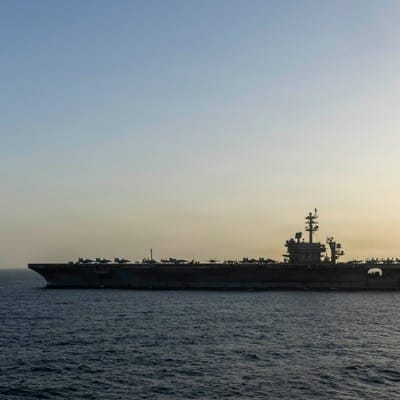
Recently, the U.S. Navy has received orders to adopt a more aggressive stance against Iranian vessels suspected of mine-laying activities in the region. As tensions escalate, U.S. Secretary of Defense Pete Hegseth stated that the Navy has "all the time in the world" to address the growing number of interdicted vessels. This directive comes amid a fragile ceasefire, indicating a shift in the operational posture of U.S. forces in response to potential threats.
The Strategic Calculus
The operational changes reflect a broader strategy aimed at deterring Iranian aggression. The U.S. Navy's readiness to "shoot and kill" if necessary underscores the seriousness with which these threats are viewed. This approach may be seen as a signal to Iran and its proxies that the U.S. will not tolerate hostile maneuvers that could threaten maritime security.
Key elements driving this strategic posture include:
- Increased Iranian maritime activity, particularly involving mine-laying vessels.
- The U.S. military's commitment to ensuring freedom of navigation in vital maritime routes.
- Ongoing assessments of Iranian capabilities and intentions in the region.
Industry Fallout
As the U.S. Navy adapts to these challenges, the discussion surrounding future maritime operations has intensified. Admiral Caudle highlighted recent advancements in naval technology, stating that the recent sinking of an Iranian warship offers "a glimpse of the future force." This perspective suggests a focus on integrating advanced capabilities to enhance operational effectiveness against evolving threats.
The implications of these developments may resonate across defense sectors, fostering innovation and adaptation in naval tactics and technology. Analysts will be closely monitoring how these strategic shifts might influence U.S. naval operations and the broader geopolitical landscape.
In summary, the current U.S. Navy posture reflects a decisive response to Iranian actions while positioning itself for future maritime challenges. The evolving dynamics in this region warrant continuous observation as the U.S. seeks to maintain stability and security at sea.
Sources: Defenseone, gCaptain, MSN, Military.com, and The New York Times