Romania Enhances NATO Black Sea Defense with Major Lynx Acquisition

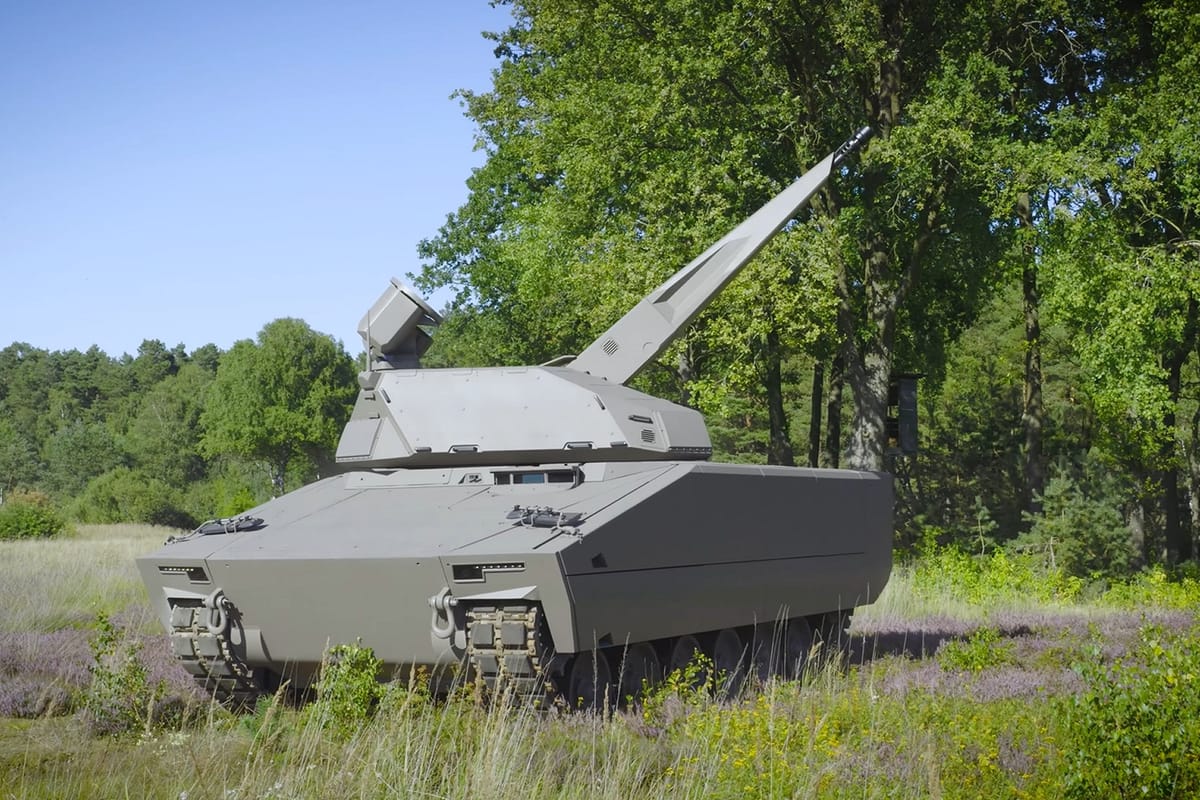
Romania has taken a significant step in modernizing its military capabilities with the announcement of a €5.7 billion contract with Rheinmetall for the acquisition of 298 Lynx KF41 infantry fighting vehicles (IFVs), along with advanced air defense systems and naval vessels. This deal marks Romania's largest modernization program since its entry into NATO and signals a robust commitment to enhancing defense capabilities in the strategically vital Black Sea region.
What happened
The contract, part of the European Union's SAFE program, includes not only the Lynx IFVs but also Lynx-based Skyranger systems designed to bolster counter-drone defenses along NATO's Black Sea flank. The acquisition is expected to provide Romania with enhanced mobility, protection, and firepower, critical for responding to emerging security challenges in the region.
The strategic calculus
Romania’s investment in the Lynx combat vehicles and associated systems reflects a broader strategic imperative to address modern threats, particularly in light of heightened tensions in Eastern Europe. The inclusion of the Skyranger systems emphasizes Romania's focus on counter-drone capabilities, which are increasingly vital in contemporary warfare. Key aspects of this development include:
- Investment in Modernization: The deal is part of a larger effort to modernize Romania's armed forces, aligning with NATO's defense initiatives.
- Strengthening NATO’s Southern Flank: By enhancing air defense and mobility, Romania aims to fortify NATO's presence in the Black Sea region, critical for collective security.
- Response to Regional Threats: The acquisition addresses potential threats posed by unmanned aerial systems and regional instability.
Industry fallout
The procurement from Rheinmetall not only represents a significant contract for the defense industry but also sets a precedent for future collaborations within NATO. This deal may encourage other member states to pursue similar modernization efforts, particularly in light of evolving military dynamics. Analysts will be watching how this acquisition influences Romania's defense posture and its role in NATO’s collective defense strategy.
As Romania moves forward with this substantial investment, the implications for regional security and NATO's operational readiness in the Black Sea will be closely monitored. The commitment to modernize and enhance defense capabilities illustrates Romania's strategic priorities and the importance of maintaining a robust defense posture in response to current and future threats.
Sources: Armyrecognition, Bloomberg.com, biz.liga.net, SPARTANAT.com, and MSN