Russia Enhances Strategic Bomber Protection Amidst Ongoing Conflict

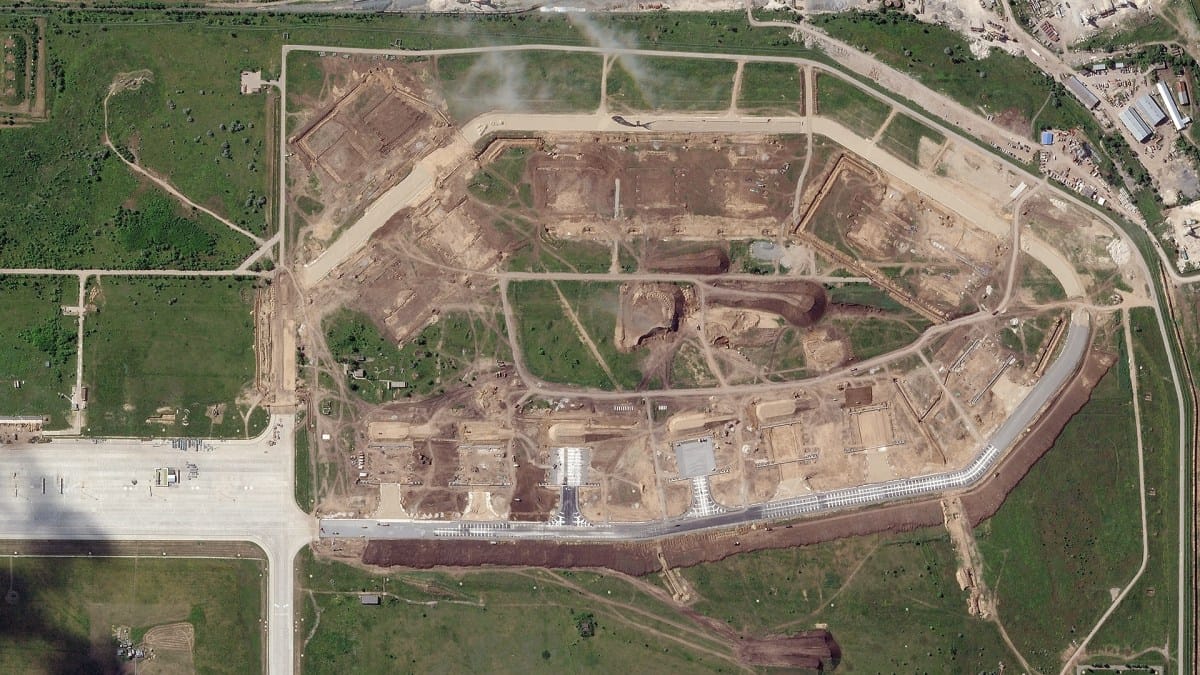
New Developments at Russian Air Base
Recent satellite imagery indicates that Russia is constructing substantial protective shelters for its strategic bombers at a key air base. This marks a significant shift in military doctrine, as historically, these valuable assets have remained vulnerable to attacks, particularly from Ukrainian forces. The ongoing construction highlights Moscow's commitment to fortifying its aviation capabilities as tensions escalate in the region.
The emergence of these shelters is a clear response to the heightened risk posed by the conflict with Ukraine. By investing in the hardening of its bomber fleet, Russia aims to ensure the operational readiness and survivability of its air power. Analysts will be watching how these developments affect the strategic landscape, particularly regarding Russia's air operations and its overall military posture in Eastern Europe.
Protective measures such as these suggest a recalibration of military priorities, focusing on safeguarding critical assets. As the war continues, the potential for increased aerial engagements grows, making the security of air bases more crucial than ever. The construction of these shelters may also signal Russia's anticipation of further Ukrainian offensives targeting its air capabilities, underscoring the evolving nature of the conflict.
Implications for Regional Security
The implications of Russia's enhanced protective measures are significant for regional security dynamics. This development could lead to a more aggressive stance from Moscow, as it seeks to project strength through a fortified air force. Additionally, the presence of hardened shelters may embolden Russia to utilize its bombers more frequently, potentially escalating tensions further.
Overall, the strategic investment in these shelters reflects Russia's desire to mitigate vulnerabilities while enhancing its deterrence capabilities. This raises the question of how Ukraine and its allies will respond to this new phase in the conflict, as they assess the challenges posed by an increasingly protected Russian air force.
Sources: Twz, The War Zone, Homeland Security Today, Atlantic Council, and Carnegie Endowment for International Peace