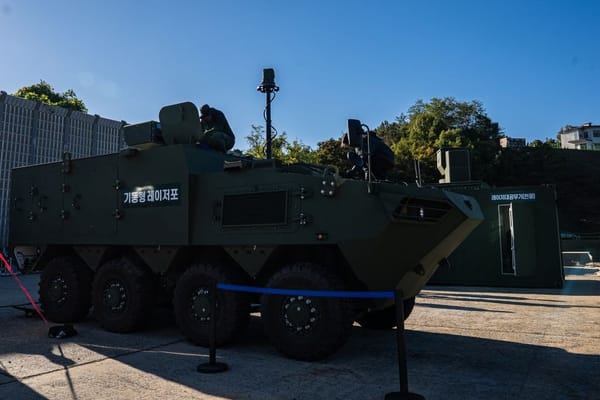
Russia’s Drone Warfare Expands as Countermeasures Emerge

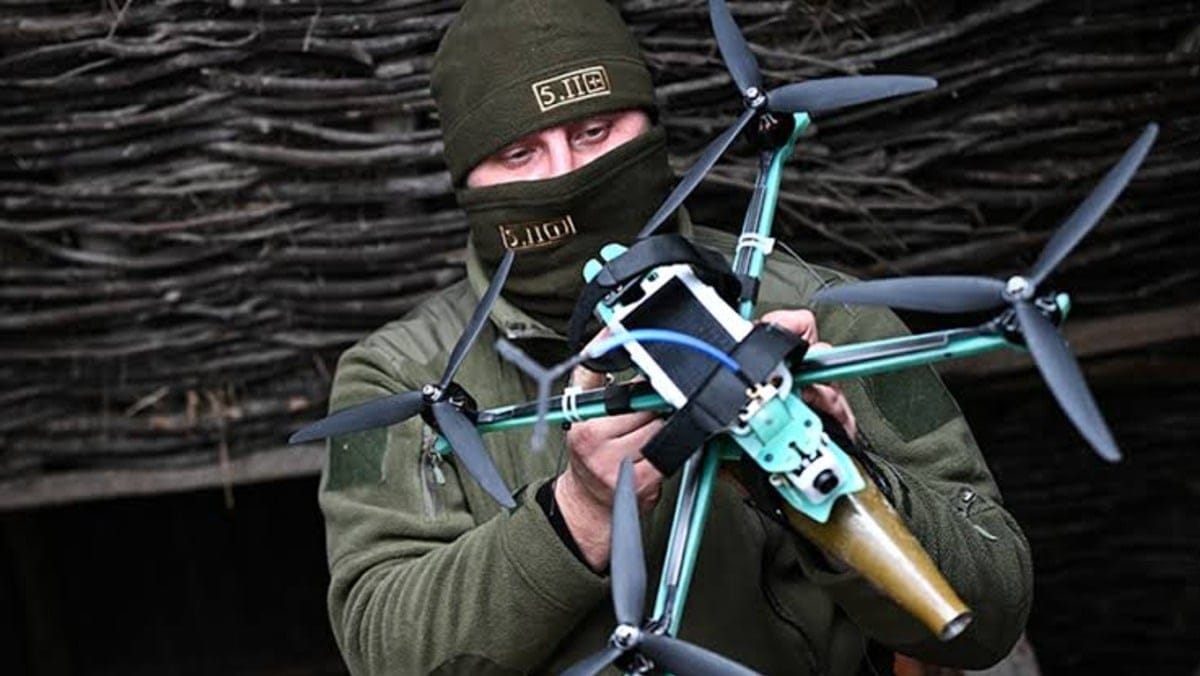
In an ambitious display of drone warfare, Russia's Rubicon Center for Advanced Unmanned Technologies reported the deployment of over 1 million First-Person-View (FPV) drones against Ukrainian targets from January 2025 to August 2026. This extensive use has resulted in strikes on more than 280,000 targets, showcasing a formidable expansion of aerial capabilities amid ongoing conflict.
Enhanced Control with Mesh-Network Technology
Recent developments indicate that Russian forces have significantly increased their operational range for drone strikes. Utilizing mesh-network radios has allowed for better control and coordination of attack drones within Ukrainian airspace. This technology, highlighted by a report from Kyiv-based analytics firm KI Insights, enhances communication capabilities, enabling longer-range missions that were previously unattainable.
Emerging Countermeasures to Drone Dominance
In response to the rising threat of FPV drones, companies are stepping up to develop countermeasures. The California-based firm Mara has secured $7 million in funding to advance its automated counter-UAS system called Spike. This system is designed to engage and neutralize FPV drones effectively and can operate at high speeds of up to 200 km/h.
- Spike aims to provide a robust solution against small, agile drones increasingly used in modern warfare.
- Mara's initiative reflects a growing concern over drone proliferation in combat zones.
As part of its military enhancements, Russia is also constructing a specialized base on the western coast of occupied Crimea. This facility is intended for the storage, launch, and servicing of unmanned surface vessels, which could further diversify its maritime drone capabilities.
Global Responses and Offers
In light of the evolving drone landscape, Russia is actively marketing its Bizon counter-drone system to international partners. Recently, Egypt was approached with this offering following a notable drone strike at its Damietta Port, indicating a proactive stance in enhancing global defense partnerships against UAV threats.
The developments surrounding drone warfare and countermeasures reflect a rapidly changing battlefield dynamic. As both sides adapt to technological advancements, the implications for future conflicts and defense strategies are profound, indicating a continued emphasis on aerial capabilities and counter-drone technologies.
Sources: Defence-Blog, Edrmagazine, Thedefensepost, The Defense Post, Forbes, Gwara Media, and UNITED24 Media
Edited by Daniel Vazdar, Editor. How DEFCROS News reports, sources and corrects.