Russia's Security Demands Challenge European Stability Amid Ongoing Negotiations

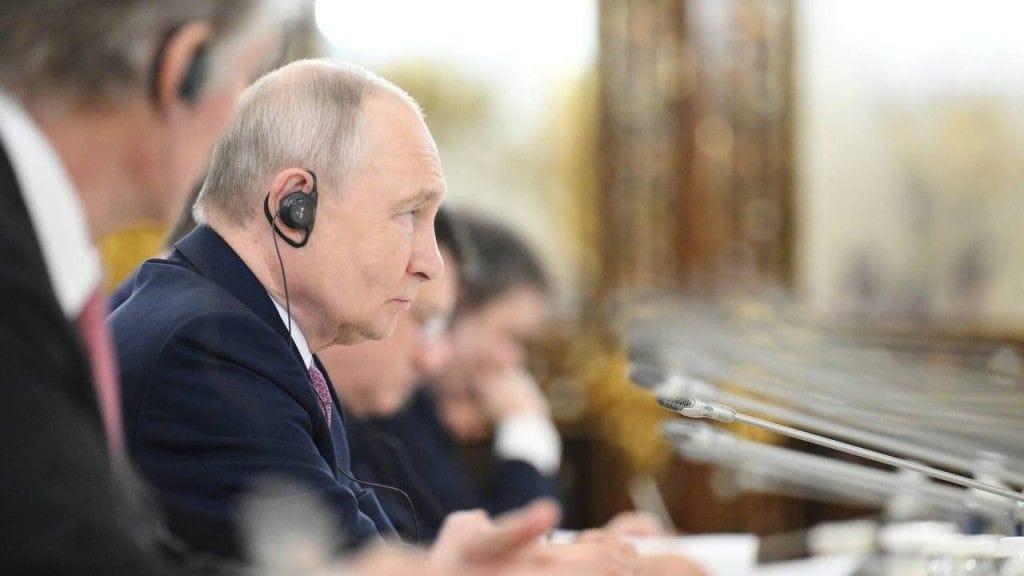
As negotiations over European security intensify, the discourse surrounding a "European security architecture" is gaining traction. The term, which implies a comprehensive framework for regional defense and cooperation, is being employed amidst a backdrop of escalating tensions, particularly related to Russia’s actions in Ukraine.
Russian Strategy: A Diplomatic Trap?
Recent comments from Russian Foreign Minister Sergei Lavrov indicate a firm stance against an immediate ceasefire, suggesting that Russia is leveraging the negotiations to reshape the security landscape in Europe. According to a report in Le Parisien, Lavrov's demands may be part of a broader strategy to ensnare European nations in a "diplomatic trap," complicating their responses and undermining unified action.
- Lavrov's remarks were made during trilateral negotiations in Abu Dhabi on November 10.
- Russia's position appears to be a calculated move to extract concessions from Europe while maintaining its military posture.
- The potential implications for European security dynamics could be significant, as nations may struggle to respond cohesively to these demands.
U.S. Involvement: Kushner's European Security Initiative
Simultaneously, Jared Kushner, a leading U.S. negotiator and son-in-law of President Donald Trump, announced on November 5 that the United States is working on a broader European security architecture. This initiative aims to mediate and resolve the ongoing conflict in Ukraine, while also addressing the shifting dynamics caused by Russia's aggressive posturing.
However, Kushner's proposal faces a critical challenge: the perception that it may inadvertently align with Russia's agenda, potentially complicating U.S. relations with European allies. As negotiations progress, the following points are crucial:
- The U.S. must navigate the thin line between supporting European security and not reinforcing Russia’s influence.
- European nations may have differing views on how to respond to Kushner’s initiative, which could slow down consensus-building.
- The efficacy of the proposed security architecture will depend on its ability to address both Russian aggression and the security concerns of European nations.
The return of the term "European security architecture" to the debate reflects a heightened urgency among nations to reassess their defense strategies in light of ongoing threats. The complexities introduced by Russia's actions and the U.S.'s involvement underscore the need for careful diplomatic navigation as Europe seeks to bolster its security framework.
As discussions evolve, the outcomes will significantly influence not only regional stability but also the broader geopolitical landscape.
Sources: Defence24, CNN, CBS News, The New York Times, and PBS
Edited by Daniel Vazdar, Editor. How DEFCROS News reports, sources and corrects.