Russia's Strategic Maneuvers in Central and Eastern Europe: A Dual Threat of Aggression and Information Warfare


Russia's efforts to reestablish its influence in Central and Eastern Europe pose significant challenges to regional stability and the broader international order. Through both aggressive military posturing and a sophisticated campaign of information and cyber warfare, Russia aims to destabilize neighboring states while expanding its political reach.
The Dual Strategy of Destabilization
Russia's overarching strategy can be characterized by two main approaches: military aggression and information warfare. The Kremlin seeks to rebuild its Soviet sphere of influence, utilizing historical narratives and moral justifications to cloak its territorial ambitions. This strategy not only threatens the sovereignty of individual nations but also undermines the stability of the entire region.
Key components of Russia's approach include:
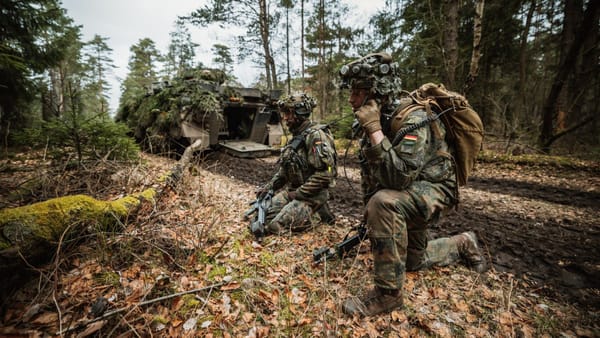
- Military Aggression: Ongoing military activities and threats serve as a tool to intimidate and destabilize Central and Eastern European nations.
- Information Warfare: A systematic campaign aimed at influencing public opinion and political landscapes within these states.
These combined tactics reveal a concerted effort by Russia to exert control over its neighbors, fostering an environment of uncertainty and fear.
Cyber and Information Warfare: A Growing Concern
In addition to its military strategies, Russia has escalated its cyber and information warfare tactics against Central and Eastern European countries. This campaign focuses on:
- Disinformation campaigns designed to manipulate perceptions and sow discord among populations.
- Cyberattacks targeting critical infrastructure, government institutions, and private sectors to disrupt economic stability.
- Efforts to expand political influence by supporting sympathetic political movements and parties within these nations.
Such actions aim not only to destabilize these countries internally but also to enhance Russia's political leverage across the region. Analysts are increasingly concerned about the implications of this dual threat on national security and regional alliances.
The Bigger Picture: Implications for Regional Security
The implications of Russia's strategies extend far beyond individual nations. As it seeks to extend its influence, the threat to the international order becomes more pronounced. The situation calls for a robust response from Western allies and regional partners to counteract these aggressive tactics. Potential responses could include:
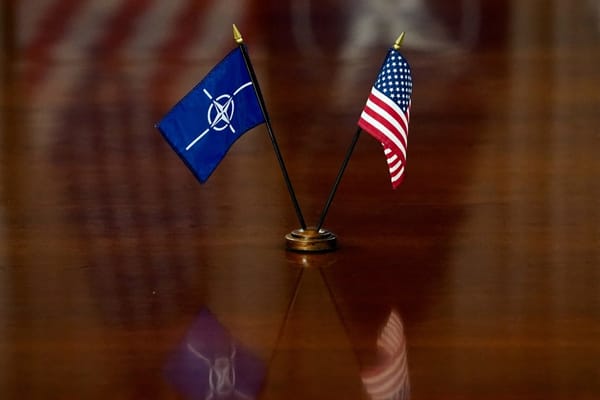
- Increased military collaboration among NATO allies to deter Russian aggression.
- Strengthened cybersecurity measures and information-sharing protocols among Central and Eastern European states.
- Support for democratic institutions and media literacy initiatives to combat disinformation.
As Russia continues its campaign of destabilization and influence, it remains crucial for defense professionals to monitor developments closely, assessing both immediate threats and long-term strategic implications.
Sources: Defence24, Atlantic Council, consilium.europa.eu, Center for European Policy Analysis (CEPA), and DGAP