Secretary of State Rubio Open to Engagement with Russia and China

Diplomatic Outreach in a Complex Landscape
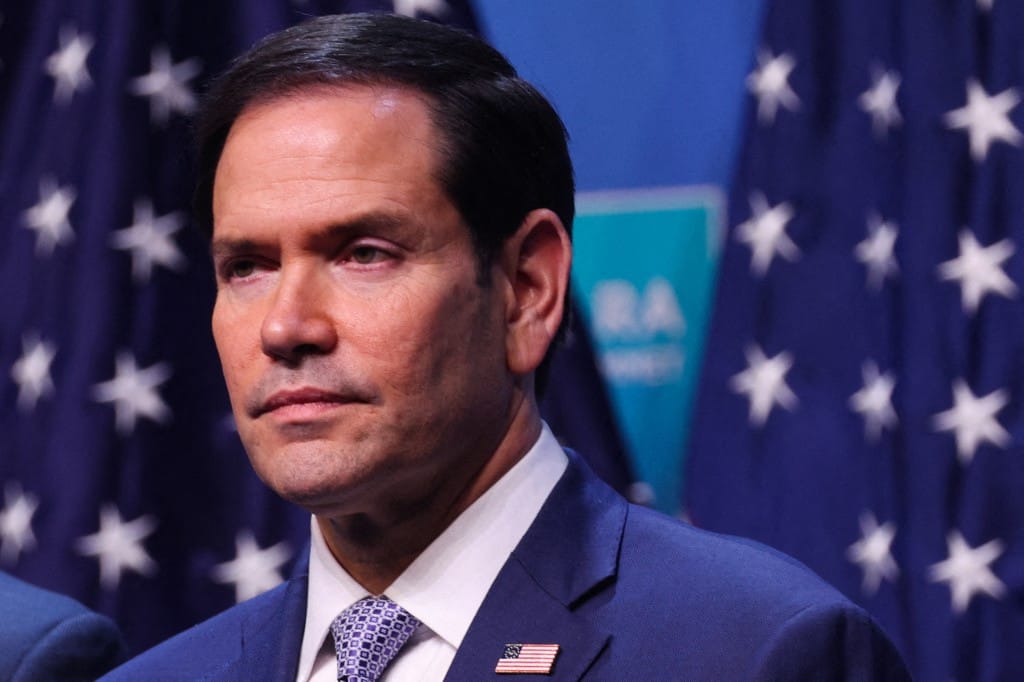
During a recent visit to the Philippines, US Secretary of State Marco Rubio expressed his willingness to meet with counterparts from China and Russia. This statement came as part of his broader diplomatic engagement strategy aimed at addressing various geopolitical challenges faced by the United States in the Indo-Pacific region.
Rubio's openness to dialogue with both nations is significant, particularly in light of the ongoing tensions surrounding territorial disputes in the South China Sea and the broader implications of Russian aggression in Europe. The Philippines, a key US ally, plays a critical role in the regional balance of power. By considering meetings with Chinese and Russian officials, Rubio signals a potential shift towards more direct engagement, which could shape future US foreign policy in Asia and beyond.
Implications for US Foreign Policy
This approach raises important questions regarding the strategic priorities of the current administration. Engaging with China and Russia could lead to negotiations on issues such as trade, security, and climate change, but it also risks legitimizing their actions on the global stage. As Rubio explores these diplomatic avenues, the impact on US alliances and partnerships in the region will be closely scrutinized.
Furthermore, analysts will be watching how these discussions may influence the dynamics of US-China relations, particularly in terms of military posturing and economic competition. The potential for dialogue could either alleviate tensions or exacerbate existing conflicts, depending on the outcomes of any meetings held. The situation underscores the intricate balance the US must maintain as it navigates multifaceted relationships with global powers.
Sources: Thedefensepost, ABS-CBN, Reuters, Japan Today, and pna.gov.ph