Secretary of State Rubio Questions NATO's Relevance Amidst Operation Epic Fury

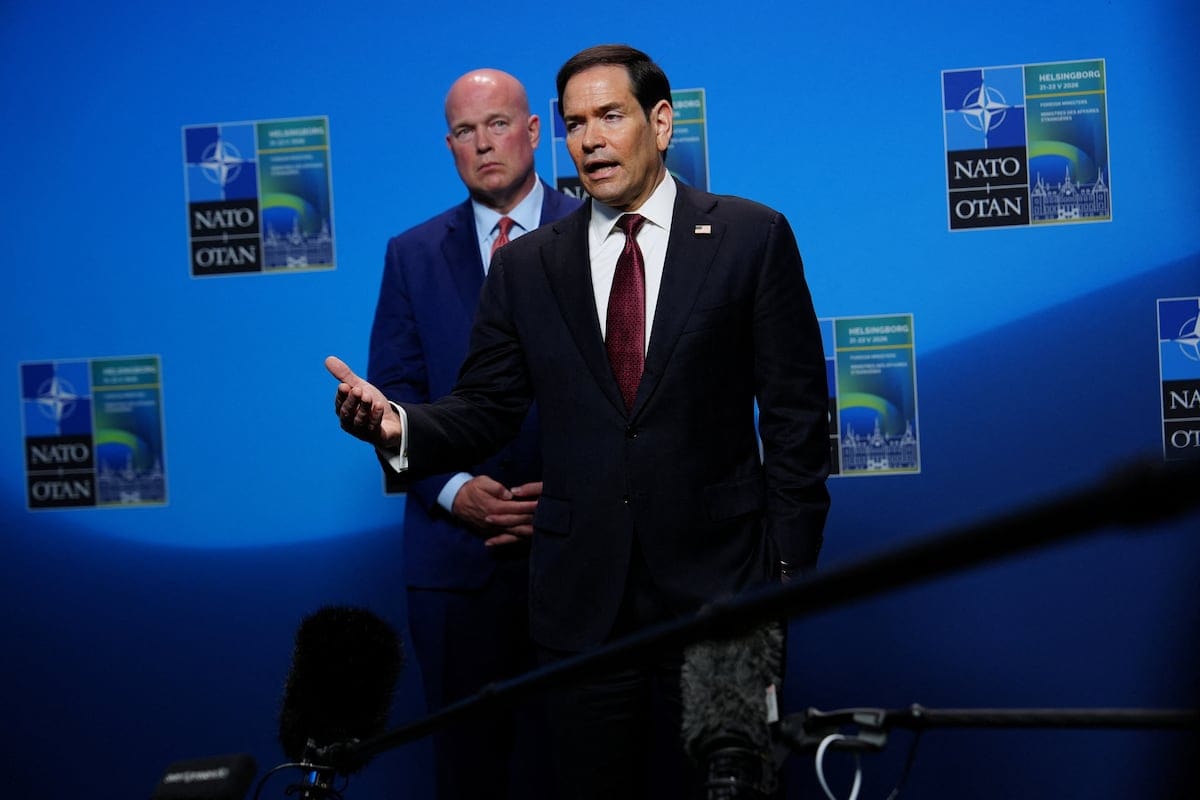
Context of NATO's Current Standing
At a recent summit, Secretary of State Marco Rubio expressed growing concerns regarding NATO's effectiveness, particularly in light of key allies' hesitance to support Washington’s initiative, “Operation Epic Fury.” This initiative aims to bolster defense postures in Europe amidst escalating tensions, yet the lack of unanimous backing raises significant questions about the alliance’s unity and operational capabilities.
Rubio's remarks come at a crucial time when NATO members are expected to present a united front in the face of multifaceted global threats. The reluctance of NATO allies to align fully with U.S. strategic objectives may signal deeper issues within the alliance, including differing national priorities and varying threat perceptions among member states. As NATO continues to navigate complex geopolitical landscapes, the pressure on the organization to adapt and respond effectively is mounting.
Implications for Future U.S. Foreign Policy
The implications of these developments are profound. If NATO's cohesion continues to wane, the U.S. may need to reassess its military commitments and broader foreign policy strategies. This raises the question of how the U.S. will balance its defense obligations with the evolving dynamics within NATO. Analysts will be watching closely to see if this pressure leads to a reevaluation of NATO's strategic objectives or if it prompts member nations to seek alternative security arrangements.
Furthermore, the ongoing dialogue around NATO's relevance underscores a potential shift in the global security architecture, as nations may begin to look beyond traditional alliances for security solutions. The challenge for U.S. leadership will be to reinforce commitments to NATO while addressing the concerns raised by allies, ensuring that the alliance remains a pivotal player in global security.
Sources: Defensenews, Federal Times, ABC News - Breaking News, Latest News and Videos, The Jerusalem Post, and The Hill