Section 702 on the Brink as ODNI Appointment Sparks Controversy

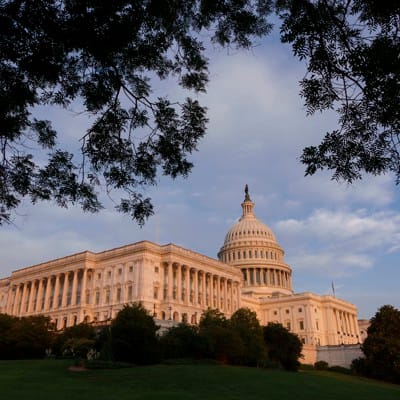
House Vote Signals Uncertainty for Section 702
In a significant legislative move, the House has voted to advance discussions that threaten the future of Section 702, a key provision of the Foreign Intelligence Surveillance Act. The urgency surrounding this issue has intensified following President Trump’s nomination of Jay Clayton as the Director of National Intelligence (ODNI). This development comes amid Democratic concerns regarding the potential appointment of Bill Pulte as acting spy chief, with calls for assurances that he will not assume this role.
The implications of this House vote are profound, as Section 702 is critical for U.S. intelligence operations, allowing agencies to collect foreign intelligence data. With the provision potentially lapsing, national security experts are raising alarms about the risks this poses to ongoing surveillance activities. The conflict over the ODNI appointment reflects deeper partisan divides in Congress, particularly regarding oversight of intelligence operations and the balance of power within the administration.
Political Tensions and National Security
Democratic leaders are pushing for clarity on the future of the intelligence community's leadership, particularly in the context of President Trump’s administration. The insistence on a commitment against appointing Pulte as acting spy chief underscores the level of distrust toward the current administration's handling of intelligence matters. As these dynamics unfold, lawmakers are faced with the challenge of addressing both the operational needs of intelligence agencies and the political realities that influence their oversight.
This situation raises critical questions about the future of intelligence surveillance in the U.S. The potential lapse of Section 702 could hinder the capabilities of intelligence agencies to monitor foreign threats effectively. Furthermore, the ongoing debate over leadership appointments in the intelligence community could have long-lasting impacts on the operational integrity and public confidence in U.S. intelligence efforts.
Sources: Defenseone, CNBC, NBC News, HousingWire, and USA Today