Senators Propose New Combatant Command Focused on Robot Warfare

Legislative Proposal for a Robotic Warfare Command
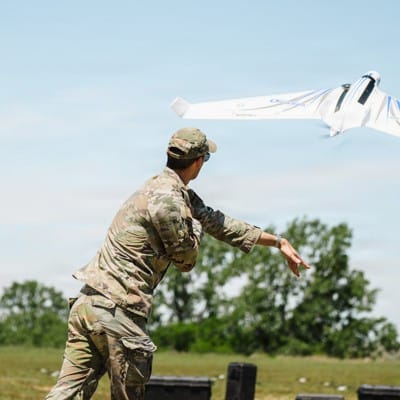
In a significant development, members of the Senate are advocating for the establishment of a new combatant command specifically focused on robotic warfare. This proposal is part of the Senate Armed Services Committee's (SASC) version of the National Defense Authorization Act (NDAA), which, if enacted, would see a four-star general at the helm of this initiative aimed at integrating advanced robotic systems into military operations.
This proposed command reflects an increasing recognition of robotics as a critical component of modern warfare. As military technologies evolve, the integration of autonomous systems into combat operations becomes more vital. The establishment of a dedicated command underscores the necessity for an organized and strategic approach to the deployment and management of these technologies. Analysts are likely to scrutinize the implications of this move, particularly regarding how it shapes operational readiness and the U.S. military's ability to adapt to emerging threats.
Why it Matters
The creation of a command focused specifically on robotic warfare could have profound implications for future U.S. military strategy. By centralizing efforts around robotic systems, the military may improve its operational effectiveness and technological edge. Furthermore, this initiative may signal to both allies and adversaries the U.S. commitment to advancing its capabilities in autonomous warfare. As global military dynamics continue to shift, the focus on robotic warfare could redefine engagement strategies and defense postures moving forward.
Sources: Defenseone, DefenseScoop, Stars and Stripes, Air & Space Forces Magazine, and Politico