Shift in U.S. Diplomacy: Vacant Ambassadorial Posts Under President Trump

Current Status of U.S. Diplomatic Representation
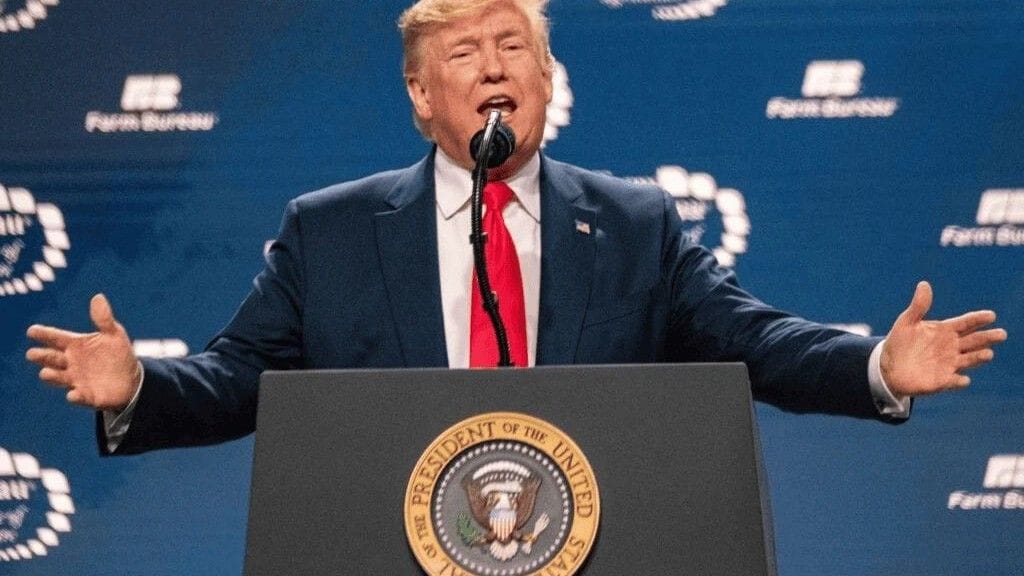
Under President Trump, the United States is experiencing a significant shift in its diplomatic landscape, characterized by over one hundred vacant ambassadorial posts. As of now, this vacancy is not solely the result of delays in nominations; it points to a broader trend where foreign policy is increasingly centralized within the White House. The role of ambassadors appears to be intentionally diminished, raising questions about the future of U.S. diplomacy.
Implications of an Empty Diplomatic Corps
The ongoing vacancies highlight a strategic move away from traditional diplomatic practices. Ambassadors typically serve as critical links between the American government and foreign nations, facilitating communication and fostering international relations. With many of these positions unfilled, the capacity to engage with foreign governments and address global challenges may be compromised. This situation may lead to reduced influence in international negotiations and a potential erosion of alliances that rely on personal relationships established through diplomatic channels.
This raises the question of how the United States will navigate complex global issues without a fully staffed diplomatic corps. As the administration prioritizes direct communication from the White House, analysts will be watching for potential impacts on U.S. foreign relations, particularly in regions where established ambassadors have historically played crucial roles. The implications of this shift could affect not just immediate diplomatic engagements but also long-term strategic interests.
Understanding the consequences of this diplomatic approach is essential for defense professionals as they assess future U.S. foreign policy and its ramifications on global security. The current trend could signal a new era in U.S. diplomacy that prioritizes executive decision-making over traditional ambassadorial influence.
Sources: Defence24, Defence24.com, Reuters, The Independent, and WSJ