SOCOM’s Strategic Embrace of AI and Autonomy

Enhancing Operational Capabilities
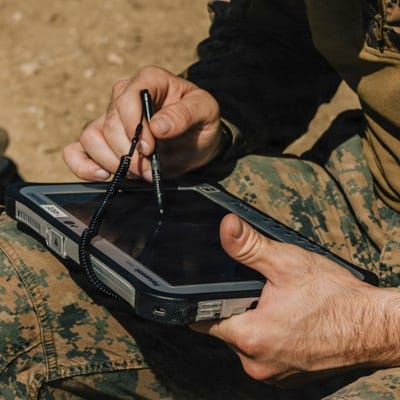
U.S. Special Operations Command (SOCOM) is advancing its integration of artificial intelligence (AI) and autonomous systems across all operational levels, as emphasized by its leadership. This initiative is part of SOCOM's strategy to leverage disruptive technologies to enhance mission effectiveness and operational agility in an increasingly complex security environment. The focus on AI and autonomy represents a significant shift in how special operations may conduct their missions, potentially allowing for faster decision-making and improved situational awareness.
The command's rapid adoption of these technologies highlights a broader trend among smaller military organizations that are often more nimble in embracing new tools compared to larger, traditional structures. This agility in technology adoption could enable SOCOM to maintain a tactical edge over adversaries who may be slower to adapt. The emphasis on AI and autonomy could streamline operations, reduce human error, and increase the efficiency of resource allocation in high-stakes situations.
Implications for Future Operations
The implications of SOCOM's focus on AI and autonomy are profound. As these technologies become more integrated into operational frameworks, there will be significant shifts in training, strategy, and execution of missions. This raises the question of how these advancements will impact the traditional roles of operators and decision-makers within SOCOM. Furthermore, the command's adoption of cutting-edge tech may influence its collaboration with other branches of the military and allied forces, promoting a cohesive approach to modern warfare.
As SOCOM continues to explore these advancements, defense professionals will be closely monitoring the effectiveness of AI and autonomy in real-world applications. The command's proactive stance could serve as a model for other military organizations to follow, illustrating the necessity of innovation in maintaining operational readiness and superiority.
Sources: Defenseone, Defense One, DefenseScoop, Klover.ai, and Combating Terrorism Center at West Point