Solomon Islands to Facilitate U.S. Coast Guard Patrols in Territorial Waters

Strategic Partnership Strengthens Regional Security
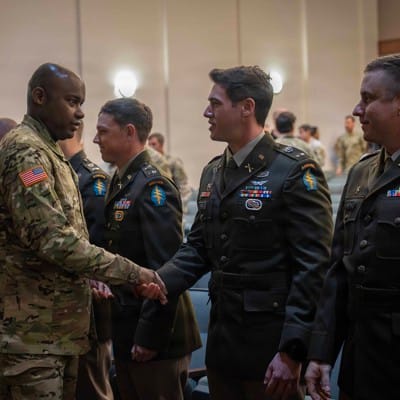
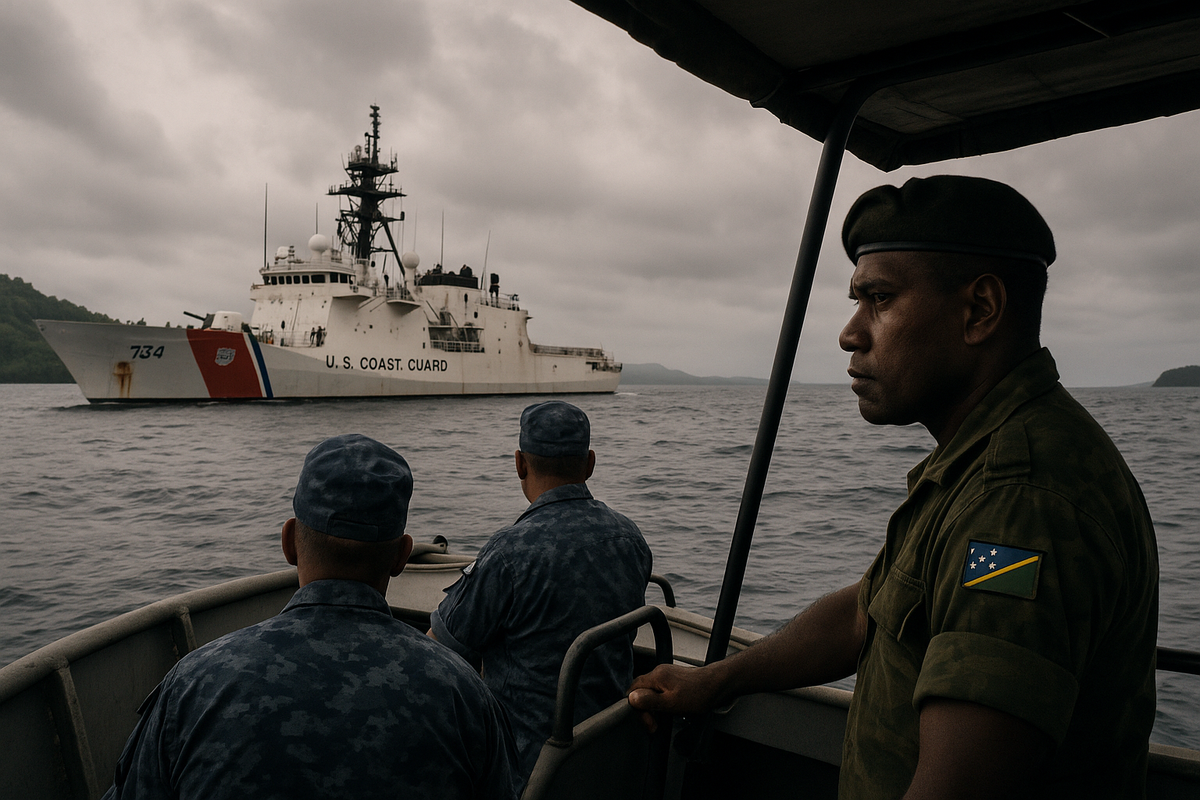
In a significant move, the Solomon Islands will formalize an agreement allowing the U.S. Coast Guard to conduct patrols in its waters, accompanied by local police. This announcement was made by Prime Minister Matthew Wale during his recent visit to Washington, highlighting the growing cooperation between the Solomon Islands and the United States.
This agreement represents a strategic shift in how the Solomon Islands are approaching regional security. The decision comes amidst increasing concerns over China's influence in the Pacific, as the Solomon Islands have been viewed as a potential ally of Beijing. By inviting U.S. Coast Guard patrols, the Solomon Islands are not only bolstering their maritime security but also sending a clear message about their alignment with U.S. interests in countering authoritarian influence in the region.
Implications for U.S.-China Relations
As the U.S. deepens its ties with the Solomon Islands, the implications for U.S.-China relations may become more pronounced. This partnership could be interpreted as a direct challenge to China's growing presence in the Pacific, particularly following reports of increased military cooperation between Beijing and the Solomon Islands. Additionally, the involvement of the U.S. Coast Guard suggests a commitment to ensuring freedom of navigation and maintaining stability in a region that is of increasing strategic importance to both superpowers.
Why it matters: The agreement not only enhances the security capabilities of the Solomon Islands but also signifies a broader U.S. strategy to counteract Chinese influence in the Pacific. Analysts will be watching how this development affects regional dynamics, especially in light of potential retaliatory actions from China and the responses of other Pacific nations to this new bilateral cooperation.
Sources: Thedefensepost, The Heritage Foundation, Irregular Warfare Initiative, Council on Foreign Relations, and The International Institute for Strategic Studies