South Caucasus Security Dynamics Shift Amid Russian Influence and Frozen Conflicts

Changing Perspectives on Regional Security
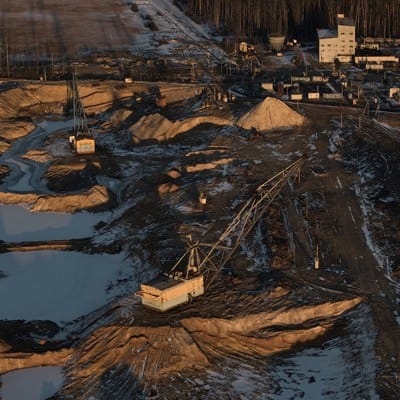
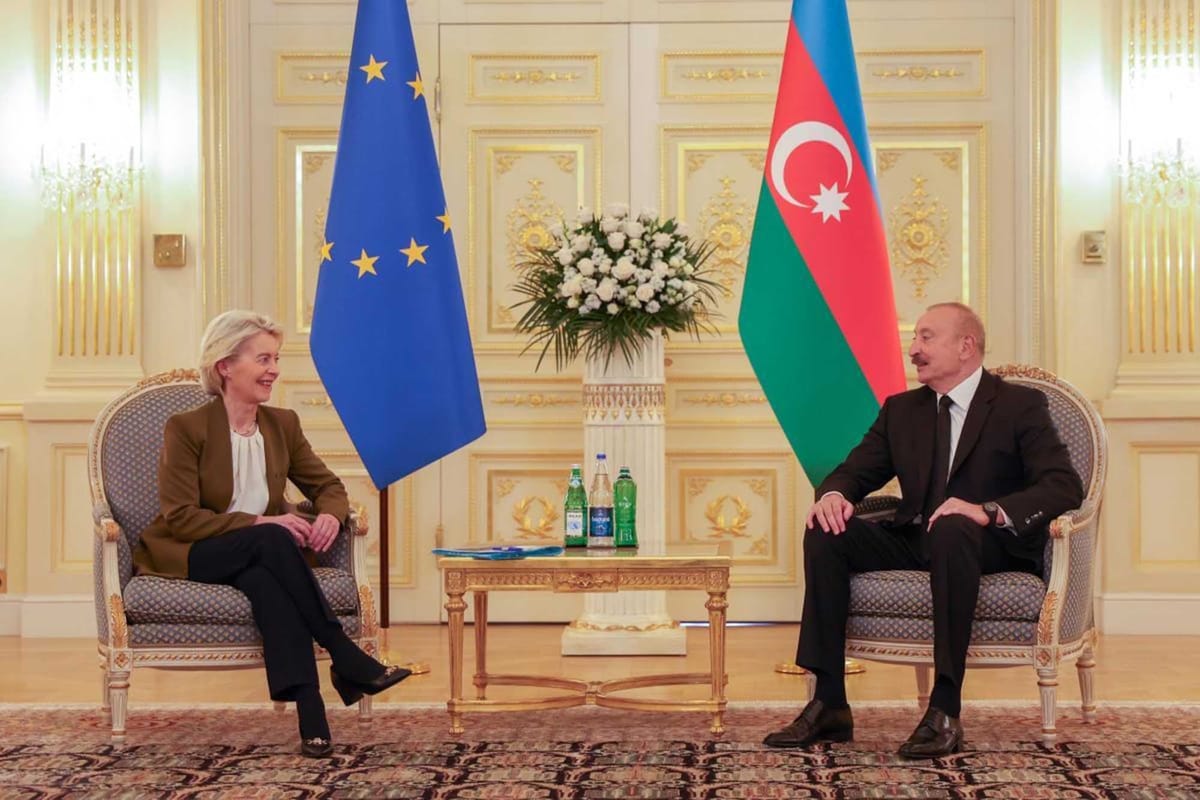
The South Caucasus region has traditionally been viewed through a narrow security lens, dominated by Russian influence and energy vulnerabilities. Long-standing instability is fueled by the unresolved “frozen conflicts” of Nagorno-Karabakh, Abkhazia, and South Ossetia, which have created a complex geopolitical environment that continues to threaten regional stability. The current dynamics in this area are prompting a re-evaluation of security strategies not only by local governments but also by international stakeholders.
Historical conflicts and Russia's enduring presence have shaped the geopolitical landscape, leading to a perception that the region is primarily a battleground for external powers. This narrow view may hinder effective policy formulation and conflict resolution strategies. As nations within the South Caucasus seek to assert greater independence and explore new alliances, there is potential for shifts that could redefine the existing power balance. The evolving situation underscores the necessity for a more comprehensive approach to regional security that accounts for both internal and external factors.
Such developments could have significant implications for energy security in Europe, where the region is seen as a critical transit point. A more stable South Caucasus may enhance energy diversification for Europe, reducing reliance on Russian supplies. Conversely, persistent instability could further embroil the region in conflict, affecting not just local actors but also broader international interests.
Sources: Euro-Sd, European Security & Defence, Eurasia Review, Latest news from Azerbaijan, and SpecialEurasia
Edited by Daniel Vazdar, Editor. How DEFCROS News reports, sources and corrects.