South Korea's Peace Efforts Continue Amid North Korea's Constitutional Changes

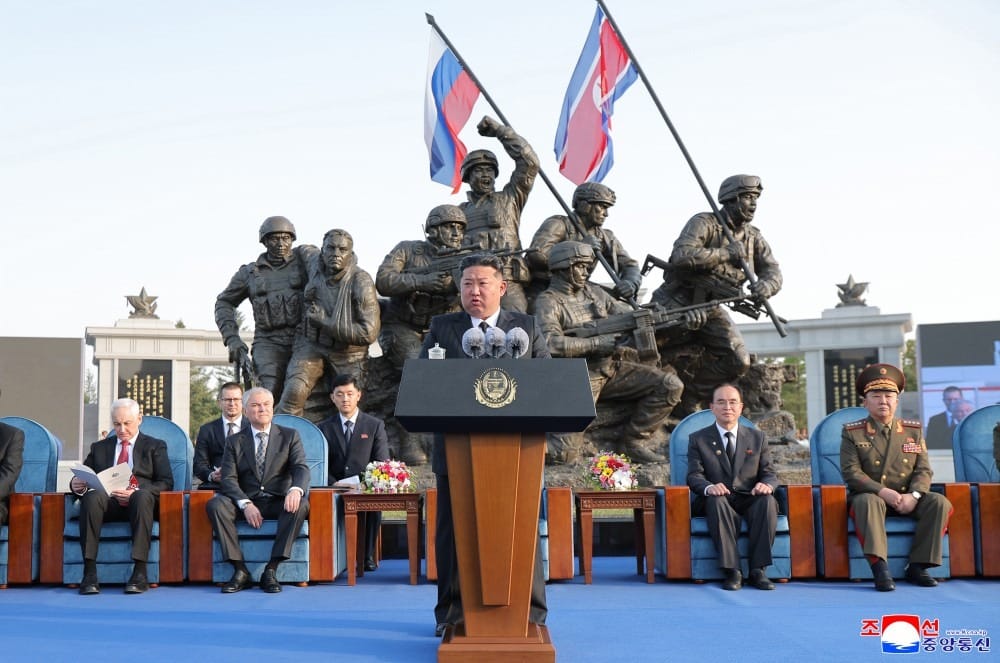
Background on North Korea's Constitutional Revision
In a significant shift, North Korea has revised its constitution to eliminate all references to the objective of uniting the Korean Peninsula. This change has raised concerns about the North's commitment to diplomatic engagement and the prospect of future reconciliation with South Korea. Despite this development, South Korea has expressed its intent to continue pursuing peace initiatives in the region.
South Korea's Response and Strategic Implications
South Korea’s government has signaled that it will not be deterred by North Korea's constitutional changes. The emphasis on ongoing peace efforts suggests a strategic commitment to dialogue and potential engagement with the North, regardless of the latter's increasing militarization and isolationist policies. This approach may reflect a broader strategy aimed at stabilizing relations and mitigating tensions on the peninsula.
The South Korean stance raises questions about the effectiveness of its peace initiatives in light of North Korea's recent actions. Analysts will be watching how South Korea balances its diplomatic efforts with the need for readiness against potential provocations from the North. The implications of this constitutional amendment may extend beyond immediate diplomatic relations, potentially affecting military readiness and regional alliances.
Why it matters:
The ongoing commitment to peace by South Korea, even in the face of North Korea's hardened stance, highlights the complexities of inter-Korean relations. As tensions simmer, the South's approach could influence regional security dynamics, particularly in relation to the United States and its allies. The South Korean government’s strategy may also set the tone for future negotiations, potentially impacting the broader geopolitical landscape in East Asia.
Sources: Thedefensepost, NK News, The Standard (HK), The Korea Herald, and The Straits Times