
SpaceX Secures $4B Contract to Enhance Aircraft-Tracking Satellite Deployment

Strategic Partnership with the U.S. Space Force
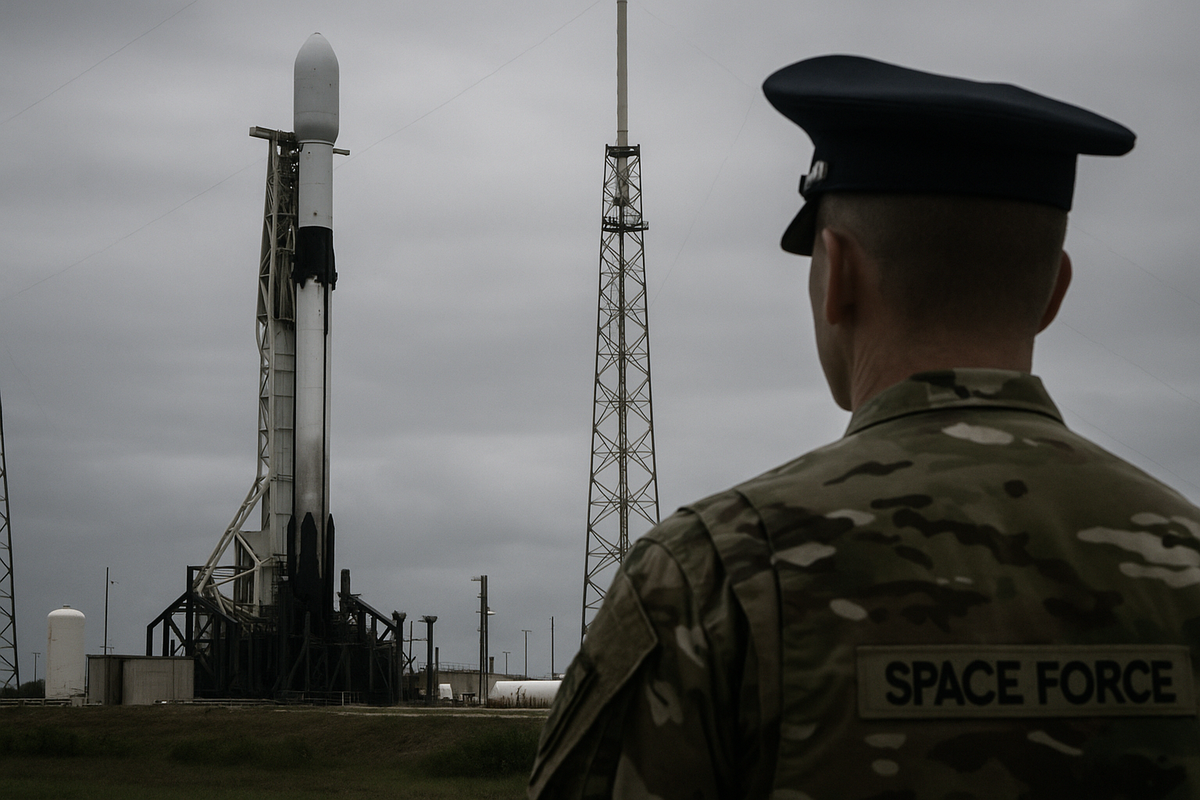
The U.S. Space Force has recently awarded a significant multibillion-dollar contract to SpaceX aimed at accelerating the deployment of advanced satellites designed to track moving aircraft, drones, and cruise missiles. This contract, valued at $4 billion, was announced on Friday by the service’s acquisition arm, marking a notable investment in enhancing national security capabilities through technological advancement.
Context and Implications
This partnership underscores a growing reliance on private aerospace companies for national defense initiatives. SpaceX's expertise in rapid satellite deployment and its proven track record in the aerospace sector position it as a critical player in the U.S. military's modernization efforts. The ability to track airborne threats in real-time will significantly enhance situational awareness and combat readiness for U.S. forces.
As military operations increasingly depend on satellite technology, the implications of this contract extend beyond immediate tactical advantages. The integration of advanced tracking systems will likely improve response times to aerial threats and contribute to a comprehensive defense network that includes both manned and unmanned systems. Furthermore, this deal raises questions about the future role of private companies in defense procurement and the potential acceleration of similar contracts across the industry.
Why it matters: The investment in satellite technology is crucial as global threats evolve, particularly with the rise in drone warfare and missile technology. The implication is that the U.S. is strategically positioning itself to maintain superiority in aerospace capabilities. Analysts will be watching how this partnership develops and its effects on overall military readiness and response strategies in an era of increasingly sophisticated aerial threats.
Sources: Defensescoop, SpaceNews, Seeking Alpha, and Teslarati