Stalemate in Iran Negotiations: Insights from President Trump's China Visit

Current Dynamics of US-Iran Relations
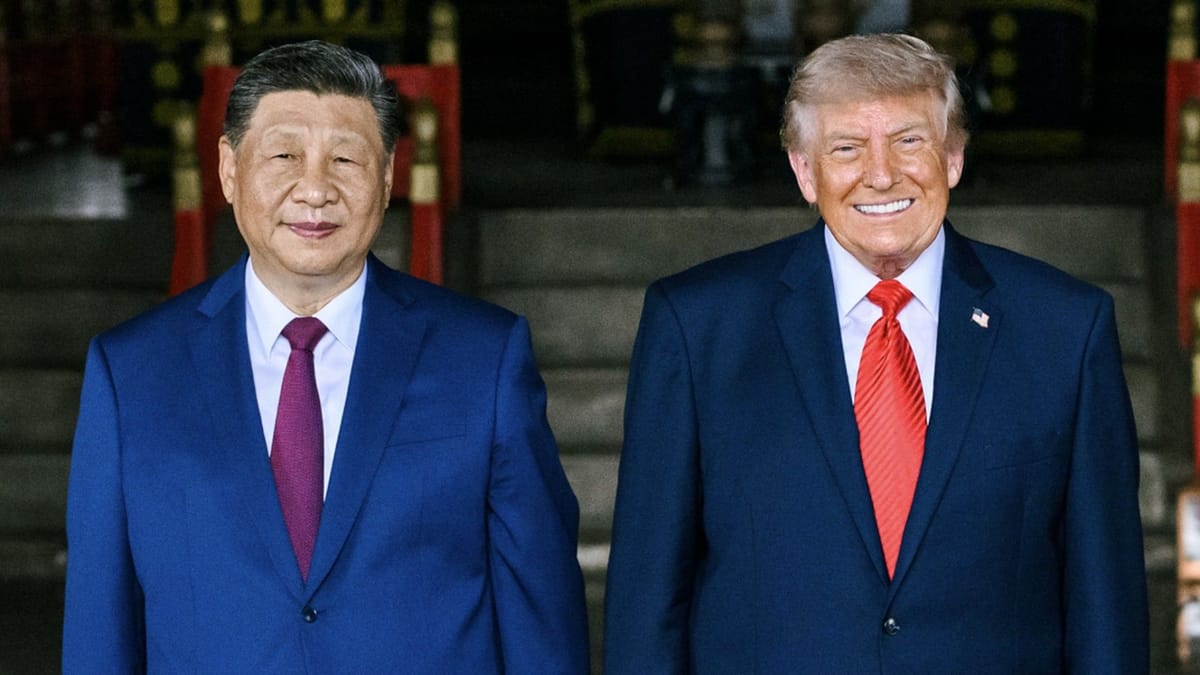
President Trump's recent visit to China did not yield any significant advancements regarding negotiations with Iran, a development that aligns with expectations in the geopolitical landscape. The interactions between the US and Chinese delegates revealed a lack of realistic approaches toward the ongoing discussions about Iran's nuclear ambitions and regional influence.
The exchange of documents outlining negotiating conditions indicates that both the US and China are entrenched in their positions, reflecting a broader trend of escalating tensions rather than compromise. Meanwhile, Israel's stance remains clear, as it continues to advocate for maximum escalation of the conflict, underscoring its commitment to countering Iranian influence in the region.
Implications for Regional Security
The stagnation in talks and the firm positions taken by both the US and Israel raise significant concerns for regional stability. As the situation unfolds, the lack of a coherent strategy from key players could lead to increased tensions and potential conflict in the Middle East. This environment fosters uncertainty, particularly for US allies who rely on American leadership to navigate the complexities of Iranian actions and broader regional dynamics.
This raises the question of how the current impasse will affect US foreign policy moving forward. Analysts will be watching closely as the implications of these developments could redefine alliances and strategies in the region, particularly if negotiations continue to falter and Israel's aggressive posture prevails.
Sources: Defence24, ایران اینترنشنال, Rappler, The Detroit News, and The New York Times