Strait of Hormuz to Reopen Following US-Iran Agreement

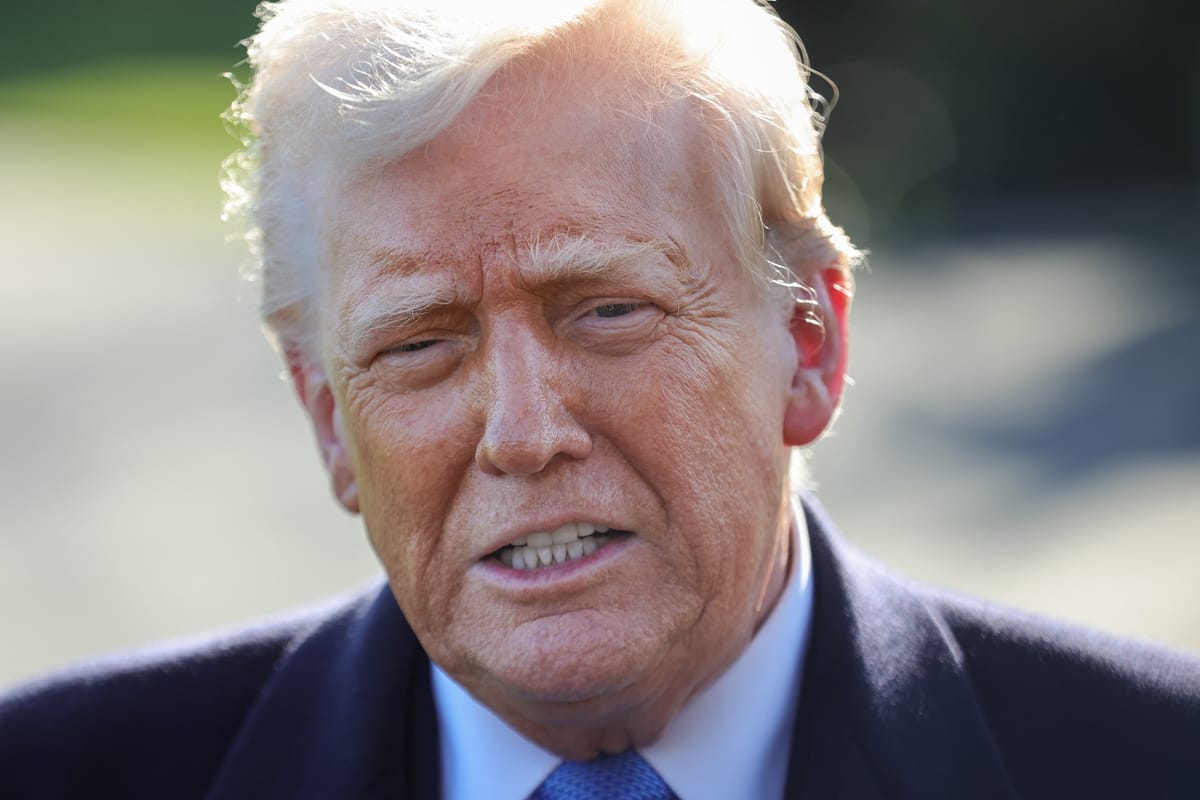
President Trump's Announcement on Shipping in the Strait of Hormuz
In a significant development for global shipping and regional stability, President Donald Trump announced on Monday that the Strait of Hormuz will be "completely open" starting Friday. This decision follows a deal between Iran and the United States aimed at resolving the ongoing conflicts in the Middle East that have previously restricted navigation through this vital maritime passage.
The Strait of Hormuz is a critical chokepoint for global oil shipments, with about 20% of the world's petroleum passing through its waters. The recent tensions in the region had raised concerns over the safety and reliability of shipping routes, affecting energy prices and global markets. The agreement to reopen the strait is expected to alleviate some of these pressures, restoring a sense of security for shipping companies and nations reliant on oil imports from the Gulf.
Implications for Regional and Global Stability
This move could have important implications for U.S.-Iran relations and the broader geopolitical landscape in the Middle East. Analysts will be watching how this agreement influences Iran's future actions in the region and whether it leads to a sustained period of reduced hostilities. Furthermore, the reopening of the strait may encourage other nations to engage in diplomatic efforts to address outstanding tensions in the area, potentially reshaping alliances and partnerships.
Why this matters: The reopening of the Strait of Hormuz not only facilitates the flow of oil but also signals a potential shift towards diplomatic engagement between the U.S. and Iran. This development highlights the importance of maritime security for economic stability globally. The implications of this agreement could resonate beyond the immediate region, influencing global energy markets and international relations in the years to come.
Sources: Thedefensepost, PBS, CBS News, BBC, and The New York Times