Strategic Developments in Defense: GBU-57 Capabilities and European Partnerships

The defense landscape is evolving with significant advancements in munitions capabilities and international partnerships. Two noteworthy developments are the capabilities of the GBU-57 Massive Ordnance Penetrator and the recent collaboration between Moog and PONAR Wadowice aimed at enhancing defense technologies in Europe. Together, these developments underscore the increasing focus on both hard-target engagement and regional defense collaboration.
What happened
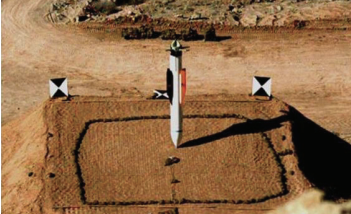
The GBU-57 Massive Ordnance Penetrator has garnered attention for its exceptional bunker-busting capabilities. Designed to penetrate hardened targets, the GBU-57 is equipped with advanced guidance systems and a massive warhead that enables it to breach the most fortified structures. Its development history reflects a strategic response to evolving threats, particularly concerning adversaries with sophisticated underground facilities.
On another front, Moog has entered a partnership with PONAR Wadowice, formalized through a memorandum of understanding, to jointly develop aerospace and defense technologies. This collaboration aims to serve Poland and other European customers, indicating a strategic move to bolster European defense capabilities amid rising regional tensions.
The strategic calculus
The capabilities of the GBU-57 align with the current strategic military purpose of ensuring that the U.S. can effectively target and neutralize threats posed by adversaries with advanced defensive structures. The implications of such munitions are profound:
- Enhanced Target Engagement: The GBU-57 allows for precision strikes against high-value targets, reducing collateral damage while maximizing operational effectiveness.
- Deterrence Factor: The existence of such powerful munitions serves as a deterrent against adversaries, potentially dissuading them from pursuing aggressive actions.
Concurrently, the Moog-PONAR partnership highlights a growing trend of defense collaboration in Europe, reflecting a need for localized defense solutions amid global uncertainties. The joint development efforts are expected to foster innovation and improve defense readiness across the continent.
Industry fallout
The developments surrounding the GBU-57 and the Moog partnership may have significant repercussions for the defense industry. The emphasis on advanced munitions could shift procurement priorities within the U.S. and allied nations, potentially directing funding and research towards similar technologies. Furthermore, the Moog and PONAR collaboration may encourage other defense firms to seek partnerships that enhance their technological capabilities and market reach.
In conclusion, these developments signal a dual focus on enhancing offensive capabilities and fostering international defense partnerships as key strategies in navigating contemporary security challenges.
Sources: Thedefensepost and The Defense Post