
Strategic Developments in Low-Cost Defense Technologies

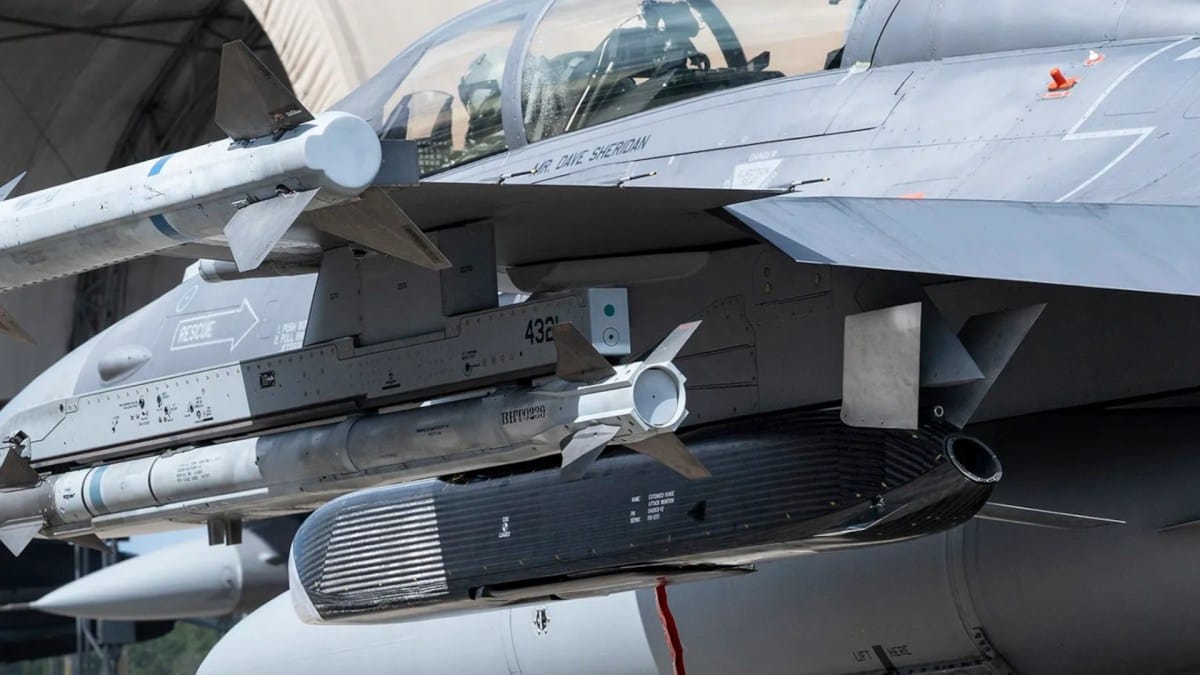
The defense landscape is witnessing a significant shift towards the acquisition of low-cost weapon systems, as seen in recent announcements from both the United States and the United Kingdom. The Pentagon's planned purchase of standoff weapons and the UK's development of drone interceptors highlight a strategic pivot that could reshape military capabilities and budget allocations in the years to come.
What happened
The Pentagon is advancing a major procurement initiative, intending to buy 28,000 low-cost cruise missiles over the next five years. This move is characterized by a focus on weapons that are significantly cheaper than traditional legacy systems, enabling broader operational flexibility at reduced costs.
Simultaneously, the UK Ministry of Defence has awarded contracts worth 3.14 million pounds ($4.22 million) to three companies for the development of low-cost drone interceptors. This initiative aims to bolster the UK's aerial defense capabilities against a growing threat from unmanned aerial vehicles (UAVs).
The strategic calculus
The push for low-cost weaponry reflects a broader strategic calculus in defense spending, where nations seek to maximize operational effectiveness while minimizing financial strain. Analysts observe that:
- Low-cost systems can be produced and deployed in larger quantities, enhancing deterrence capabilities.
- They allow for rapid technological updates and iterations without the extensive financial commitments associated with high-end systems.
- This shift may also influence allied nations to adopt similar strategies, fostering a competitive environment in defense innovation.
As the threat landscape evolves, the integration of low-cost systems is likely to play a critical role in maintaining military readiness and operational superiority.
The bigger picture
These initiatives underscore a significant trend in defense procurement strategies that prioritize cost-effectiveness and adaptability. The implications of this shift are manifold:
- Increased competition in the defense industry as companies innovate to meet the demand for affordable systems.
- A possible reevaluation of traditional defense doctrines that have emphasized high-cost, high-tech weaponry.
- Greater collaboration between nations to share technology and best practices in developing low-cost defense solutions.
As both the United States and the United Kingdom pursue these low-cost strategies, the global defense community will be watching closely. These developments may signal a new era in military procurement where affordability and efficiency become paramount.
Sources: Twz, Thedefensepost, Project On Government Oversight, CSIS | Center for Strategic and International Studies, and Defense Security Monitor