Strengthening Indo-Pacific Deterrence: Recent Military Procurement Developments

Recent military procurement announcements from the United States and allied nations underscore a concerted effort to bolster deterrence capabilities in the Indo-Pacific region. With the U.S. Army's new acquisition of advanced cruise missiles and Australia's local production initiatives, the strategic landscape in this vital area is rapidly evolving.
What Happened
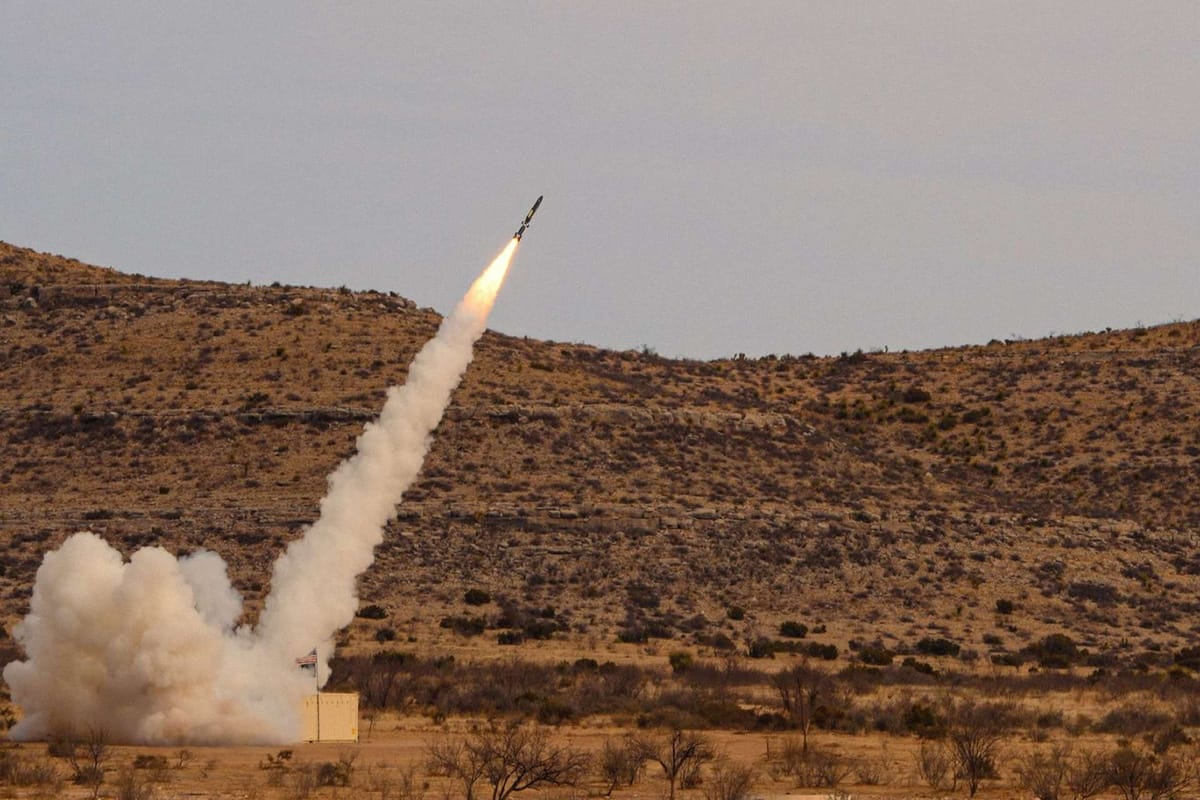
The U.S. Army has placed an order for 3,000 Anduril Barracuda-500M cruise missiles, aimed at enhancing its containerized long-range strike capacity. This procurement is part of a broader strategy to increase military readiness in the Indo-Pacific theater.
Simultaneously, Australia is set to reinforce its defense posture by locally producing Norwegian NSM and JSM missiles. This initiative is part of a bilateral agreement with Norway and is intended to strengthen allied deterrence efforts in the region.
In another development, Estonia has ordered additional K239 Chunmoo rocket launchers, expanding NATO's strike range to 290 kilometers. This decision reflects the ongoing commitment to enhance NATO's capabilities on its eastern flank, particularly in response to heightened geopolitical tensions.
The Strategic Calculus
These developments raise critical questions regarding the strategic calculus in the Indo-Pacific and European theaters. The U.S. Army's acquisition of the Barracuda-500M missiles highlights a shift towards greater emphasis on long-range strike capabilities, crucial for countering potential threats in the region. The integration of these missiles into operational frameworks could significantly enhance the U.S. military's deterrence posture.
Australia's decision to produce NSM and JSM missiles locally indicates a commitment to self-reliance in defense, aligning with broader trends of enhancing national capabilities in response to regional challenges. This localized manufacturing could lead to increased interoperability with U.S. forces and other allies.
Estonia's expansion of its strike capabilities through the Chunmoo launchers emphasizes NATO's focus on strengthening its eastern defenses. As tensions with Russia persist, the enhancement of NATO's military footprint in Eastern Europe is likely to be viewed as a necessary precaution by member states.
By the Numbers
- 3,000 – Number of Anduril Barracuda-500M cruise missiles ordered by the U.S. Army.
- 290 km – Extended strike range provided by the additional K239 Chunmoo rocket launchers ordered by Estonia.
- Local production of NSM and JSM missiles as part of Australia's agreement with Norway.
These figures not only highlight individual national efforts but also illustrate a collective response to evolving security threats across different regions.
As these initiatives unfold, analysts will be monitoring the implications for regional stability and defense collaboration among allies. The focus on enhancing deterrent capabilities suggests a broader recognition of the need for readiness against potential conflicts.
Sources: Armyrecognition, Missile Matters — with Fabian Hoffmann, Indo-Pacific Defense FORUM, The Defense Post, and Geopolitical Monitor