Strengthening Transatlantic Ties: Insights from Defence24 Days

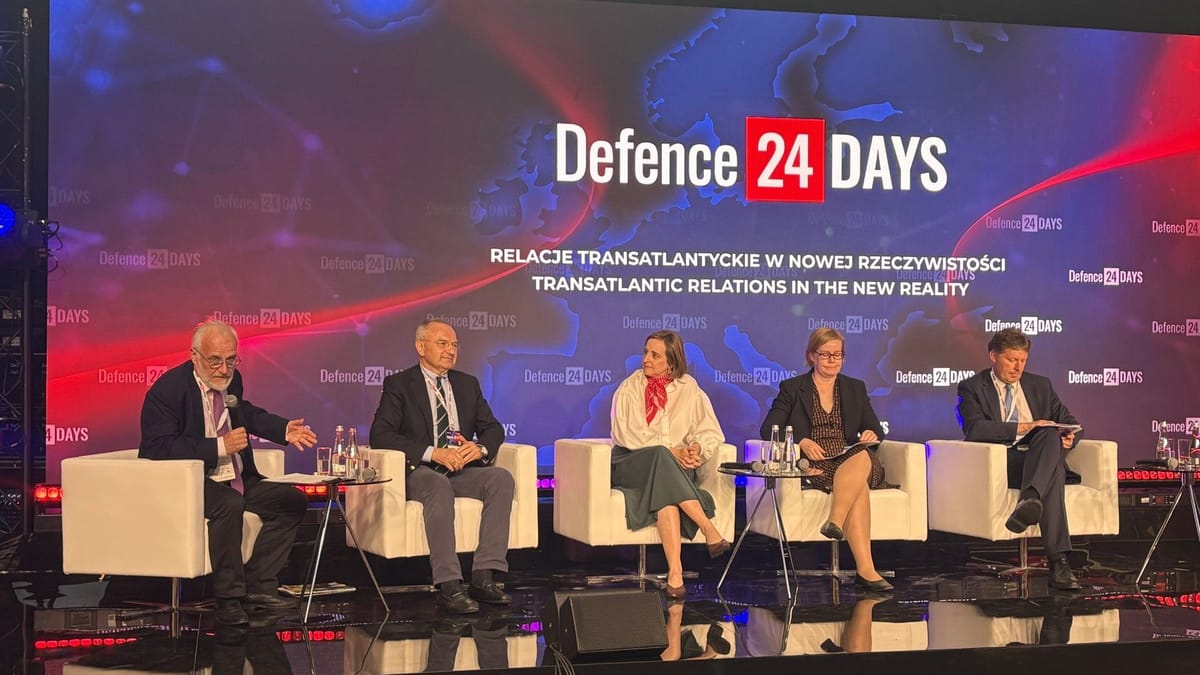
Transatlantic Relations Under Scrutiny
The recent Defence24 Days conference featured a panel discussion titled “Transatlantic Relations in the New Reality,” which examined the dynamics between the United States, Canada, Sweden, and Poland. The discussion was particularly focused on the policies of President Trump’s administration concerning NATO and the implications of the decision regarding war with Iran. This event gathered experts and analysts, including moderator Robert Pszczel, a former diplomat and current analyst at the Center for Eastern Studies (OSW), to address these critical geopolitical issues.
While transatlantic relations have experienced strains in recent years, particularly around defense spending and collective security commitments, the conference highlighted a continued commitment to collaboration among these nations. Discussions reflected on how President Trump's administration has influenced NATO policies, emphasizing the need for unity in the face of emerging global threats. The involvement of European nations such as Sweden and Poland signifies a broader interest in maintaining a robust partnership with the U.S. and Canada, especially in light of security concerns in Eastern Europe and the Middle East.
Why It Matters
The implications of these discussions are significant for future defense and security policies. The strong emphasis on collaboration underscores the necessity for NATO members to align their strategies to counter potential threats, including those posed by Iran and other regional actors. Analysts will be watching how these discussions translate into actionable policies that enhance military readiness and interoperability. Furthermore, as geopolitical tensions evolve, the adaptability of transatlantic relations will be crucial for maintaining stability in a changing world order.
Sources: Defence24, Lawfare, Baker Institute, European Union Institute for Security Studies |, and TRENDS Research & Advisory