Sub-Saharan Africa at a Crossroads Amidst Global Tensions

Current Global Dynamics Impacting Sub-Saharan Africa
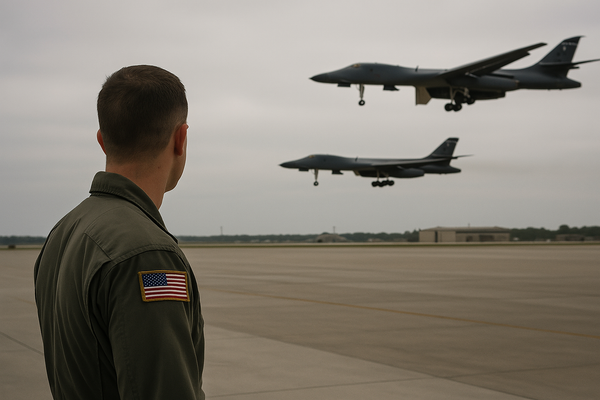
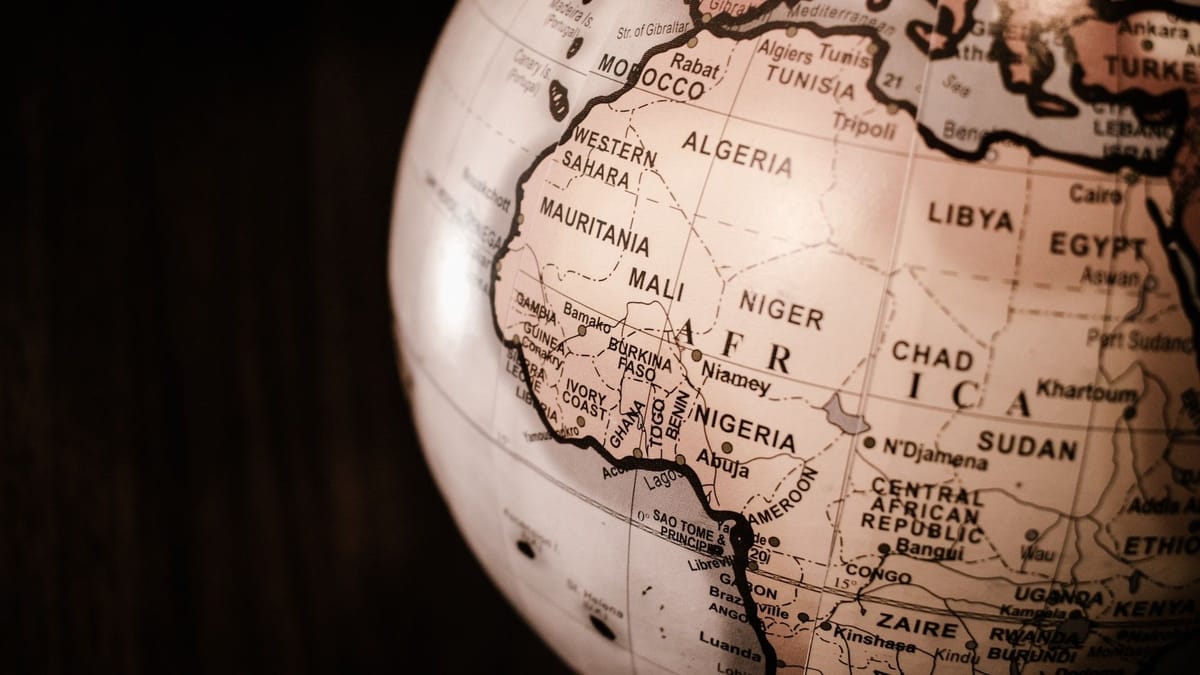
The recent outbreak of war involving the United States of America, Iran, and Israel has significantly destabilized the already fragile international liberal order. This conflict has critical implications for Sub-Saharan Africa, positioning the region as a battleground rather than an influential player in global affairs. As these geopolitical tensions escalate, the effects on security, governance, and economic stability in Sub-Saharan Africa become increasingly pronounced.
The shifting landscape of international relations suggests that Sub-Saharan Africa is at a pivotal juncture. The weakening of the liberal order may lead to a rise in authoritarianism and a decrease in support for democratic governance. This environment could exacerbate existing conflicts within the region, as external powers may exploit local grievances to further their interests. Moreover, the focus on regional security and stability will likely draw attention away from developmental initiatives, leaving many nations vulnerable to both internal and external pressures.
Why It Matters
The evolving situation raises critical questions about the future of Sub-Saharan Africa's role on the world stage. Analysts will be watching to see how local governments navigate these challenges, particularly in terms of maintaining sovereignty and promoting stability. The implications for U.S. foreign policy and international aid are also significant, as a diminished liberal order may alter the approach taken by Western powers in addressing the region's needs. As the geopolitical landscape continues to shift, the potential for increased instability in Sub-Saharan Africa could have far-reaching consequences for global security.
Sources: Defence24, Stimson Center, Council on Foreign Relations, CIDOB, and Carnegie Endowment for International Peace