Taiwan Conducts Amphibious Assault Simulation Amid Rising Tensions

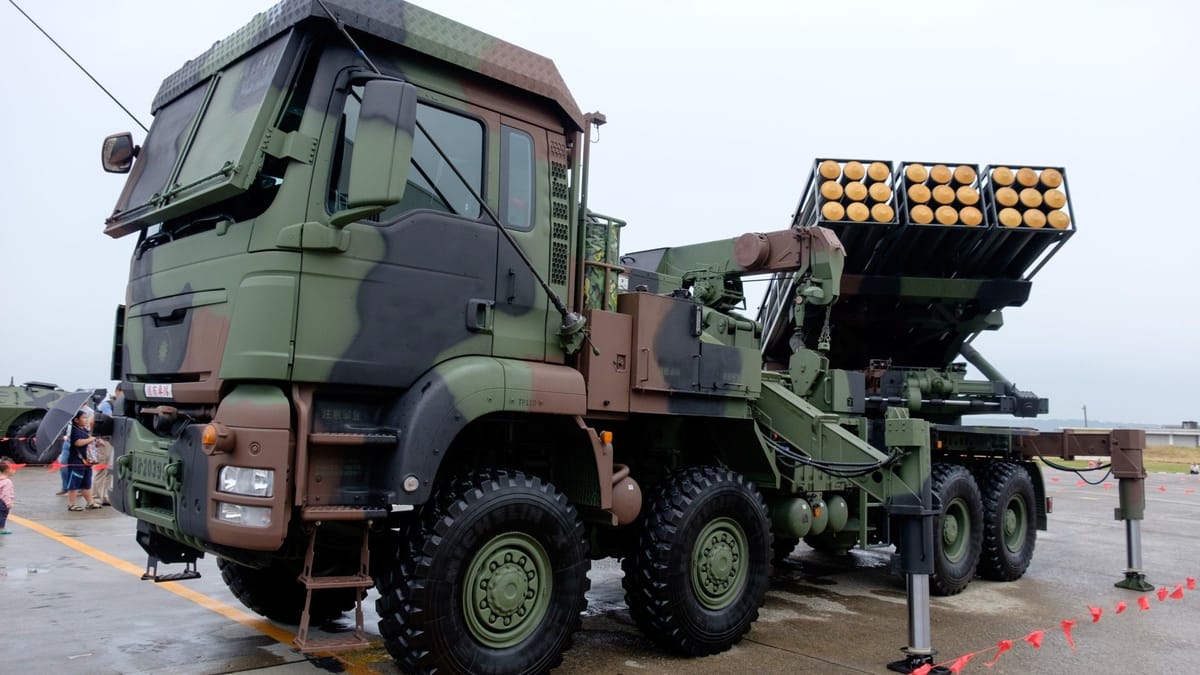
Military Maneuvers on the West Coast
Recently, the Taiwanese military executed a comprehensive simulation to prepare for a potential amphibious assault on its west coast. This exercise, which took place amid escalating tensions with China, marked the first time in seven years that missile systems were employed during such maneuvers. The use of advanced military technology underscores Taiwan's commitment to enhancing its defensive capabilities in the face of perceived threats.
The backdrop of these military exercises is significant. China's increasing assertiveness in the region, particularly with respect to Taiwan, has prompted the island to bolster its defense strategies. By simulating a naval attack response, Taiwan aims to demonstrate readiness and deter potential aggression from mainland China. The simulation not only involved traditional ground forces but also integrated the latest missile technology, indicating a shift in Taiwan's defense posture towards more robust deterrent capabilities.
Why It Matters
This development raises important questions about the balance of power in the Taiwan Strait and the broader implications for regional security. With Taiwan actively enhancing its military preparedness, analysts will be closely monitoring China's reactions and potential adjustments in its military strategy. The implications of these maneuvers could influence U.S. defense policy in the Indo-Pacific, as the United States continues to support Taiwan's self-defense initiatives. Taiwan's proactive measures may also serve to reassure its allies and partners of its commitment to maintaining stability in the region.
Sources: Defence24, Devdiscourse, Institute for the Study of War, Reuters, and dw.com