Tensions Escalate as Ceasefire and Strategic Routes Come Under Fire

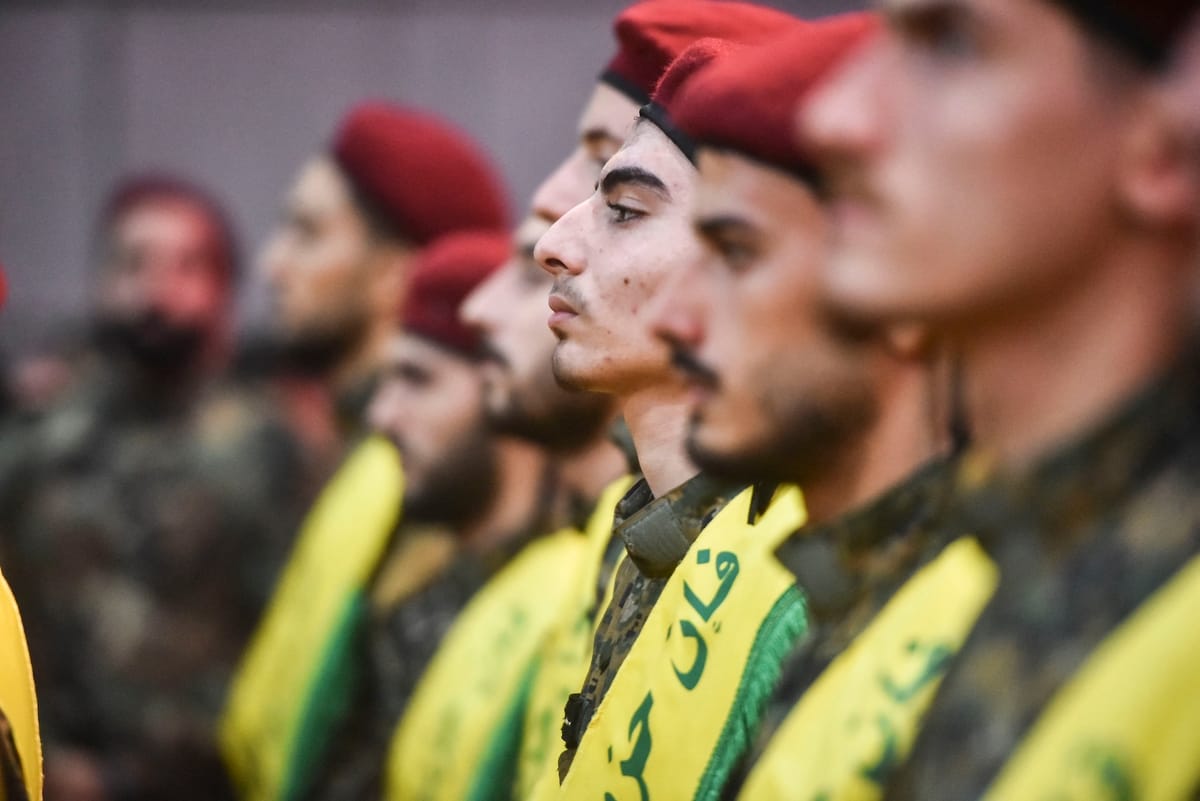
In a rapidly deteriorating situation, Israel and Hezbollah have reportedly agreed to a ceasefire, as confirmed by a US official. This development comes after a series of deadly exchanges between the two parties in Lebanon, which have once again put a recent deal aimed at ending the Middle East war under significant strain. The ceasefire was established less than two days after the deal was signed, highlighting the fragile nature of the current geopolitical landscape.
What happened
Israel's military actions against Hezbollah in Lebanon have drawn sharp responses, particularly from Iran. Following Israeli strikes, Iran has declared that it is closing the vital Strait of Hormuz shipping lane, asserting that these attacks represent a violation of its agreement with the United States concerning the cessation of hostilities in the region. This closure marks a significant escalation in tensions, as the Strait of Hormuz is a crucial corridor for global oil shipments.
The strategic calculus
The current situation reflects a complex interplay of military engagements and diplomatic negotiations:
- Ceasefire Agreement: The ceasefire between Israel and Hezbollah is a temporary measure that may not hold, given the rapid escalation of violence.
- Iran's Response: By closing the Strait of Hormuz, Iran is signaling its willingness to retaliate against perceived violations of agreements, raising concerns about the potential for wider conflict.
- US Role: The involvement of the United States in facilitating agreements is crucial, yet the effectiveness is challenged by the swift deterioration in relations between Israel and Hezbollah.
The regional dynamics suggest that both Iran and Hezbollah may leverage the current ceasefire to regroup or prepare for further military actions, complicating the implementation of peace agreements.
What comes next
Analysts will be watching closely to see how the ceasefire is enforced and whether Iran's closure of the Strait of Hormuz remains in place. The implications of these developments could reshape military strategies and diplomatic efforts in the region. Key questions include:
- Will the ceasefire hold, or will both sides return to hostilities?
- How will the closure of the Strait of Hormuz impact global oil markets and maritime security?
- What steps will the United States take to mediate and stabilize the situation?
As this situation evolves, the intersection of military action and diplomatic agreements will be critical in determining the course of future engagements in the Middle East.
Sources: Thedefensepost, NBC News, WSJ, Reuters, and Council on Foreign Relations