The Challenges of Adopting Autonomous Naval Technology in the US

Understanding the Limitations of Robotic Navies
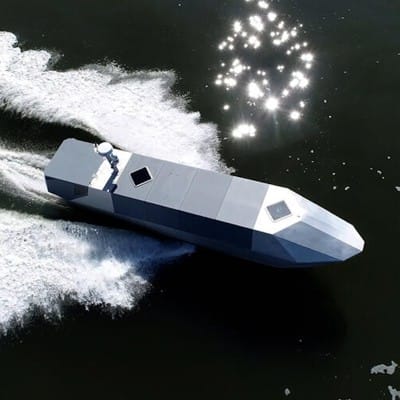
As the United States considers the integration of autonomous naval vessels into its military operations, the lessons learned from Ukraine's use of drone technologies highlight significant challenges. Command and control systems are essential in naval warfare, and experts indicate that these functions will continue to rely heavily on human operators. The discussion surrounding robotic naval capabilities emphasizes the complex nature of maritime engagements, where human intuition and decision-making remain critical despite advancements in technology.
The context of this analysis is particularly relevant as the U.S. Navy explores innovative solutions to enhance its operational capabilities, especially in the Pacific theater. While Ukraine has demonstrated the effective use of unmanned systems to bolster its naval operations, the U.S. faces unique hurdles. These include integrating robotic vessels into existing command structures, ensuring interoperability with manned units, and developing robust frameworks for human oversight in decision-making processes. The reality is that while technology can enhance military effectiveness, it cannot fully replace the nuanced judgment that human operators contribute.
Why It Matters
The implications of this analysis are significant for future U.S. naval strategy. As military planners consider the evolving landscape of warfare, understanding the balance between human and machine roles becomes vital. This raises the question of how the U.S. Navy will adapt its training and operational protocols to incorporate autonomous systems while maintaining critical human oversight. The successful integration of such technologies will likely influence not only the effectiveness of U.S. naval forces but also the broader strategic competition in the Indo-Pacific region.
Sources: Defenseone, Ocean News & Technology, Army Recognition, AFCEA International, and UK Defence Journal