The Evolution of NORAD: Adapting to Modern Threats

Understanding NORAD's Role in Contemporary Defense
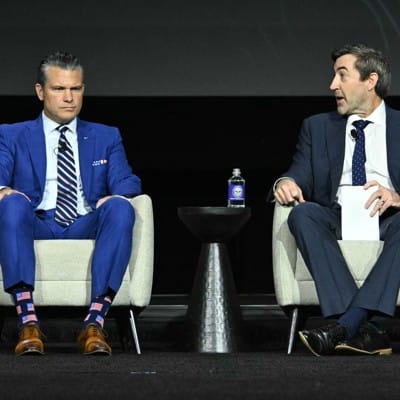
As threats to North America evolve, the North American Aerospace Defense Command (NORAD) continues to play a critical role in national security. In a recent discussion, Tamir Waser, Senior U.S. Foreign Policy Advisor (POLAD) at NORAD and USNORTHCOM, elaborated on the command's adaptive strategies in response to an increasingly complex security environment marked by drones, cyber attacks, and missile threats.
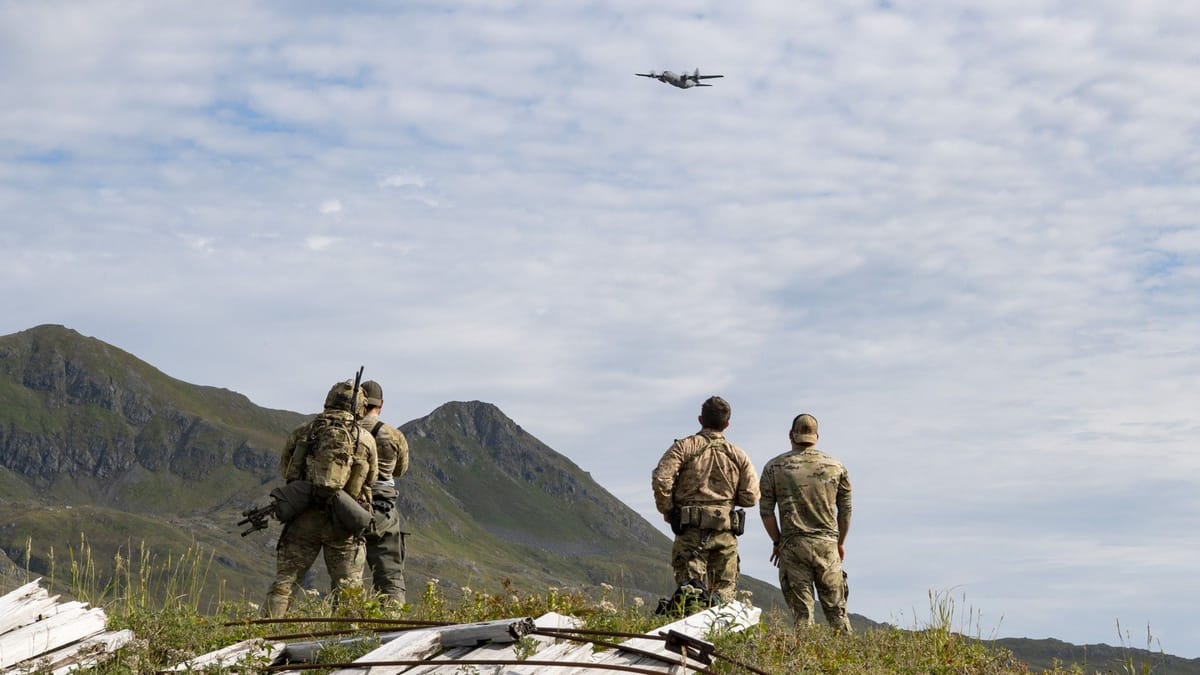
NORAD has been safeguarding North American airspace for nearly 70 years, yet the nature of threats has transformed dramatically. Emerging technologies and heightened geopolitical tensions demand that NORAD not only maintain current defense systems but also innovate in its operational approaches. The integration of advanced technologies into NORAD's framework is essential for addressing the multifaceted challenges posed by state and non-state actors alike.
Implications for Future Defense Strategies
The ongoing evolution of NORAD highlights the importance of transatlantic relations in bolstering collective security. Close cooperation with allied nations is vital for sharing intelligence and enhancing readiness against both traditional and asymmetric threats. This raises the question of how NORAD's strategies will evolve to incorporate new technological advancements and collaborative frameworks with international partners.
As defense professionals observe these developments, the implications for future military readiness and strategic partnerships are significant. The need for a flexible and responsive defense posture will only intensify as threats continue to diversify, making NORAD's role increasingly pivotal in ensuring the safety and security of North America.
Sources: Defence24, U.S. Department of War (.gov), The National Interest, Homeland Security Today, and Atlantic Council