The Evolving Landscape of Drone Warfare and Its Human Cost

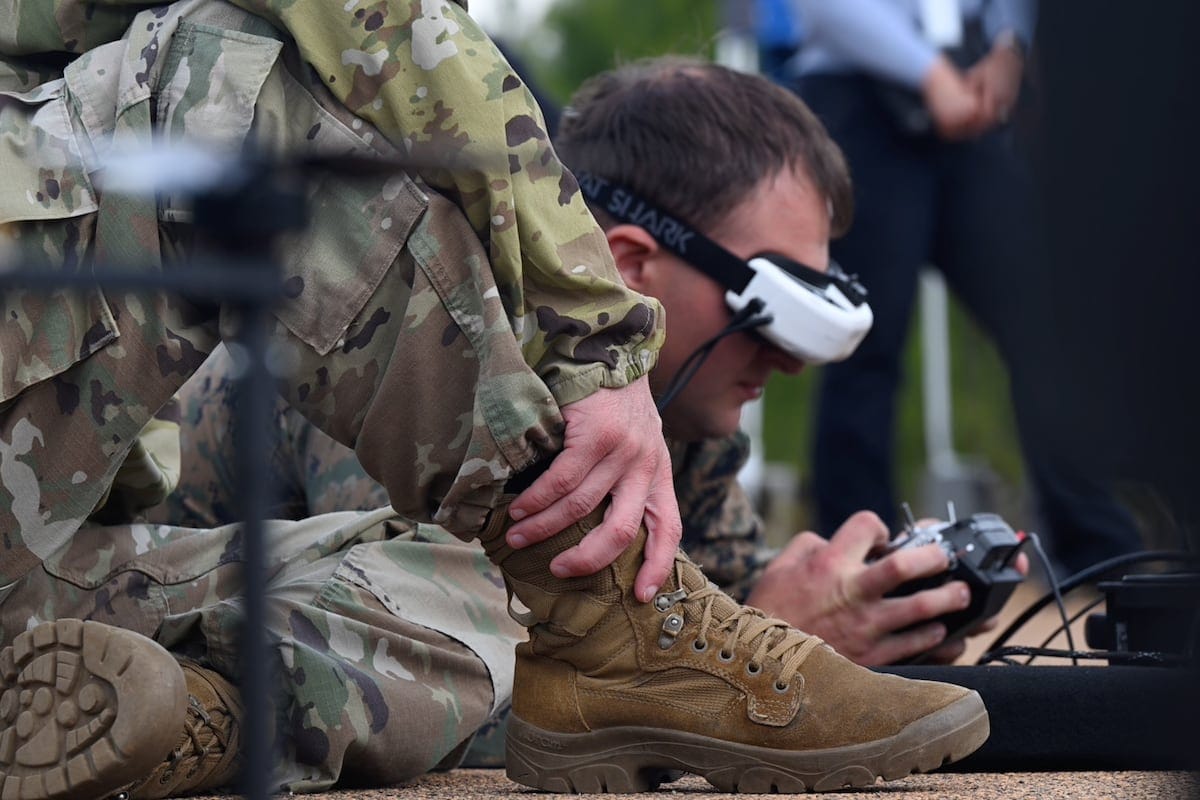
The recent incident involving the death of Sgt. Michael Emmanuel Swinton during a controlled detonation of an Iranian drone underscores the ongoing risks associated with drone warfare. As the Pentagon adapts its strategies to counter such threats, a concurrent shift in how it acquires drone technology is evident, particularly through its support for defense startups.
What happened
Sgt. Michael Emmanuel Swinton, 30, was killed while handling unexploded ordnance from a downed Iranian one-way attack drone. This tragic event highlights the dangers faced by military personnel in operational environments where drone technology is increasingly prevalent. The incident not only brings attention to the immediate risks associated with drone engagements but also raises broader questions about the evolving nature of warfare.
The strategic calculus
In light of the threats posed by drones, particularly those employed by adversaries like Iran, the Pentagon is actively pursuing innovative solutions to enhance its defensive and offensive capabilities. The Drone Dominance competition launched by the Pentagon is a clear reflection of this strategic pivot. This initiative aims to foster competition among defense startups, promoting rapid development and deployment of cutting-edge drone technologies.
Key aspects of this strategic shift include:
- Innovation through Competition: The Drone Dominance competition is designed to stimulate a collaborative environment where defense startups can contribute to military technology.
- Adaptation to Threats: As threats evolve, the Pentagon recognizes the necessity of integrating advanced drone capabilities to maintain a tactical edge.
- Streamlined Acquisition Processes: The push for more agile procurement methods reflects a broader trend in the military to adapt to the fast-paced technological landscape.
Industry fallout
The emphasis on acquiring drone technology through partnerships with startups signifies a notable change in how the Pentagon approaches defense contracting. This initiative not only aims to harness innovation from the private sector but also addresses potential limitations of traditional defense contractors that may not be able to pivot as quickly in response to emerging threats.
The implications of this shift are multifaceted:
- Increased collaboration between military and civilian tech sectors.
- Potential for quicker deployment of advanced technologies in operational theaters.
- Heightened focus on mitigating risks associated with drone warfare, as evidenced by the recent incident involving Sgt. Swinton.
As the Pentagon continues to refine its approach, defense professionals will be closely analyzing how these initiatives impact both military readiness and the safety of personnel engaged in increasingly complex operational environments.
Sources: Defensenews, WSJ, UC Berkeley Haas News, Tech Times, and Defense One