The Growing Threat of Russia's Shadow Fleet to NATO and Baltic Security

Understanding the Shadow Fleet's Impact
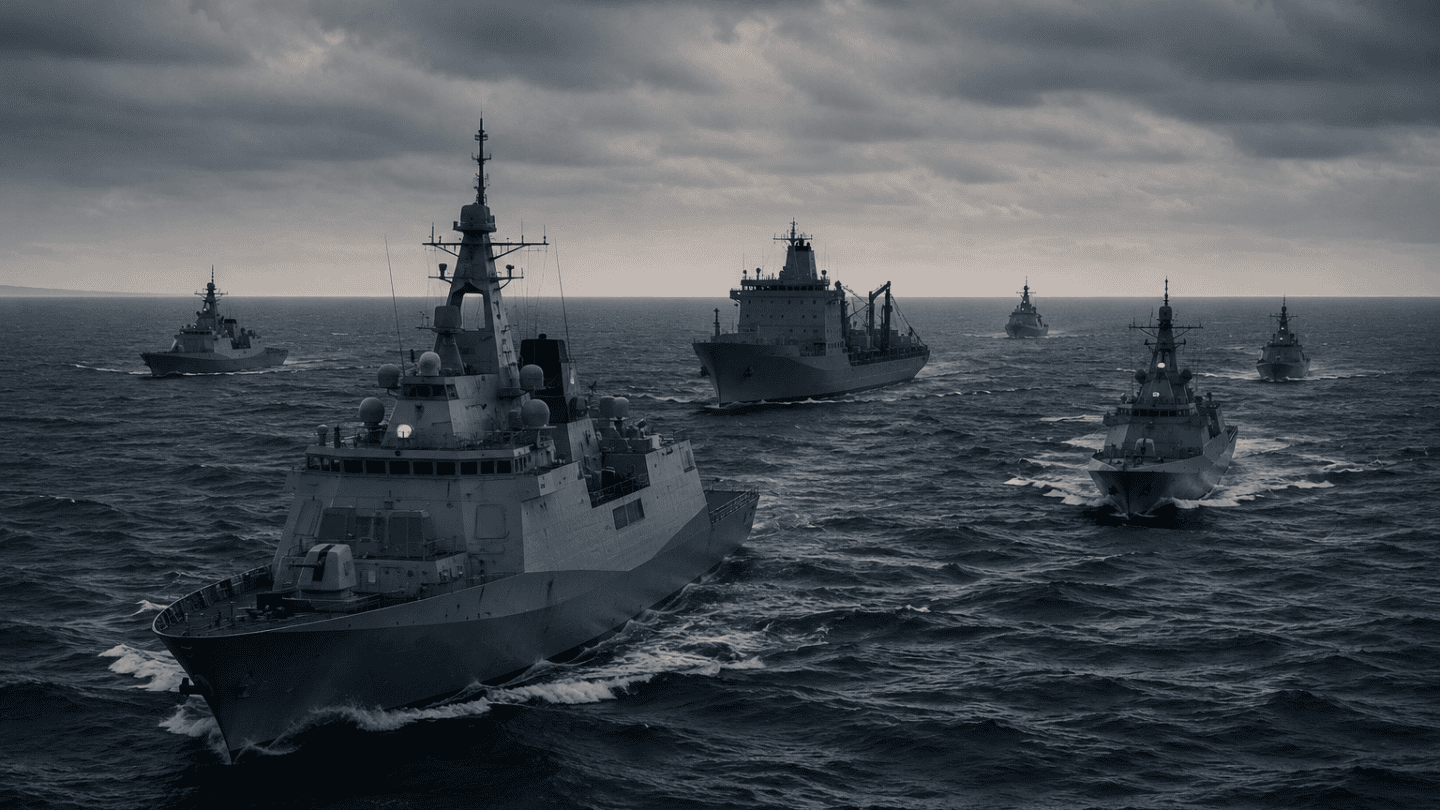
As Russia continues to bolster its military capabilities, its so-called "shadow fleet" emerges as a significant threat to Baltic infrastructure and NATO's security framework. This clandestine maritime operation funds Russia's military efforts, raising alarms among NATO allies who must confront the implications of this growing menace. The situation is particularly pressing given the strategic importance of the Baltic Sea region, where the potential for increased hostilities could destabilize the balance of power.
The shadow fleet operates under a veil of ambiguity, making it difficult for NATO to formulate a unified response. The lack of clear indicators regarding the fleet's composition and operational capabilities creates challenges in assessing the full extent of its threat. This uncertainty should not lead to inaction; rather, it highlights the need for increased surveillance and intelligence-sharing among NATO member states. By understanding the nuances of Russia's maritime strategy, NATO can better position itself to counteract these threats and protect its interests in the region.
The Need for a Coordinated Response
The disparity in allied responses to the shadow fleet's activities underscores the necessity for a cohesive strategy. As Russia's shadow fleet continues to operate with relative impunity, NATO must prioritize collective defense measures that include enhanced maritime patrols and intelligence operations. Adopting a proactive approach will be crucial in deterring further Russian aggression and ensuring the safety of critical infrastructure within the Baltic states. The ongoing situation calls for a reassessment of NATO's maritime security posture and the implementation of robust countermeasures to safeguard allied territories.
Why it matters: The implications of Russia's shadow fleet extend beyond immediate military concerns. As tensions escalate, NATO's unity and resolve will be tested, influencing the alliance's credibility and effectiveness in future conflicts. Analysts will be watching closely to see how NATO adapts to this evolving threat. The urgency for decisive action cannot be overstated, as the security of the Baltic region hangs in the balance.
Sources: Defence24, MSN, The Moscow Times, Atlantic Council, and Quincy Institute for Responsible Statecraft