The USS Boise: Implications of Deactivation for the US Navy's Submarine Fleet

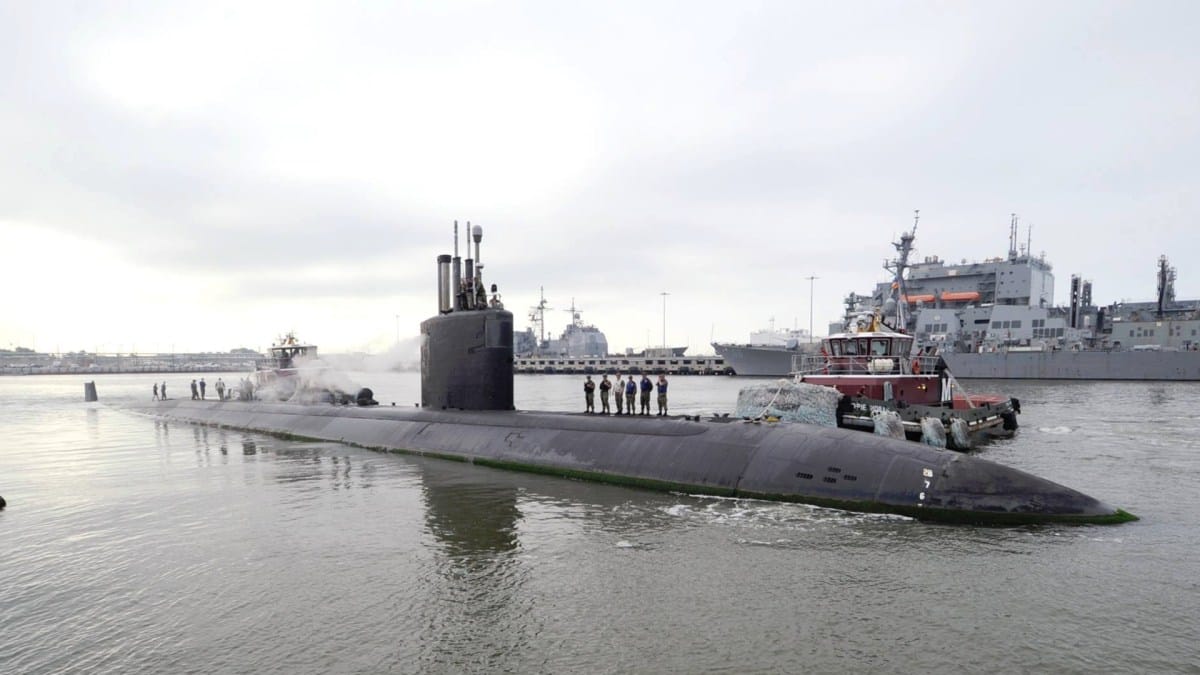
The recent announcement regarding the deactivation of the USS Boise, a Los Angeles-class attack submarine, marks a significant moment for the U.S. Navy, underscoring the challenges faced by the fleet in maintaining operational readiness. After more than a decade of stalled maintenance and billions spent, the Navy has officially called it quits on the Boise, a submarine that spent over one-third of its operational life in port. This decision raises important questions about the future of the Navy’s submarine force and its ability to meet emerging security challenges.
What Happened
The USS Boise’s tale is one of prolonged delays and costly setbacks. Originally intended to undergo a comprehensive overhaul, the submarine has been sidelined for more than 10 years, with its maintenance efforts plagued by mismanagement and resource constraints. The cumulative effect of these challenges led the Navy to announce its deactivation, a decision that reflects broader systemic issues within the naval maintenance and procurement processes.
- USS Boise spent over a third of its career in port.
- Maintenance delays exceeded 10 years, significantly affecting operational readiness.
- Billions of dollars were invested with minimal return on operational capability.
The Strategic Calculus
The deactivation of the USS Boise has implications that extend beyond the individual vessel. The U.S. Navy's submarine fleet is a critical component of national defense strategy, providing essential capabilities in deterrence and power projection. The inability to maintain and modernize existing submarines raises concerns about:
- Operational Readiness: With fewer submarines available, the Navy may struggle to meet its operational commitments.
- Geopolitical Threats: The rising competition with nations such as China and Russia necessitates a robust submarine fleet for effective deterrence.
- Budgetary Constraints: The significant expenditures on the Boise highlight the financial pressures facing the Navy amidst a demanding modernization agenda.
This strategic narrowing of the fleet could embolden adversaries, particularly in contested maritime environments where undersea capabilities are vital. The lessons learned from the Boise’s deactivation must inform future procurement and maintenance strategies to ensure the Navy's readiness against potential threats.
As the U.S. Navy looks towards the future, the deactivation of the Boise serves as a critical reminder of the need to streamline maintenance processes and enhance oversight of submarine sustainment programs. Moving forward, the Navy must prioritize the following:
- Implementing improved project management practices to avoid prolonged maintenance stalls.
- Seeking innovative solutions to sustain and modernize the existing fleet.
- Investing in training and resources for personnel involved in submarine maintenance.
The fate of the USS Boise may be a stark illustration of larger trends within the U.S. Navy, but it also presents an opportunity for reform. Addressing these underlying issues is essential for maintaining a credible and capable submarine force that can effectively navigate the complexities of future conflicts.
Sources: Twz and Thedefensepost