
Trump-Xi Summit Results in Trade Truce, Leaves Southeast Asia Uncertain

Mixed Outcomes from the Summit
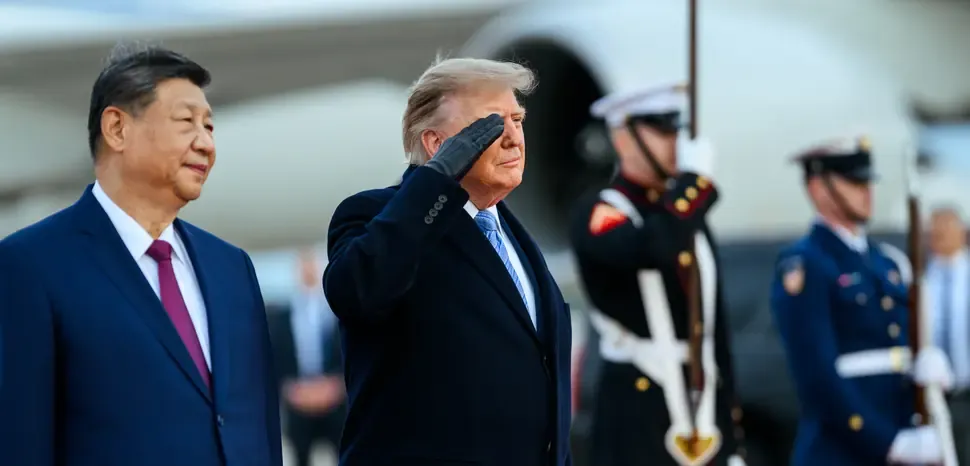
The recent summit between President Trump and President Xi Jinping resulted in a two-month trade truce, yet the overall outcomes appear limited. While both leaders aimed to ease tensions surrounding trade disputes, the announcement has left countries like Vietnam, Malaysia, and Thailand grappling with uncertainty regarding their economic positions and future trade relations.
Southeast Asian nations have increasingly found themselves caught in the crossfire of US-China trade dynamics. The lack of a robust agreement from the summit raises questions about the sustainability of the truce and its implications for regional economies. Countries in this region often rely heavily on trade with both the United States and China, making the current situation particularly precarious. The thin results of the summit may cause these nations to reassess their strategies in navigating the ongoing tensions between the two superpowers.
Vietnam, Malaysia, and Thailand have been looking for stability in their trade relationships, but the short duration of the truce may not provide the necessary assurance. The uncertainty surrounding US-China relations could compel these nations to seek alternative partnerships or bolster their own economic resilience. As they weigh their options, the recent developments may lead to a recalibration of their foreign policies, particularly in terms of aligning with either the US or China. The outcome of this summit not only signals a temporary pause in hostilities but also underscores the fragility of trade agreements in a rapidly changing geopolitical landscape. For Southeast Asian countries, the implications of this trade truce could extend beyond mere economics, influencing their diplomatic and security partnerships in the region.
Sources: Geopoliticalmonitor, fulcrum.sg, PBS, orfonline.org, and Council on Foreign Relations
Edited by Daniel Vazdar, Editor. How DEFCROS News reports, sources and corrects.