Türkiye Advances Drone Defense Capabilities with New Interceptor and Missile Systems

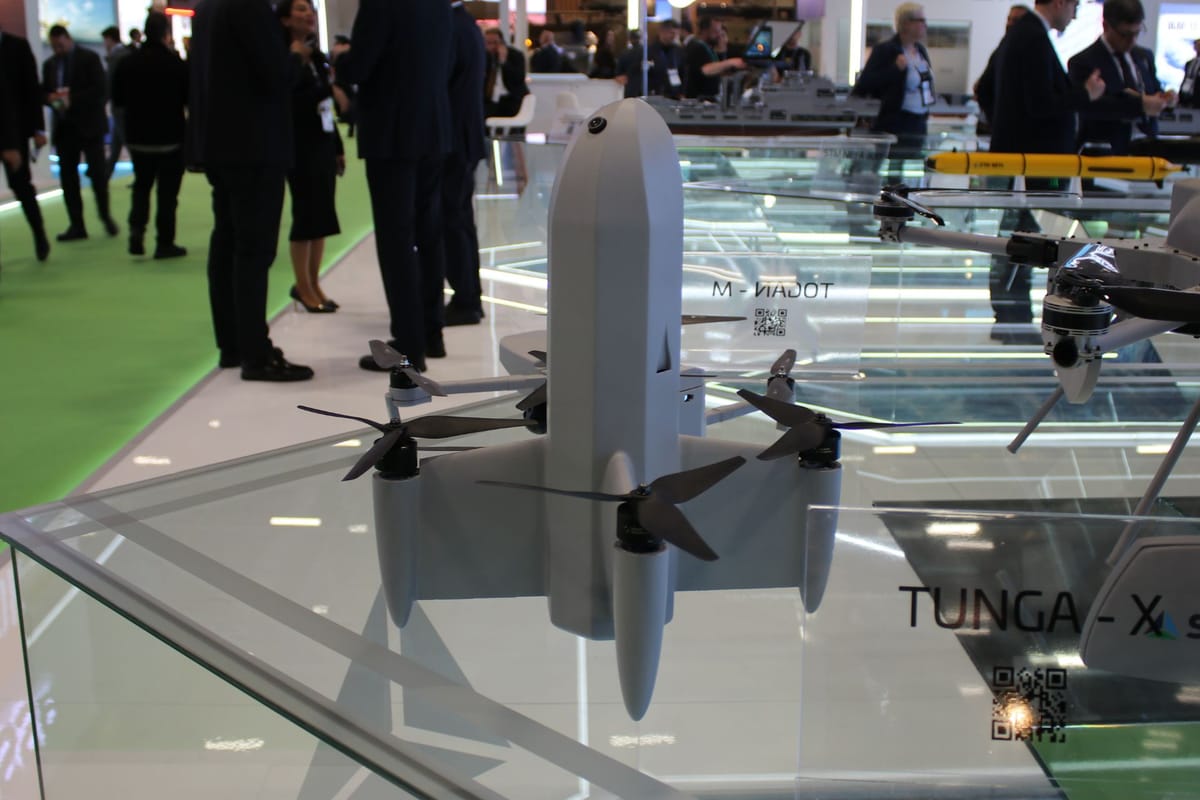
Türkiye is making significant strides in developing countermeasures against the growing threat of low-altitude unmanned aerial vehicles (UAVs), particularly those resembling Shahed-style drones. Two key systems have recently been unveiled that emphasize Türkiye's commitment to enhancing its defense capabilities and offering solutions for NATO partners.
What Happened
The Turkish company STM has introduced the TUNGA-X interceptor, a low-cost drone defense system specifically designed to combat Shahed-style UAV threats. This interceptor represents a reusable drone defense concept, which may contribute to more sustainable and cost-effective operations in the field.
In a complementary development, Roketsan has launched the Cirit C-UAS missile system in Istanbul. This guided missile offers NATO a new Turkish solution against low-altitude UAV threats, further solidifying Türkiye's role as a key player in the defense industry.
The Strategic Calculus
Both the TUNGA-X interceptor and the Cirit missile system are significant advancements for Türkiye's military capabilities. As drone technology evolves, so too do the strategies for countering such threats. The introduction of these systems suggests a few critical considerations:
- Cost-Effectiveness: With the TUNGA-X focusing on low-cost defense, Türkiye aims to provide economically viable solutions for drone defense, potentially increasing the accessibility of effective countermeasures.
- Interoperability: The Cirit missile system enhances NATO’s operational capabilities, reflecting Türkiye's commitment to collaborative defense efforts within the alliance.
- Adapting to Evolving Threats: Both systems are responses to the increasing use of UAVs in modern warfare, highlighting a proactive approach to emerging defense challenges.
Industry Fallout
The unveiling of these systems may have broader implications for the defense industry. As nations prioritize modernization and adaptation to new warfare domains, the demand for advanced UAV countermeasures is likely to rise. Türkiye's innovations could inspire other countries to invest in similar technologies or partnerships, potentially altering the competitive landscape.
Analysts will be watching how these developments impact not only Türkiye’s defense posture but also its relationships with NATO allies and other global players in the defense arena. The emphasis on low-cost solutions may also prompt discussions on procurement strategies and resource allocation within allied nations.
In summary, with the introduction of the TUNGA-X interceptor and the Cirit missile system, Türkiye is positioning itself as a formidable provider of drone defense solutions. The implications of these advancements could resonate throughout the NATO alliance and the broader international defense community.
Sources: Armyrecognition