Türkiye's Strategic Advances in Tactical UAV and Long-Range Missile Capabilities

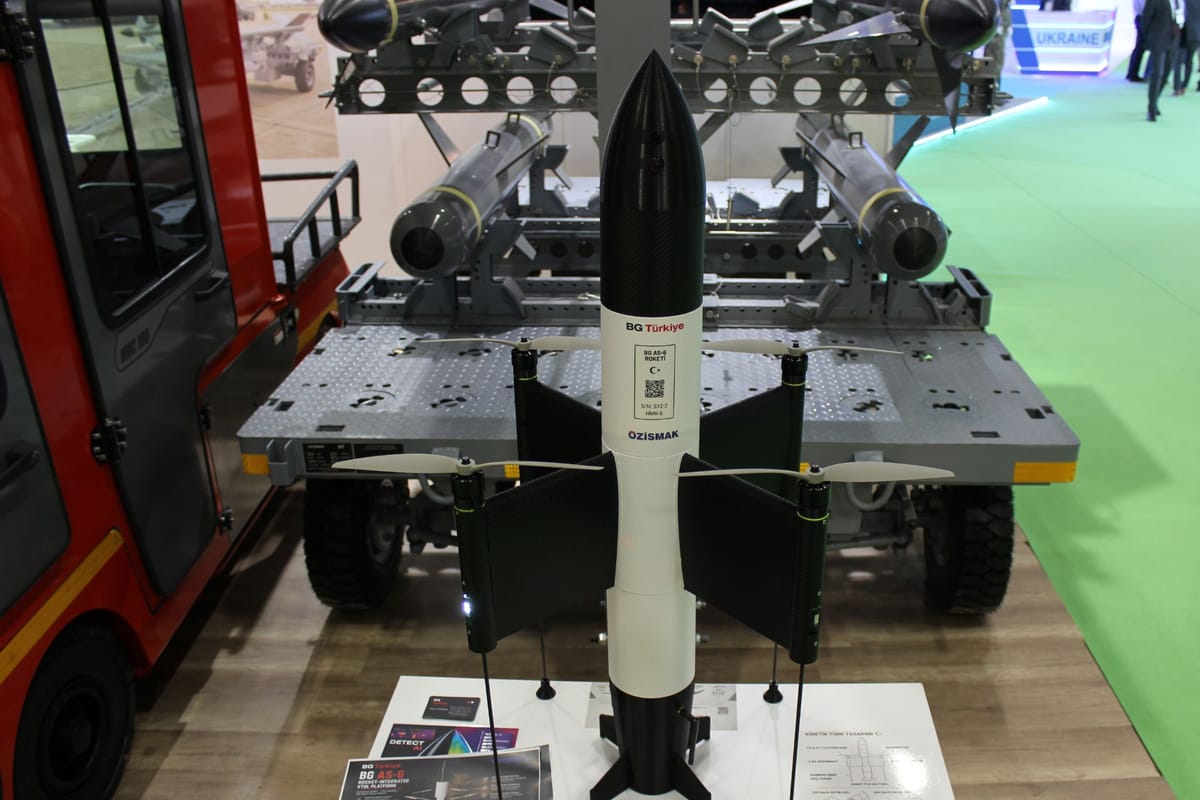
Türkiye is enhancing its military capabilities with the introduction of advanced technologies that could reshape its role within NATO. The unveiling of the BG AS-6 VTOL drone and the CİDA NLOS missile marks significant advancements in both tactical and long-range warfare, positioning Türkiye as a competitive player in NATO's defense landscape.
The BG AS-6 VTOL Drone
The BG AS-6 drone is set to expand competition in NATO's tactical UAV markets, integrating advanced features that make it suitable for contested combat zones. Key attributes of the BG AS-6 include:
- VTOL Mobility: The drone’s vertical take-off and landing capabilities enhance operational flexibility.
- Swarm Networking: This feature allows for coordinated operations among multiple drones, improving situational awareness and tactical effectiveness.
- Anti-Jamming Systems: These systems are crucial for maintaining communication and control in environments where electronic warfare may be present.
With these capabilities, the BG AS-6 is positioned to meet the evolving demands of modern warfare, potentially impacting NATO's strategic operations.
The CİDA NLOS Missile
In a parallel development, Türkiye has unveiled the CİDA NLOS missile, which boasts a range of 55 kilometers. This missile system is designed for multi-platform launch capabilities, enhancing Türkiye’s anti-armor operations within NATO. Notable aspects of the CİDA missile include:
- Range: At 55 kilometers, the CİDA can engage targets effectively while maintaining a safe distance from enemy defenses.
- Multi-Platform Launch Capability: This flexibility allows the missile to be deployed from various platforms, increasing its operational versatility.
The introduction of the CİDA missile strengthens Türkiye's role in long-range precision strike capabilities, emphasizing its commitment to bolstering NATO's collective defense posture.
The Strategic Implications
These advancements raise important questions about the dynamics of NATO’s tactical and strategic capabilities. As Türkiye continues to develop and integrate these systems, analysts will be watching closely to see how they affect NATO's operational frameworks and inter-member collaborations. The implication is that Türkiye is not only enhancing its military prowess but also signaling its readiness to take on a more significant role within NATO's strategic defense initiatives.
Sources: Armyrecognition