U.S. Air Force Advances Multiple Programs Amidst Modernization Efforts

The U.S. Air Force is actively pursuing modernization across several key programs, focusing on both new technologies and the maintenance of existing systems. Recent announcements highlight moves to enhance aerial combat capabilities, nuclear deterrence, and overall readiness, indicating a robust response to evolving global threats.
F-16G Proposal to Replace Aging Fleet
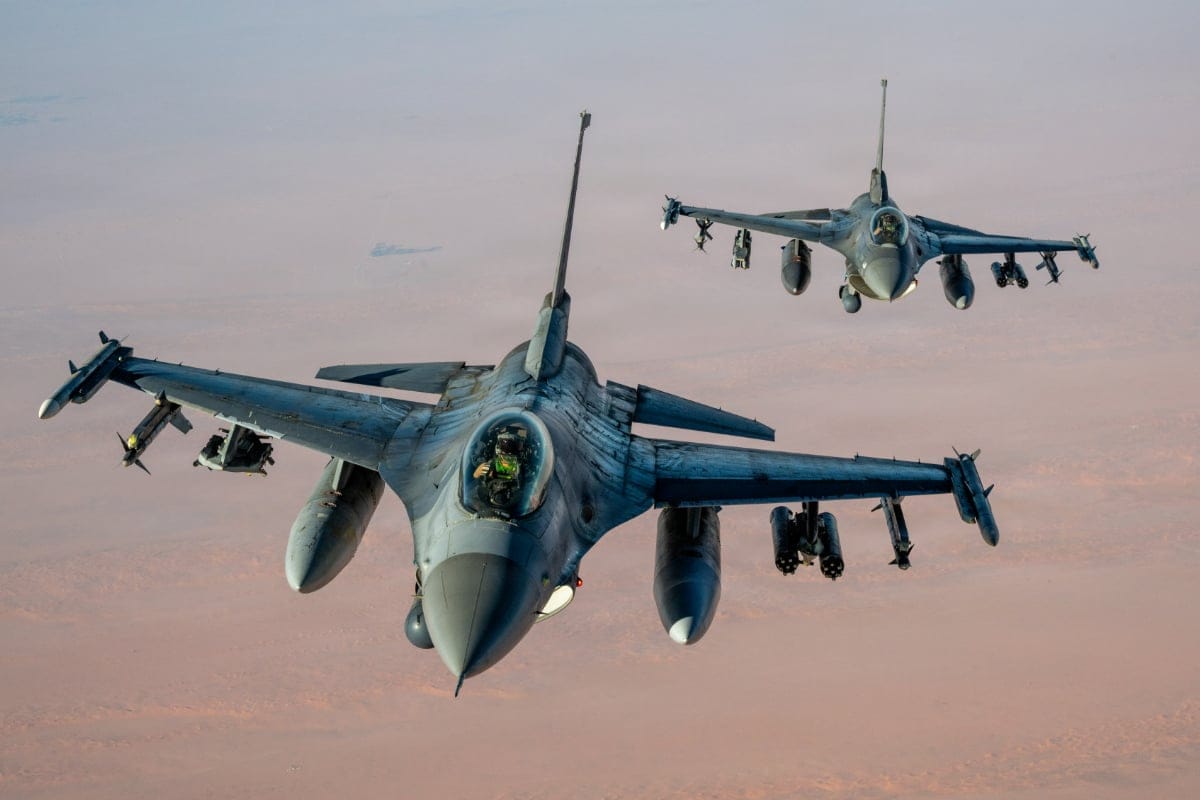
Lockheed Martin is pitching the U.S. Air Force on a new variant of the F-16 fighter, designated the F-16G. This model aims to expedite the replacement of aging Fighting Falcons while production of the F-35 remains constrained. The push for the F-16G is seen as a critical step in maintaining air superiority.
Investment in Vintage Jet Engine Maintenance
In a surprising move, the U.S. Air Force has allocated approximately $148.3 million to keep a jet engine from the 1960s operational. This funding, awarded to Collins Engine Nozzles, underlines the importance of legacy systems in current operations, particularly for training purposes.
New Developments in Nuclear Deterrence
On a strategic front, the U.S. Air Force and Northrop Grumman have successfully assembled an inert version of the Sentinel intercontinental ballistic missile at Vandenberg Space Force Base. This milestone represents a significant advancement in the U.S. nuclear deterrent capabilities, with further steps planned toward operational readiness.
- The AGM-190A Havoc Spear missile has passed combat evaluations and is now cleared for broader deployment.
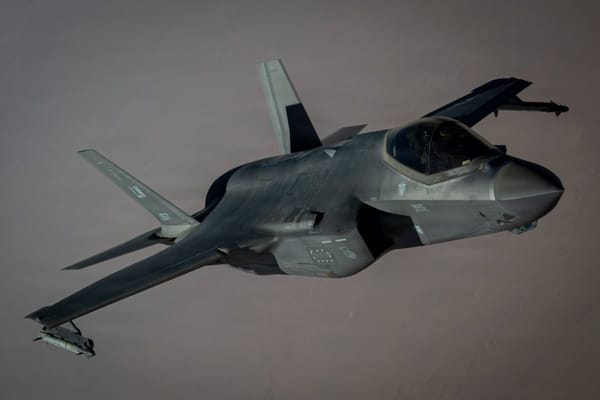
- Recent tests confirmed the combat readiness of the F-35 during operations in the Middle East, despite concerns over readiness rates.
- Modernization milestones have also been achieved for the B-52 Stratofortress, focusing on engine and radar upgrades.
In addition to these advancements, U.S. Air Force Secretary Troy Meink has publicly acknowledged that there are weapons in orbit designed to target adversary satellites. This revelation may provoke reactions from global powers like China and Russia, which could escalate the competition in space.
Furthermore, the U.S. Air Force is re-evaluating its defensive strategies in light of recent incursions into NATO territory by Russian drones and missiles. With these threats in mind, new NATO air defense plans are being implemented, highlighting a proactive approach to safeguarding allied airspace.
Finally, the U.S. Air Force is adapting its strategies for base defense against aerial attacks, as acknowledged by its top officer. This change aims to rectify vulnerabilities that were evident during past conflicts, including those against Iran.
Sources: Defence-Blog, Twz, Defensenews, Defenseone, and Thedefensepost
Edited by Daniel Vazdar, Editor. How DEFCROS News reports, sources and corrects.