U.S. Air Force Enhances Missile Warning Systems and Pursues Balloon Technology

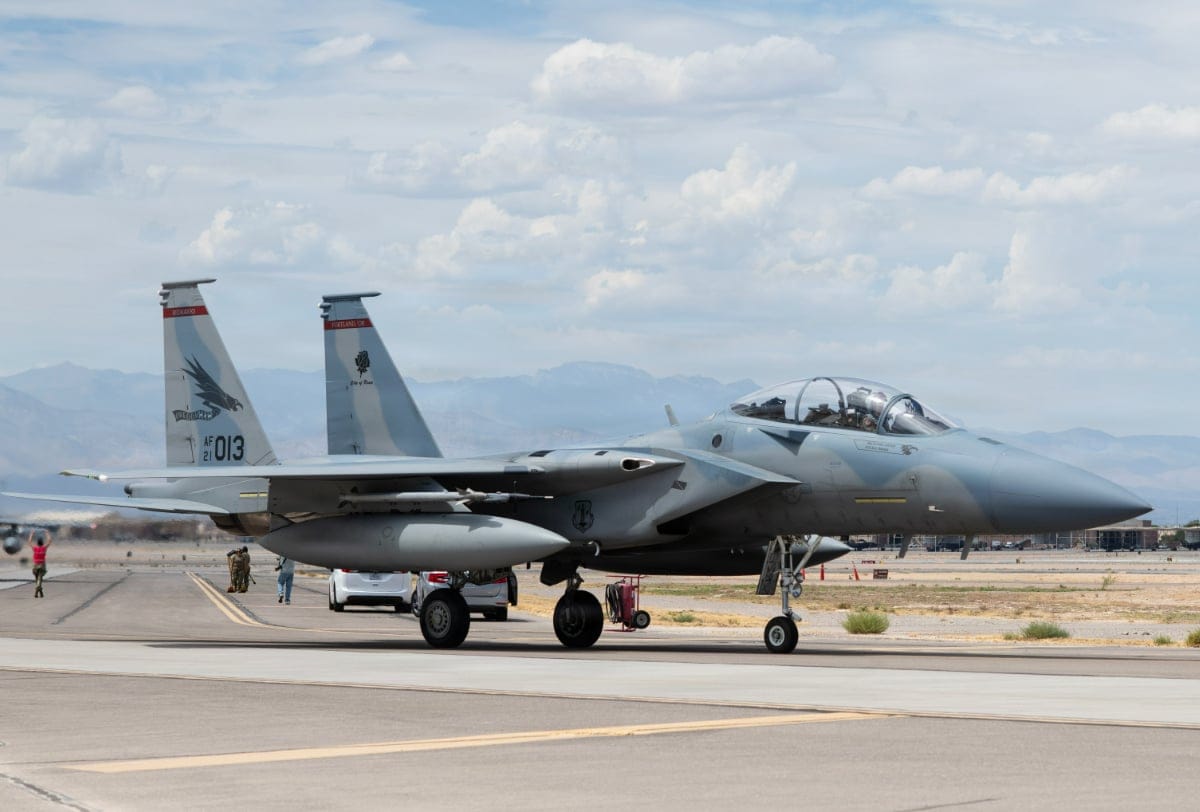
The U.S. Air Force is making strides in both aircraft defense capabilities and innovative surveillance technology. Recent developments include efforts to upgrade missile warning systems for the F-15EX Eagle II and a substantial investment in a high-altitude balloon project.
Upgrading F-15EX Missile Warning Systems
In a notable move, the U.S. Air Force is actively seeking an advanced missile warning system for the F-15EX. This initiative aims to equip crews with reliable alerts when heat-seeking missiles are fired at them. The Air Force is focused on deploying a system that has already proven effective on other military aircraft, ensuring swift integration into the F-15EX fleet.
- The F-15EX's design accommodates such systems, making their integration both feasible and timely.
- The decision to pursue this upgrade comes as the absence of a missile warning system has become increasingly evident.
This enhancement is expected to significantly improve crew safety and operational effectiveness in combat scenarios.
Investment in High-Altitude Balloon Technology
In a separate but equally important development, the U.S. Air Force has awarded Aerostar a contract worth $64.4 million for a high-altitude balloon project known as Swamp Gas. The contract focuses on the rapid development of a "minimum viable product" prototype, addressing an urgent requirement for high-altitude surveillance capabilities.
- This project underscores the Air Force's commitment to leveraging alternative technologies for intelligence gathering.
- Quick prototyping aims to fulfill immediate operational needs, reflecting the Air Force's agile response to evolving security challenges.
The initiative signals a shift towards innovative solutions in aerial surveillance, potentially expanding the scope of operational capabilities.
International Developments in Military Aviation
On the global front, Embraer has delivered the first C-390 Millennium multi-mission aircraft to the Uzbekistan Air Force, marking a significant milestone in international defense partnerships. Additionally, the Turkish Air Force has welcomed the first two Hürkuş-II next-generation basic trainer aircraft into service, illustrating continued advancements in indigenous military aviation capabilities.
These aircraft deliveries reflect a broader trend of nations enhancing their air forces with modern, versatile platforms, indicative of ongoing investments in military readiness and operational capability across different regions.
Sources: Defence-Blog, Edrmagazine, Twz, Thedefensepost, Air & Space Forces Magazine, Aero-News Network, and Air Force TImes
Edited by Daniel Vazdar, Editor. How DEFCROS News reports, sources and corrects.