U.S. Air Force Expands Uncrewed Fighter Fleet and Surveillance Capabilities

The U.S. Air Force has made significant strides in modernizing its combat and surveillance capabilities with recent developments in uncrewed aircraft and advanced drones. This shift marks a strategic evolution in air warfare, emphasizing collaborative and autonomous systems alongside traditional manned platforms.
Introduction of Collaborative Combat Aircraft
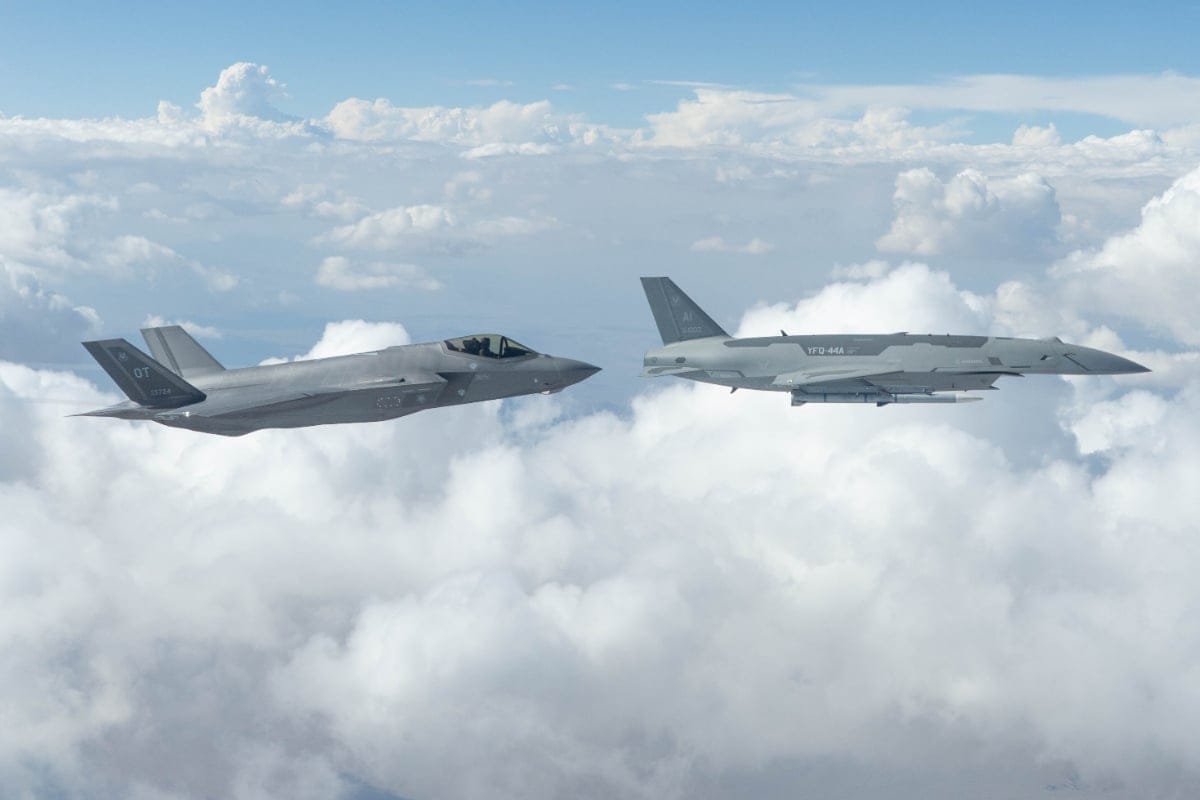
The U.S. Air Force has officially received its first two Collaborative Combat Aircraft, designed to operate alongside piloted fighter jets. Delivered by Anduril and stationed at Creech Air Force Base in Nevada, these uncrewed jets aim to enhance the operational effectiveness of fighter pilots by providing additional support and situational awareness during missions.
Advancements in Surveillance Technology
In parallel, the Air Force has expanded its partnership with DZYNE Technologies, increasing the value of their contract for operational testing of the ULTRA drone. This glider-like surveillance drone boasts an impressive endurance, capable of remaining airborne for over three days, thus providing extended reconnaissance capabilities in various operational scenarios.
- First two Collaborative Combat Aircraft delivered to the U.S. Air Force.
- Operational testing of the ULTRA surveillance drone significantly enhanced.
- Focus on integrating uncrewed systems into existing air combat strategies.
These advancements highlight the U.S. Air Force's commitment to leveraging technology in operational environments. As new capabilities are introduced, the military is also addressing potential vulnerabilities. The Air Force has engaged Finch AI to uncover hidden foreign ties in the defense supply chain, aiming to mitigate risks associated with foreign influence and dependencies.
International Developments in Fighter Aircraft
Meanwhile, Canada has successfully completed the maiden flight of its first F-35A fighter jet, which is set to be designated CF-35A upon entering service. This development signifies Canada's growing capabilities in advanced air combat technology.
On the other side of the globe, South Korea celebrated the acceptance of its first mass-produced KF-21 Boramae fighter jet, further showcasing its commitment to enhancing its national defense through indigenous aircraft production.
Russia, too, continues to advance its military capabilities, recently delivering a batch of upgraded Su-57 stealth fighters. These jets feature new onboard systems and an expanded set of weapon options, reflecting ongoing enhancements to their air force capabilities.
Industry Collaborations and Innovations
In the realm of defense industrial collaboration, Lockheed Martin has received its initial shipment of critical parts for Patriot interceptors from General Motors, achieved in an extraordinary 22-day turnaround. This rapid progress underscores the importance of supply chain efficiency in modern defense procurement.
Turkey has also made strides in its defense sector by certifying a military training aircraft as airworthy under local authorities, marking a significant milestone in national control over military aircraft certification.
The U.S. Air Force is further expanding its infrastructure with a new $13.7 million weapons facility at Whiteman Air Force Base, which is set to support the upcoming B-21 Raider, enhancing its strategic capabilities.
As these developments unfold, the landscape of military aviation is rapidly evolving, driven by technological innovation and international collaborations.
Sources: Defence-Blog, Defensenews, Thedefensepost, Unmanned Systems Technology, stripes.com, The SOFX Report, and TWZ
Edited by Daniel Vazdar, Editor. How DEFCROS News reports, sources and corrects.