U.S. Air Force Pursues Software Support for AC-130J, C-17A Lands in Moscow

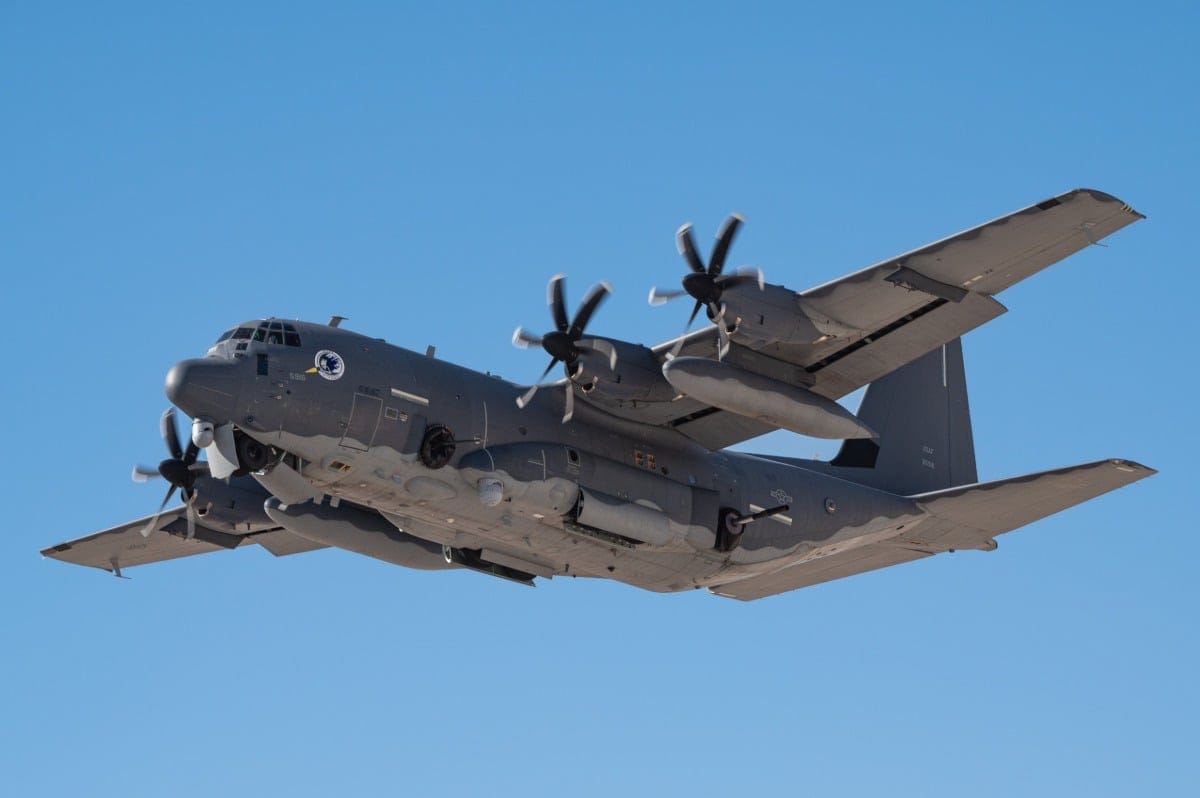
The U.S. Air Force is taking steps to ensure the operational readiness of its AC-130J gunship's surveillance and targeting capabilities. Concurrently, an unexpected flight by a U.S. Air Force C-17A Globemaster III raised eyebrows as it landed in Moscow on the same day, August 25. This duality of actions highlights the complexities of U.S. military operations and international relations in a dynamic security environment.
AC-130J Software Maintenance
The U.S. Air Force is actively seeking a contractor to provide ongoing support for the key surveillance and targeting software used in the AC-130J. As noted in a notice posted on the federal government's main contracting website, the Air Force aims to keep this critical software running and up to date. This initiative reflects the military's commitment to maintaining the effectiveness of its combat systems, especially in an era of evolving threats.
- The AC-130J is a heavily armed gunship primarily used for close air support.
- Software maintenance plays a vital role in ensuring operational capabilities and mission success.
- The request for contractor support emphasizes the need for continuous technological advancement.
By securing a reliable partner for software maintenance, the Air Force aims to bolster the AC-130J's combat effectiveness in various operational contexts.
C-17A Flight to Moscow
In a separate development, a U.S. Air Force C-17A, operating under the callsign REACH4555, completed a flight from Riga, Latvia, to Vnukovo International Airport near Moscow on August 25. While the reason for this landing has not been disclosed, it raises questions about the nature of U.S. military presence and operations in the region.
Key points of interest regarding this flight include:
- The C-17A is a large military transport aircraft capable of rapid strategic airlift.
- Landing in Moscow could signal logistical support or diplomatic engagement.
- No official explanation has been provided, contributing to speculation over the flight's purpose.
The implications of this flight could resonate in both military strategy and diplomatic circles, suggesting a multifaceted approach to U.S. operations in Europe and its engagement with Russia.
Together, these developments underscore the ongoing need for technological readiness in military operations while navigating the intricate landscape of international relations.
Sources: Defence-Blog, Zona Militar, TWZ, Interesting Engineering, and Air & Space Forces Magazine
Edited by Daniel Vazdar, Editor. How DEFCROS News reports, sources and corrects.