U.S. and Polish Combat Engineers Enhance Mine Warfare Capabilities on NATO Eastern Flank

Joint Training Exercises for Enhanced Readiness
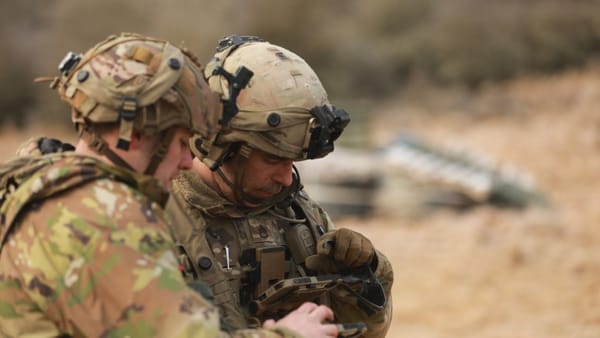
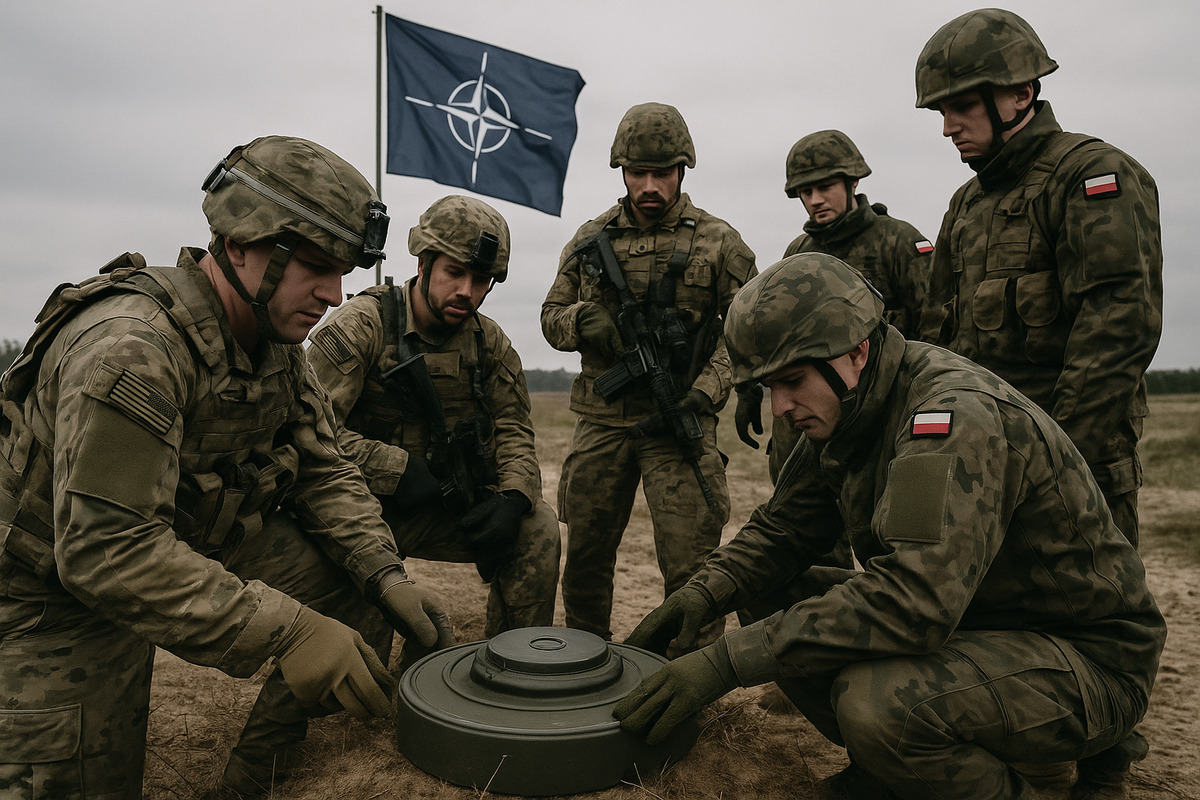
U.S. and Polish combat engineers recently participated in joint training exercises focused on mine warfare and mobility skills aimed at bolstering NATO's operational readiness on the eastern flank. The training, which took place in Poland, highlighted the commitment of both nations to improve their collective capabilities in response to evolving security challenges in the region. This collaboration is a crucial element of NATO's strategy to ensure the preparedness of its member states in the face of potential threats.
The exercises involved a variety of scenarios designed to enhance the participants' proficiency in detecting, clearing, and managing mines. By engaging in these activities, the combat engineers not only refined their technical skills but also strengthened their interoperability, which is vital for effective joint operations. Furthermore, this training serves as a demonstration of NATO's ongoing efforts to uphold a high level of readiness, especially in areas that could be vulnerable to aggression.
Strategic Implications for NATO's Eastern Flank
The ongoing cooperation between U.S. and Polish forces underscores a strategic focus on enhancing deterrence in Eastern Europe. With heightened tensions in the region, ensuring that NATO forces can operate effectively in contested environments is paramount. The emphasis on mine warfare training reflects the recognition of its critical role in modern conflict scenarios, where mobility and the ability to navigate heavily fortified areas can determine the outcome of engagements.
This training initiative not only strengthens bilateral ties but also reinforces NATO's collective defense posture. As global security dynamics continue to shift, the implications of such exercises could extend beyond immediate tactical advantages, potentially influencing broader NATO strategies and defense policies. Analysts will be watching how these developments might affect NATO's operational plans and response mechanisms to emerging threats in the coming years.
Sources: Armyrecognition, DVIDS, Atlantic Council, The National Interest, and Defence Industry Europe