U.S. Army Advances Future Combat Vehicles and Robotics Integration

The U.S. Army is taking significant strides in modernizing its combat vehicle fleet and enhancing robotic warfare capabilities, with multiple initiatives underway to replace aging systems and integrate cutting-edge technologies. This effort includes the delivery of competing prototypes for the next-generation infantry fighting vehicle and the expansion of versatile unmanned ground systems.
New Prototypes for Bradley Replacement
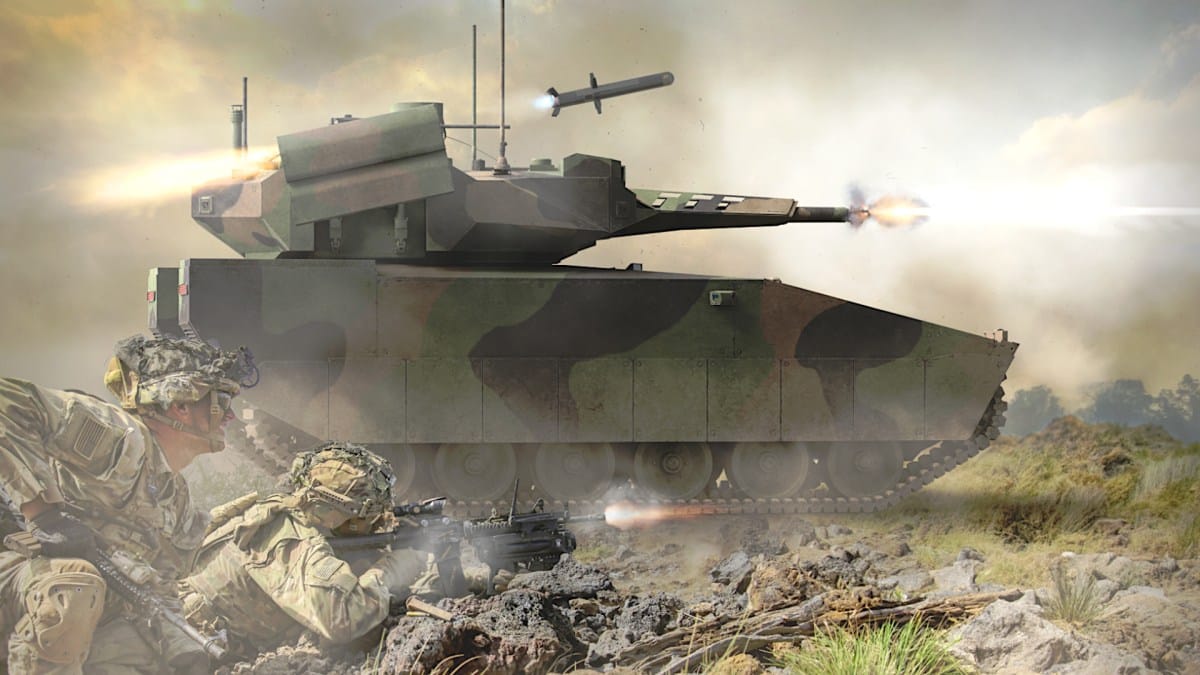
American Rheinmetall and General Dynamics Land Systems have delivered prototypes for the Army's future XM30 Mechanized Infantry Combat Vehicle. This competition aims to determine which company will provide the next generation of vehicles to replace the Bradley, which has been in service for several decades.
The General Dynamics XM30 Wolf prototype has already entered testing at Aberdeen, showcasing advancements in lethality, protection, and digital integration. As the Army evaluates these prototypes, it seeks to enhance operational effectiveness in various combat scenarios.
Expanding Air Defense Capabilities
In parallel with the vehicle modernization efforts, the Army is also actively expanding its search for replacements for the Stinger surface-to-air missile. Currently, Lockheed and Raytheon are developing competing designs, but the Army plans to test additional options next year, reflecting a commitment to ensuring robust air defense capabilities against evolving threats.
Integration of Robotics in Armored Warfare
The U.S. Army is exploring innovative ways to integrate unmanned systems into its armored forces. Recent tests have shown the potential of FireAnt unmanned ground vehicles (UGVs) when deployed with the M2A4 Bradley, effectively using the vehicle as a "mothership" for drone swarms. This capability could significantly reshape combined-arms warfare by enhancing situational awareness and operational flexibility.
- Bradley-Carried FireAnt UGVs are being tested for swarm deployment.
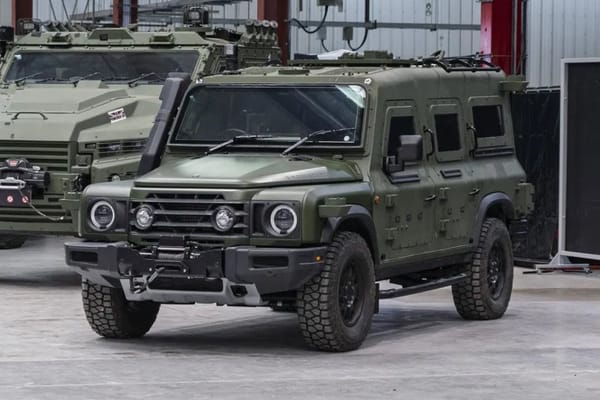
- The Army's Infantry Squad Vehicle fleet is expanding to 11,582 units to improve mobility and survivability.
- These initiatives reflect a proactive approach to drone-era warfare.
The increase in the Infantry Squad Vehicle fleet aims to bolster infantry units' responsiveness against threats posed by drones and precision-guided munitions.
As these programs develop, the Army's focus on integrating advanced technologies and robotics into its combat systems underscores a strategic shift towards a more versatile and resilient force capable of addressing contemporary and future battlefield challenges.
Sources: Twz, Armyrecognition, and Thedefensepost
Edited by Daniel Vazdar, Editor. How DEFCROS News reports, sources and corrects.