U.S. Army and Air Force Expand Drone Capabilities Through Recent Testing

The U.S. military is ramping up its drone capabilities, with recent tests conducted by both the Army and the Air Force showcasing innovative technologies aimed at enhancing operational efficiency and safety. These advancements are being closely monitored by allied nations, reflecting a strategic emphasis on integrating unmanned systems into defense operations.
Micro-High-Altitude Balloons and APOLLO-R Drones in Japan
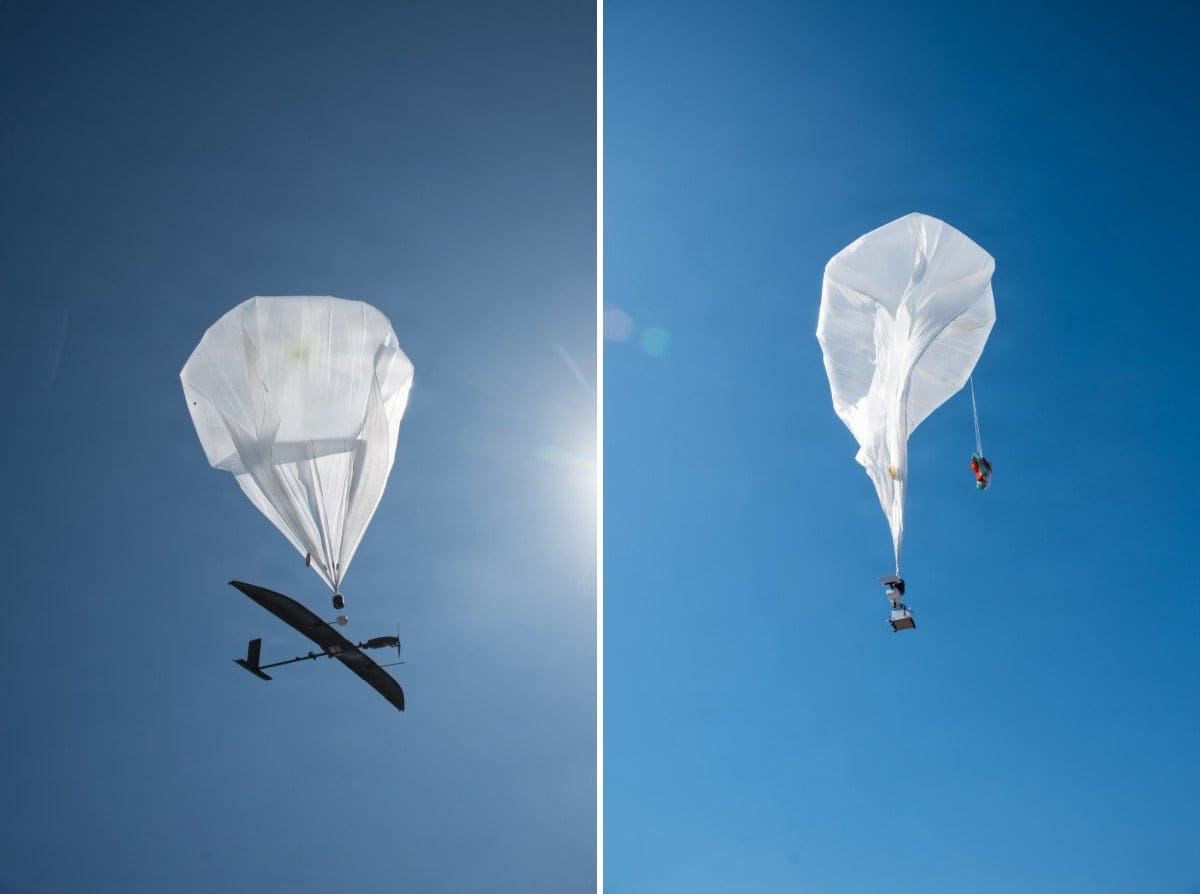
During Exercise Orient Shield 26, U.S. Army soldiers launched micro-High-Altitude Balloons at the Yausubetsu Training Area in Hokkaido, Japan, on September 18. Among these balloons was one carrying an APOLLO-R drone. This demonstration attracted observers from Japan, the United Kingdom, and Australia, highlighting a collaborative approach to modern military exercises and the potential for shared technology in joint operations.
Runway Damage Assessments via Drones
The U.S. Air Force is exploring the deployment of small drones for assessing runway damage. Officers at the Air Force Institute of Technology (AFIT) are conducting tests to determine the feasibility of using these drones to scout damaged airfields prior to sending engineers into potentially hazardous environments. Traditionally, this task requires personnel on site, indicating a significant shift towards automation in maintenance and safety protocols.
- Enhanced safety for personnel by reducing exposure to damaged environments.
- Potential for quicker assessment times, leading to faster repairs.
- Increased operational readiness by streamlining airfield evaluations.
Counter-Drone Technology Development
In a separate initiative, the U.S. Army tested a low-cost interceptor missile designed to combat drone threats. This test occurred at Yuma Proving Ground as part of a homeland-defense experiment involving U.S. Northern Command, NORAD, and the Pentagon's Joint Interagency Task Force 401. The missile was loaded into an eight-shot launcher, showcasing a tactical response to the rising concerns over drone usage in conflict zones and potential threats to U.S. airspace.
Furthermore, the Army has been experimenting with tethered drones mounted on light squad vehicles at Fort Benning. These drones aim to extend the observation capabilities of small infantry units, ensuring enhanced communication even in challenging terrains. This approach not only improves situational awareness but also aids in maintaining radio connectivity in remote areas.
The combination of these initiatives reflects a broader trend in military strategy where unmanned systems play an increasingly vital role in both offensive and defensive operations. As the U.S. military continues to innovate, these developments may significantly impact future engagements and operational planning.
Sources: Defence-Blog
Edited by Daniel Vazdar, Editor. How DEFCROS News reports, sources and corrects.