U.S. Army and Allies Advance Drone Technologies Amid Increased Defense Investments

The defense landscape is evolving rapidly, with significant advancements in drone technology from the U.S. Army and allied nations. Recent tests and investments highlight the strategic shift towards enhancing aerial capabilities through innovative unmanned systems. As militaries refine their operations, the integration of drones into combat and surveillance roles becomes increasingly pivotal.
U.S. Army’s Missile-Armed Drone Test
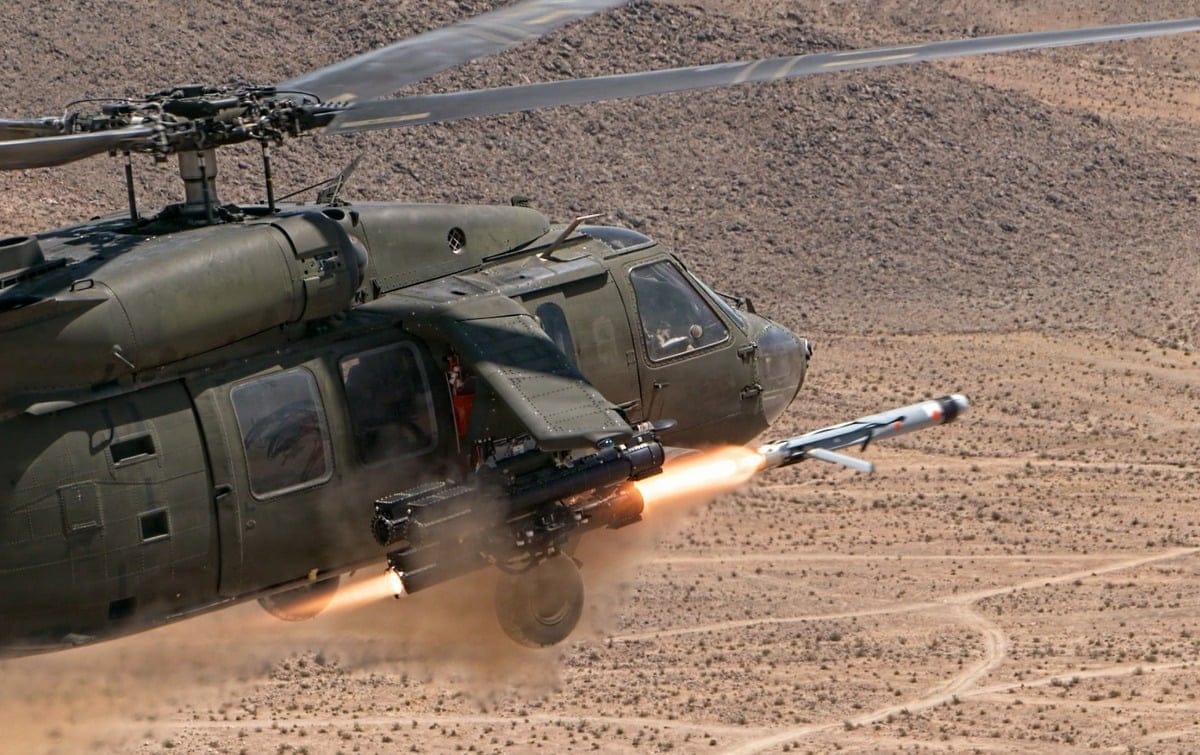
The U.S. Army has successfully demonstrated its missile-armed drone capabilities during Project Convergence-Capstone 6, a large-scale experimentation event held at Fort Irwin, California. In this trial, Army Aviation executed a networked strike sequence utilizing two reconnaissance drones, which efficiently located and identified a potential threat before the strike was initiated. This development underscores the Army's commitment to integrating advanced drone technologies into its operational framework.
Robotic Innovations from the Royal Navy
The Royal Navy is also making strides in unmanned technology with the successful test of a robotic boat that can autonomously launch a drone. This operation, conducted without any personnel on board either the boat or the drone, represents a potential shift in how maritime surveillance is conducted. The innovation, developed by British maritime robotics company ACUA, could significantly enhance the Royal Navy's monitoring capabilities over its waters.
France’s Hypersonic Drone Engine Development
In parallel, France is pushing the envelope in aerospace technology with the successful testing of a reusable hypersonic drone engine. The French rocket engine was ignited 21 times consecutively, demonstrating not only performance but also reusability. This advancement is crucial for the aerospace startup involved, potentially paving the way for more reliable and cost-effective hypersonic flight solutions.
Moreover, the U.S. Army is investing $80 million to develop electric motors for drones domestically. The decision emphasizes a strategic pivot towards self-sufficiency in critical technologies, aiming to enhance the performance and reliability of the U.S. drone fleet during crises. The focus on smaller, efficient motors could play a crucial role in the operational capabilities of future drone missions.
- U.S. Army: Missile-armed drone capabilities demonstrated at Project Convergence-Capstone 6.
- Royal Navy: Unmanned boat successfully launches drone autonomously.
- France: Successful testing of reusable hypersonic drone engine.
- Investment: U.S. Army allocates $80 million for domestic drone motor production.
As these developments unfold, the focus on drone technology reveals a critical trend in modern military strategy. Countries are increasingly recognizing the necessity of advanced unmanned systems to maintain operational superiority. The implications of these advancements will likely shape future defense policies and military engagements.
Sources: Defence-Blog, Defense Update, Defence Industry Europe, Arab News, and UK Defence Journal
Edited by Daniel Vazdar, Editor. How DEFCROS News reports, sources and corrects.