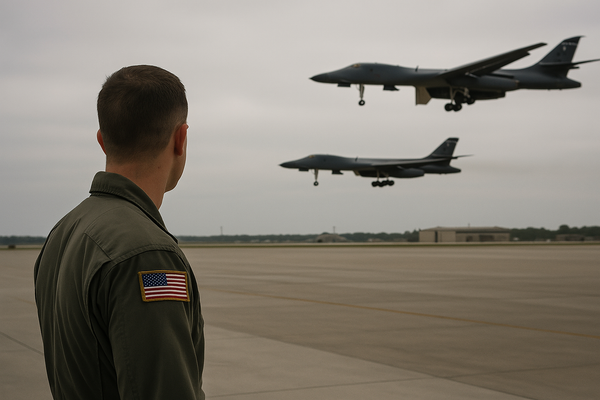
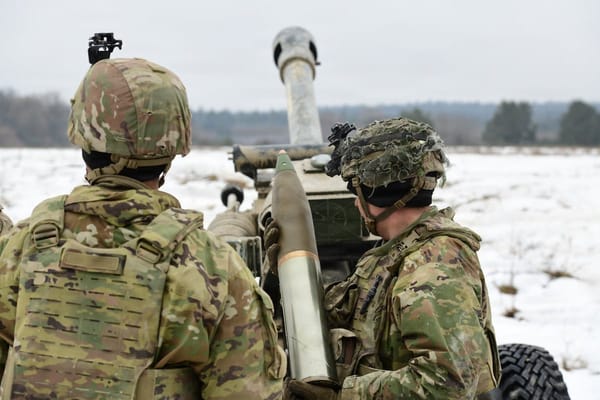
U.S. Army Cavalry Unit Transforms Into Airborne Assault Force for Arctic and Indo-Pacific Missions

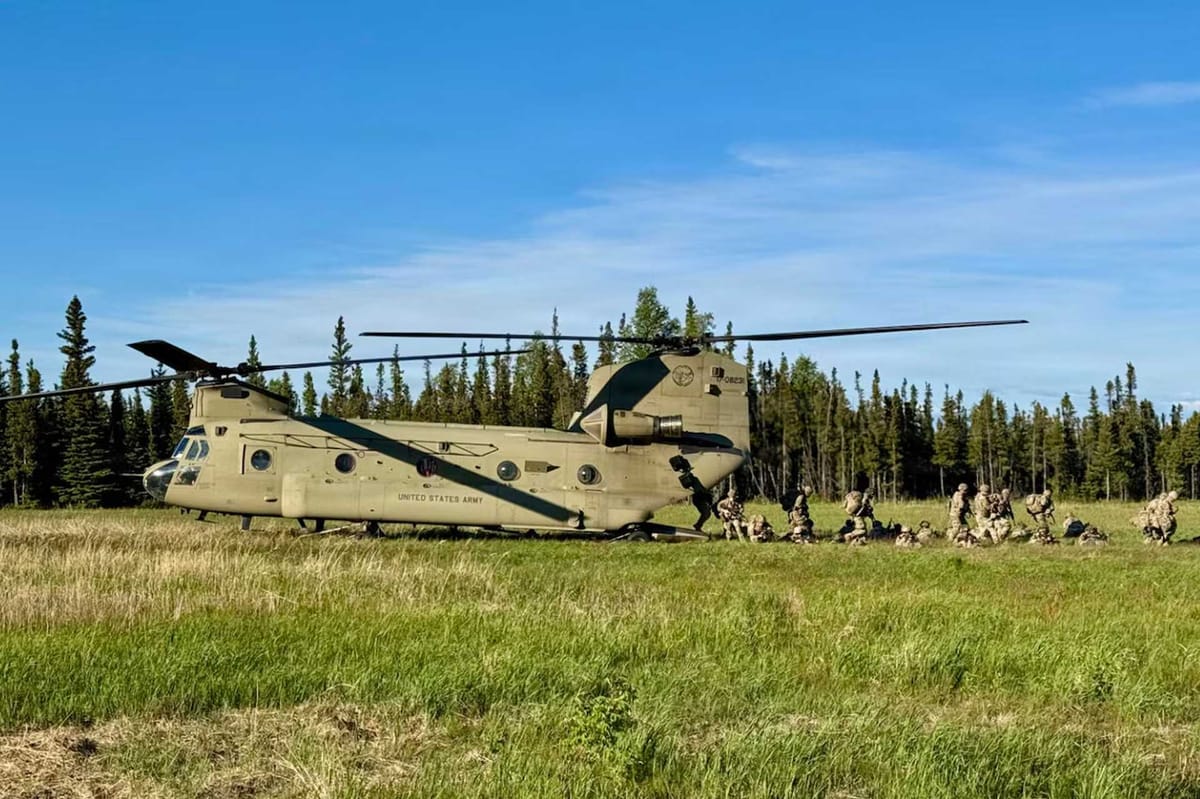
Transformation of Forces
The U.S. Army has successfully restructured a cavalry unit into an airborne assault force capable of executing rapid-entry operations in the Arctic and Indo-Pacific regions. This transformation highlights the Army's commitment to adapting its capabilities to meet the evolving security challenges in these critical theaters. The decision reflects a strategic pivot aimed at enhancing operational flexibility and responsiveness to potential threats.
This transformation comes in a context where military readiness is paramount. The Arctic has been increasingly viewed as a theater of competition, with both strategic and economic implications due to its melting ice and emerging shipping routes. Similarly, the Indo-Pacific remains a focal point of U.S. defense strategy, particularly in light of tensions involving regional powers. By equipping a cavalry unit with airborne assault capabilities, the Army is positioning itself to engage more effectively in both areas, potentially deterring adversarial actions through increased presence and rapid deployment options.
Why It Matters
The implications of this transformation extend beyond immediate operational capabilities. It raises questions about the future structure and composition of U.S. forces as they adapt to diverse environments. Analysts will be watching how this shift influences joint operations with allied forces, particularly in regions where air mobility and rapid response are critical. Enhanced capabilities in the Arctic and Indo-Pacific could signal a more aggressive posture towards adversaries and contribute to U.S. deterrence strategies in these vital areas.
Sources: Armyrecognition, army.mil, DVIDS, af.mil, and U.S. Department of War (.gov)