U.S. Army Conducts Successful Tests of AeroVironment's LOCUST Laser Drone Defense System

Testing Details and Outcomes
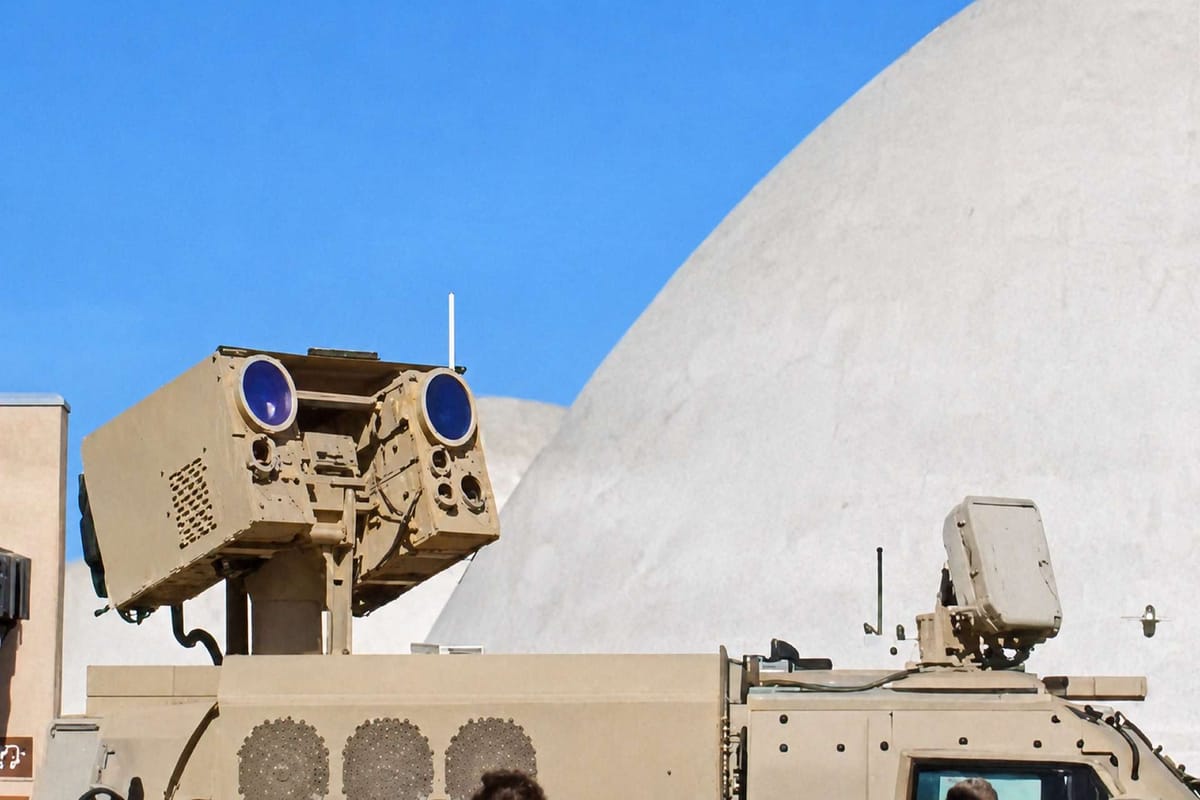
The U.S. Army has successfully tested AeroVironment’s LOCUST laser weapon system, which was designed for drone defense within U.S. airspace. This test, conducted at White Sands Missile Range, received support from the Federal Aviation Administration (FAA) and demonstrated the capability to down drones effectively. The LOCUST system represents a significant advancement in aerial defense technology, aiming to secure the homeland against potential drone threats.
Strategic Context and Implications
The testing of the LOCUST system underscores a growing emphasis on innovative air defense solutions in response to increasing concerns about drone incursions. As unmanned aerial vehicles become more accessible and prevalent, the need for robust countermeasures becomes imperative. The Army's collaboration with the FAA during these tests reflects a comprehensive approach to ensuring airspace security, particularly as it pertains to the protection of critical infrastructure and populated areas.
This advancement raises questions about the future role of laser-based technologies in defense strategies. Analysts will be watching how the Army integrates the LOCUST system into broader defense frameworks, particularly in urban environments where the risk of drone misuse is heightened. The implication is that such technologies could redefine airspace security protocols and increase the efficiency of response measures against aerial threats.
In summary, the successful testing of the LOCUST laser drone defense system marks a pivotal step in enhancing U.S. airspace security. As these technologies evolve, they will likely play a crucial role in shaping military and civilian defense strategies against the growing threat of drones.
Sources: Armyrecognition, Army Recognition, autoevolution, Seeking Alpha, and The War Zone