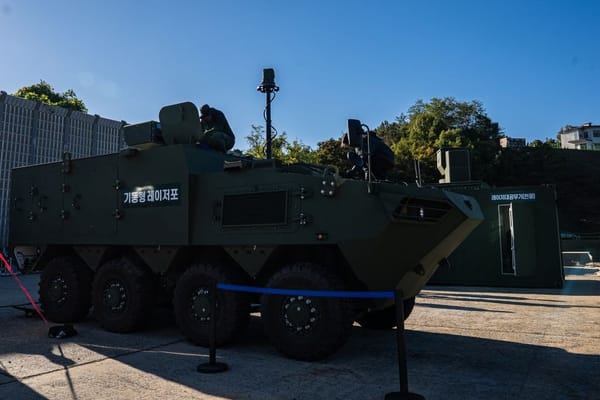
U.S. Army Deploys Counter-Drone Systems and Trials to Address Emerging Threats

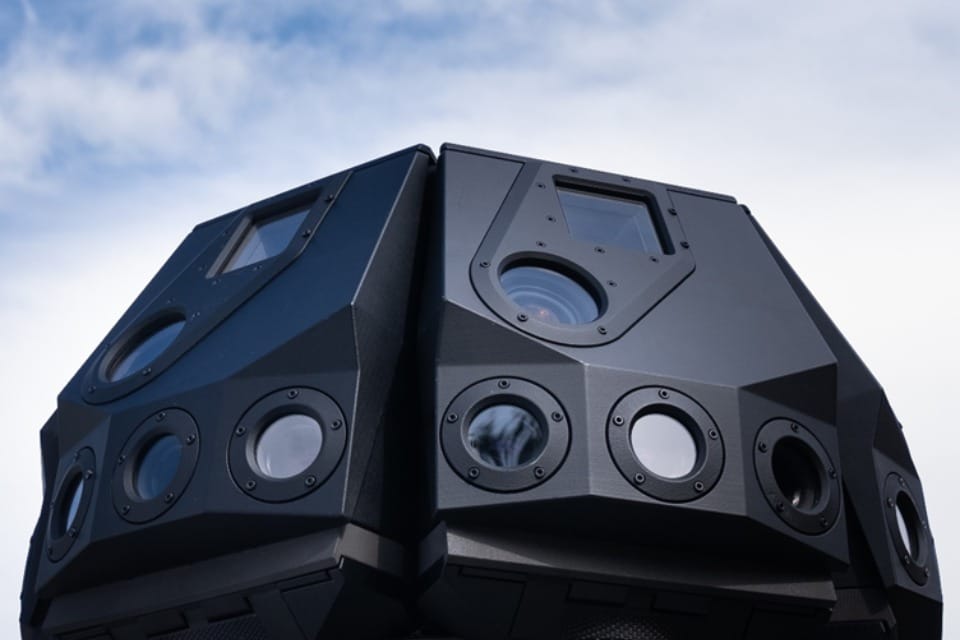
The U.S. Army is bolstering its defenses against drone threats with multiple new initiatives and deployments. These efforts come as the service grapples with evolving aerial threats to its armored formations and artillery units, highlighting a critical need for effective countermeasures in modern warfare.
XM30 Infantry Fighting Vehicle's Vulnerability
The Congressional Research Service has raised concerns about the XM30 Infantry Fighting Vehicle, suggesting it may lack sufficient organic counter-unmanned aerial systems (C-UAS) defenses. As drones and loitering munitions increasingly threaten armored formations, this gap could pose significant risks on the battlefield.
Deployment of Advanced Air Defense Vehicles
To counter these threats, the U.S. Army has deployed the SGT STOUT air defense vehicle in Germany. This system is specifically designed to protect artillery units from drone strikes, thereby preserving their firing tempo and minimizing costly displacement on the battlefield. The deployment aims to enhance the operational resilience of U.S. forces in Europe.
In a related effort, the Army is advancing the Boeing-Anduril Mid-Tier Interceptor as part of the IFPC Second Interceptor competition. This interceptor is focused on countering cruise missiles and drones, ensuring that U.S. forces maintain adequate magazine depth during engagements.
International and Experimental Counter-Drone Initiatives
The U.S. Army has also taken steps to integrate counter-drone defenses with long-range precision fires by deploying the M-LIDS system in India during the Yudh Abhyas 2026 exercise. This marks the first time M-LIDS will be used in such a capacity, reflecting a commitment to improving interoperability and operational effectiveness in joint exercises.
Moreover, the Pentagon has initiated yearlong trials for directed-energy counter-drone systems across five military bases. These trials will assess the effectiveness of laser and microwave technologies for sustained base defense against drones.
- U.S. AeroVironment has secured a $50 million order for the LOCUST laser counter-drone system, marking its first international sale. This capability aims to expand operational counter-drone effectiveness.
- The U.S. Marines have fielded the Tempest counter-UAS vehicle, equipped with Hellfire missiles and RPS-42 radar, to provide mobile defense against Class 2 and 3 drones.
In comparison, the UK Army has recently deployed its first passive drone detection system at a British Army base, showcasing efforts by allied nations to enhance their counter-drone capabilities.
Sources: Armyrecognition, Thedefensepost, Northrop Grumman, and ASDNews
Edited by Daniel Vazdar, Editor. How DEFCROS News reports, sources and corrects.