U.S. Army Enhances Counter-Drone Capabilities with New Systems and Strategies

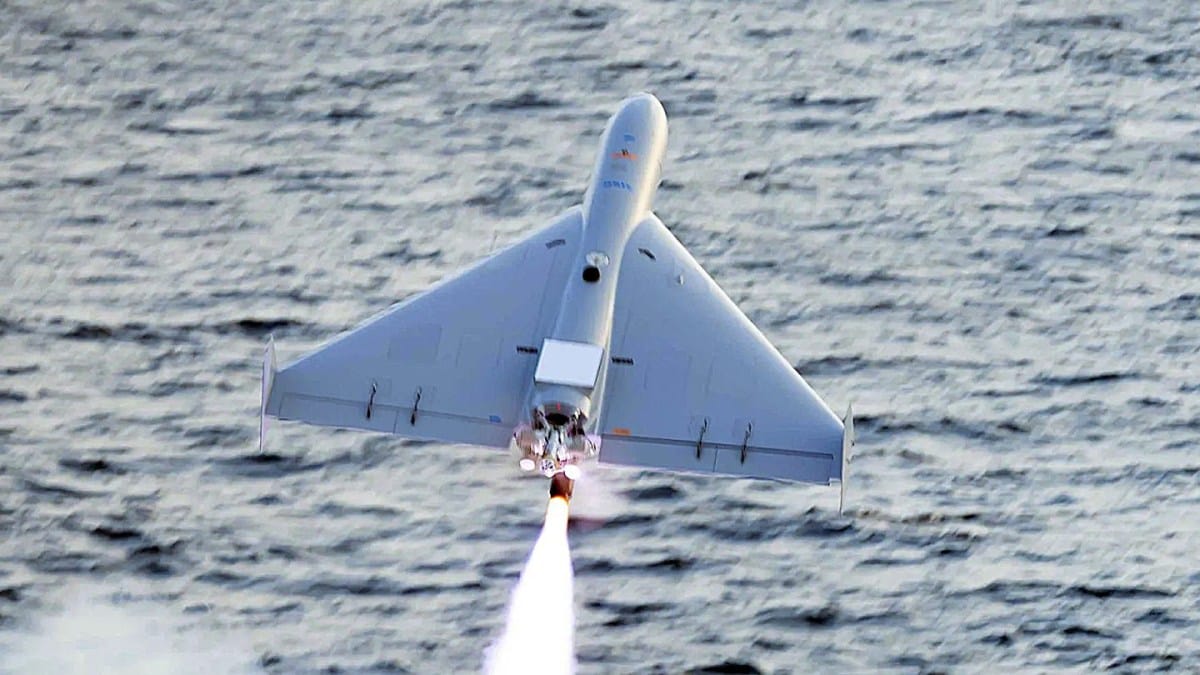
The U.S. Army is advancing its capabilities against emerging threats with the introduction of new technologies and strategic concepts. This includes the recent delivery of counter-drone systems and a focus on employing kamikaze drones in operational settings.
Deployment of LUCAS Kamikaze Drones
The Army's vision for employing long-range, one-way attack drones, known as LUCAS, is taking shape. These drones are intended to target critical assets such as enemy warships and ballistic missile sites. This new approach reflects a tactical shift towards utilizing uncrewed platforms for direct engagement with adversaries.
Innovative Deception Tactics
Drones are also being leveraged for deception operations within the Army's evolving concept of operations. The integration of uncrewed platforms into these strategies is expected to enhance the Army's ability to mislead and confuse adversaries, creating new opportunities on the battlefield.
First VAMPIRE Systems Delivered
In a significant move to bolster its air defense capabilities, the U.S. Army has received its first VAMPIRE counter-drone systems from L3Harris. This delivery is part of an order valued at up to $106 million and marks a critical step in expanding tactical air defense against unmanned threats.
In addition to the VAMPIRE systems, the Army has also fielded its first M2A4E1 Bradley infantry fighting vehicles equipped with Iron Fist Active Protection Systems (APS). These vehicles will boost the Army's armored combat survivability against modern missile and drone threats, reinforcing the overall defense posture.
- Key advancements include:
- Deployment of LUCAS kamikaze drones for long-range strikes.
- Utilization of drones for deceptive operations to mislead enemies.
- Delivery of VAMPIRE counter-drone systems to enhance tactical air defense.
- Introduction of Iron Fist APS-equipped M2A4E1 Bradleys for improved survivability.
These developments signify a comprehensive approach by the Army to adapt to contemporary threats, integrating advanced technologies and innovative strategies into its operational framework. As the Army continues to refine its capabilities, the emphasis on uncrewed platforms and advanced protective systems will likely play a crucial role in future engagements.
Sources: Twz, Armyrecognition, Inside Unmanned Systems, MiGFlug, Center for European Policy Analysis (CEPA), and Council on Foreign Relations
Edited by Daniel Vazdar, Editor. How DEFCROS News reports, sources and corrects.