U.S. Army Enhances Night Warfare Capabilities with $212 Million ENVG-B Goggle Acquisition

Significant Investment in Night Vision Technology
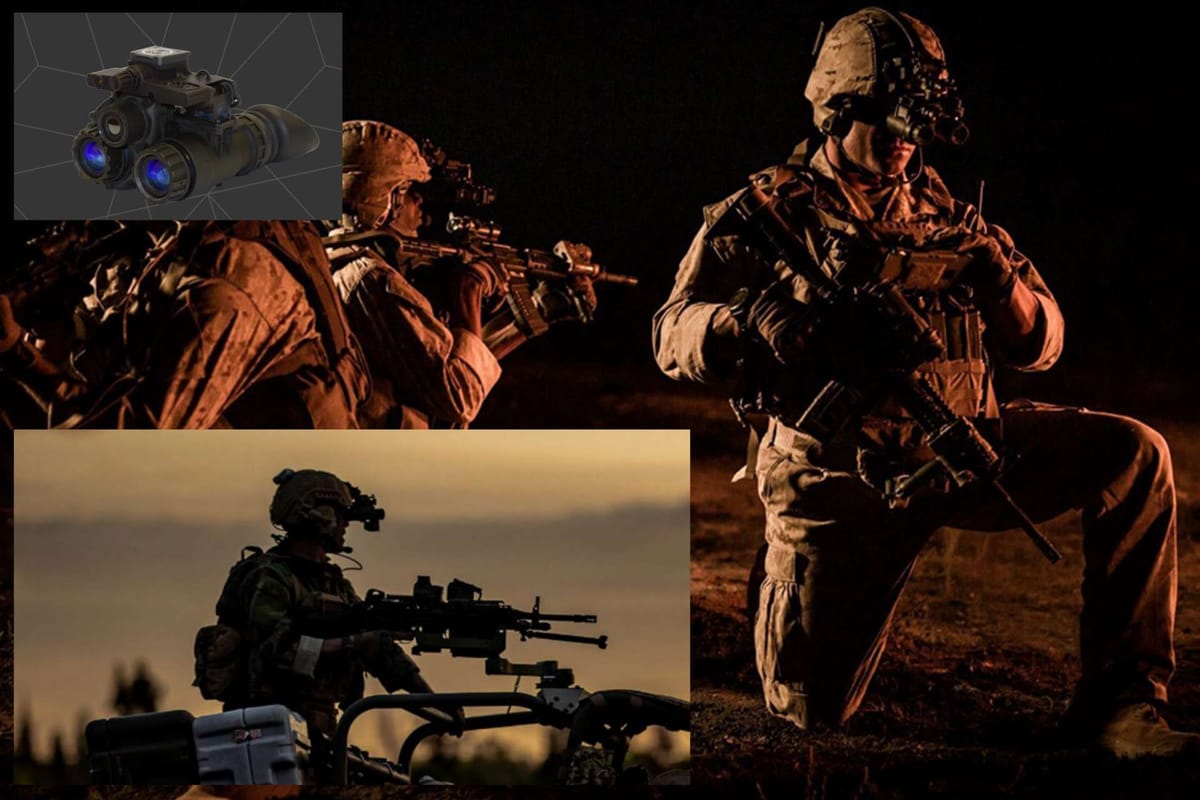
The U.S. Army has committed to a substantial $212 million order for Elbit Systems' ENVG-B night vision goggles, aimed at bolstering its passive targeting and infantry combat capabilities. This acquisition marks a crucial step in enhancing the Army's operational effectiveness during nighttime engagements, addressing the challenges posed by low-visibility conditions.
The ENVG-B goggles are designed to integrate multiple sensor inputs, providing soldiers with enhanced situational awareness and target acquisition capabilities. This order is part of the Army's broader strategy to modernize its equipment and ensure that troops are equipped with the most advanced technologies available. The decision to invest in these goggles reflects a growing recognition of the importance of night operations in contemporary warfare, where effective surveillance and targeting can determine mission success.
Strategic Implications of Enhanced Night Vision Capabilities
As adversaries increasingly adopt tactics that exploit darkness and obscured environments, the Army's focus on improving night vision capabilities is both timely and strategic. The ENVG-B goggles will not only improve individual soldier performance but also enhance unit cohesion and engagement efficiency in complex combat scenarios. This investment underscores a commitment to maintaining technological superiority, particularly in areas where traditional advantages may be mitigated by environmental factors.
This development raises the question of how the integration of advanced night vision systems might influence future military engagements. Analysts will be watching how these enhancements affect operational outcomes and the Army's overall capability to respond to threats in diverse environments. The implications of improved night operations could reshape tactics and strategies employed by both U.S. forces and potential adversaries alike.
Sources: Armyrecognition, Defence Industry Europe, Army Recognition, Task & Purpose, and The Washington Post