U.S. Army Expands Counter-Drone Systems and Interceptor Programs Amid Rising Threats

The U.S. Army is significantly enhancing its defense capabilities in response to increasing drone threats on NATO's eastern front. Recent developments showcase a mix of innovative technologies and a rapid procurement approach aimed at adapting to evolving battlefield dynamics.
Diverse Interceptor Development
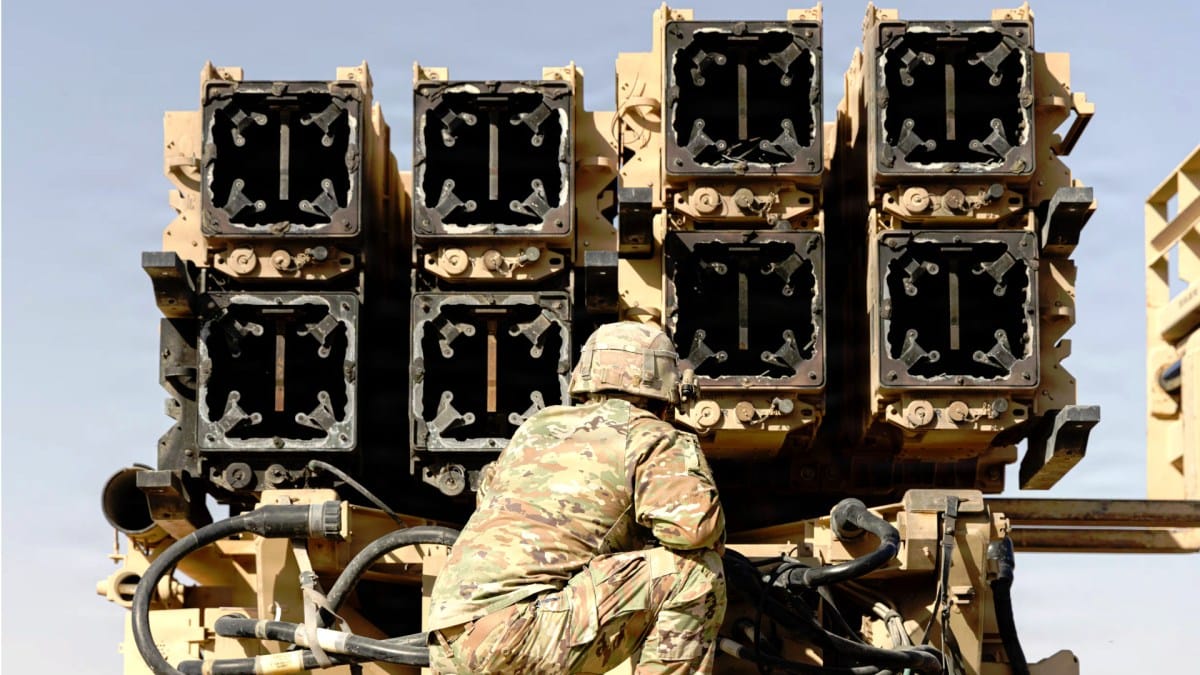
The Army is moving away from a one-size-fits-all approach to air defense systems. Instead, it is pursuing a diverse array of new anti-air interceptors designed for integration with existing launchers and other architectures. This shift reflects an understanding that varied aerial threats require an equally varied defensive response. Notably, the Merops Interceptor Drone has quickly transitioned to a Program of Record in just 142 days, emphasizing the Army's commitment to rapid fielding of emerging capabilities. This low-cost interceptor was hastily deployed to NATO partners following drone incursions, illustrating a proactive stance in addressing aerial threats.
Enhancements to Ground Systems
As part of its broader strategy, the U.S. Army has enhanced Stryker Combat Units stationed along NATO’s Eastern Flank by integrating counter-drone warfare systems. This initiative, known as Project Flytrap, aims to bolster the units' electronic warfare capabilities, enabling them to advance through contested territories more effectively. The Army’s integration of three electronic warfare systems—TRAC, TDK, and Warped Alloy—will enhance its ability to detect and disrupt enemy communications, further solidifying operational effectiveness in complex environments.
- Project Flytrap focuses on counter-drone defenses.
- Integration of electronic warfare systems enhances situational awareness.
- Designed for deployment in contested NATO areas.
Additionally, the U.S. Raid Hunter air defense system has received a significant upgrade with the addition of the Gryphon R1810 radar. This enhancement allows the system to detect drone swarms at longer ranges, thereby improving its capability to guide 50mm ammunition against aerial threats. Such upgrades are vital as the Army prepares for potential large-scale drone attacks.
New Capabilities through Collaboration
Lockheed Martin's HIMARS FLEX is another notable advancement, doubling the missile capacity and introducing PAC-3 air defense options while retaining C-130 transportability. This flexibility is essential for rapid response in dynamic threat environments. Furthermore, GM Defense has expanded its orders for Infantry Squad Vehicles from the initial 649 to nearly 12,000, highlighting a significant ramp-up in ground vehicle capabilities.
In a notable development in interceptor technology, Palladyne AI’s BRAIN edge AI flight computer has been named a finalist in a U.S. Army competition focused on low-cost interceptors. This selection underscores the Army's keen interest in integrating advanced AI technologies into its defense systems, which could enhance precision and operational effectiveness in future engagements.
These developments collectively indicate a robust response to the evolving nature of warfare, particularly concerning drone and electronic threats. The Army's strategic investments and rapid procurement strategies signal a commitment to maintaining a technological edge in defense operations.
Sources: Twz, Armyrecognition, Defensenews, Thedefensepost, Business Insider, Israel Defense, and Time Magazine
Edited by Daniel Vazdar, Editor. How DEFCROS News reports, sources and corrects.