
U.S. Army Expands Missile Air Defense Capabilities in FY2027 Budget

Significant Investment in Air Defense Technology
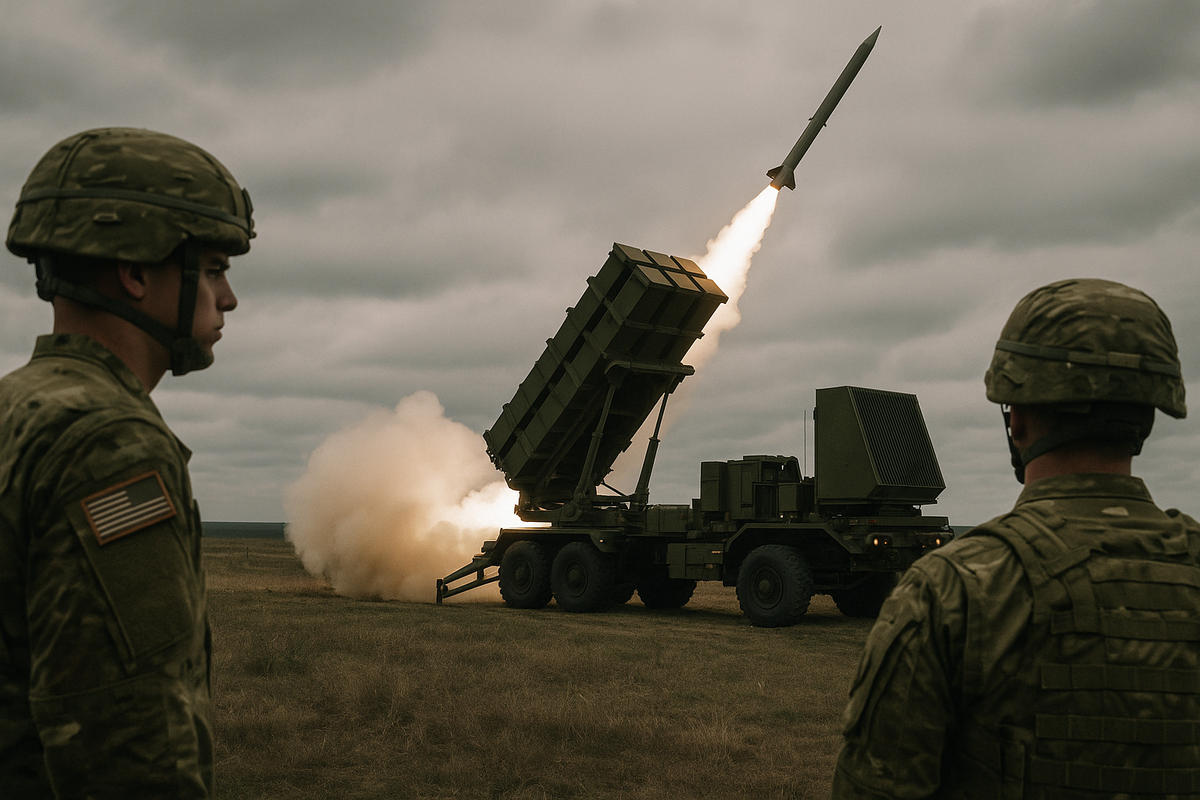
The U.S. Army has announced a substantial enhancement to its missile air defense capabilities as part of the Fiscal Year 2027 budget. This initiative includes an increased allocation for systems such as the Patriot, THAAD (Terminal High Altitude Area Defense), IFPC (Indirect Fire Protection Capability), LTAMDS (Lower Tier Air and Missile Defense Sensor), and M-SHORAD (Mobile Short Range Air Defense). These upgrades aim to counter a range of aerial threats including missiles, drones, rockets, and aircraft.
This strategic investment reflects a growing recognition of evolving threats in modern warfare. As adversaries develop advanced missile technologies and drone capabilities, the U.S. Army’s focus on integrating multiple layers of air defense systems is crucial for maintaining operational superiority. The modernization of air defense systems will enhance the Army's ability to protect critical assets and personnel from a variety of aerial attacks.
Implications for Future Operations
The implications of this budget increase are significant for both current and future military operations. By enhancing its air defense systems, the U.S. Army is positioning itself to effectively address the complexities of contemporary battlefields, where rapid and diverse threats are commonplace. This initiative signals a clear commitment to ensuring that U.S. forces remain prepared and capable in an increasingly challenging global security environment.
Analysts will be watching how these improvements influence joint operations and interoperability with allied forces, particularly in regions where missile threats are prevalent. The emphasis on multi-layered defense systems may also drive further investment and innovation in air defense technologies across the military spectrum.
Sources: Armyrecognition, UNITED24 Media, executivegov.com, The National Law Review, and U.S. Department of War (.gov)